Wallace Ruzvidzo-Herald Reporter
THE Africa Centres for Disease Control and Prevention has backed Zimbabwe and Zambia on their stance regarding the newly established health cooperation framework proposed by the United States.
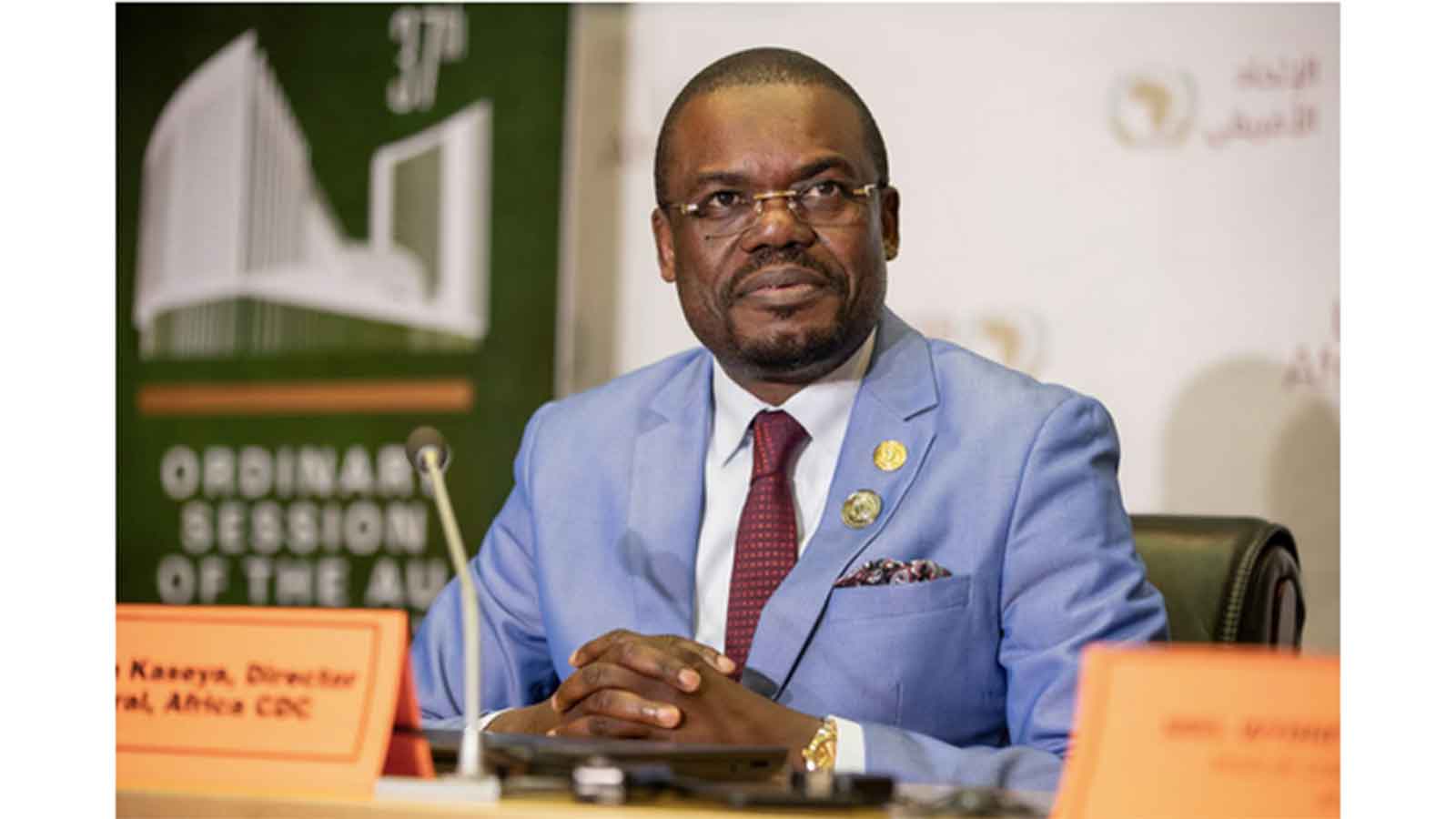
The organisation’s director-general Dr Jean Kaseya told a virtual press conference that major concerns had emerged regarding the agreements the US was negotiating with African nations, which would dictate the future framework for US global health funding.
“There are huge concerns regarding data, regarding pathogen sharing,” he said.
President Mnangagwa directed his administration to immediately terminate negotiations on the proposed health funding Memorandum of Understanding (MoU) under the US America First Global Health Strategy.
The MoU was set to provide considerable health funding estimated at around US$328 million, in exchange for extensive access to sensitive health data from Zimbabwe, including pathogen samples and epidemiological information concerning the country’s citizens.
Zambia is said to have also indicated that it had contested a specific aspect of the agreement.
Dr Kaseya said he had initially welcomed the strategy, believing it would allow African nations to receive funding more directly, while also necessitating their own investment.
However, he chose not to accept an invitation for the Africa CDC to act as an observer in these negotiations, citing his respect for the autonomy of the individual countries involved.
Despite this, he emphasised that the agency had been providing assistance to nations that seek it.
He added that the Africa CDC would remain available to offer guidance if countries still choose to renegotiate their terms with the US and will support them in executing any agreements they make.
“I said to all of my countries, you have full support from Africa CDC. Even if you want to re-negotiate . . . if you want Africa CDC to be there, we’ll be there,” said the Africa CDC director-general.
Various global health advocates have expressed concern regarding the pathogen-sharing provision in these agreements.
The clause requires countries to quickly provide data to the US about pathogens that could potentially lead to epidemics within their borders, in exchange for funding.
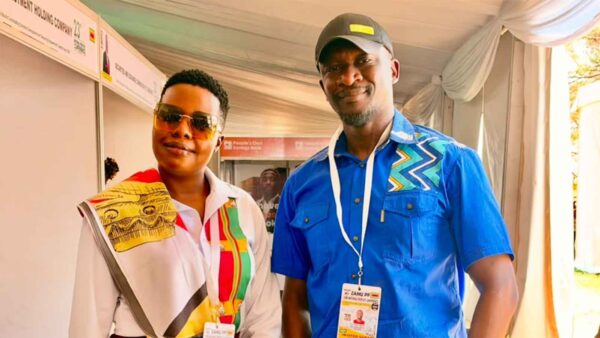
In clarifying Zimbabwe’s position, Information, Publicity and Broadcasting Services permanent secretary Mr Nick Mangwana said in essence, the country would supply the raw materials for scientific discovery without any guarantee that the final products would be available to Zimbabweans in the event of a future health challenge.
He said genuine friendship between nations is not gauged by what one can extract from the other, but rather by the mutual respect with which they treat each other.
“It is in this spirit that we extend our hand to the United States, hopeful that future engagements will reflect the dignity and equality that both our nations deserve,” said Mr Mangwana.