admin
adminrefugees”, the head of the UN Environment Programme Achim Steiner said.
“On the African continent, there is sometimes more leadership being shown by countries, by governments, than we see in some of the industrialised nations,” Steiner told AlertNet.
“Kenya is currently doubling its energy and electricity generating infrastructure largely using renewables. These are policies that are pioneering, that are innovative,” he said.
Kenya generates most of its energy from hydroelectric dams but water levels have fallen due to recurring drought. It is now investing heavily in geothermal and wind power.
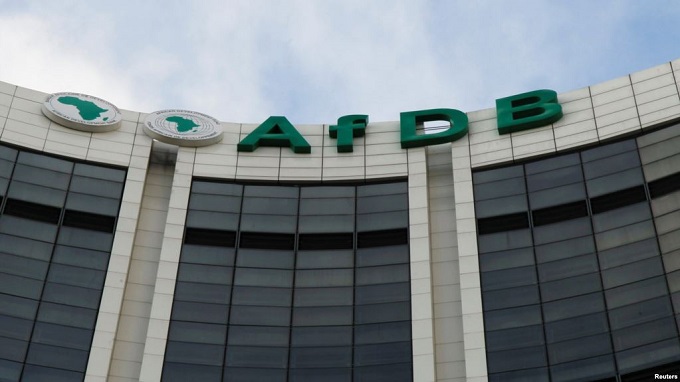
The African Development Bank is financing Africa’s biggest wind farm on the shores of Lake Turkana, one of the windiest places on Earth. The US$819 million project aims to produce 300 megawatts of electricity per year, boosting Kenya’s energy supply by 30 percent.
Toyota and Hyundai are building a fourth geothermal power station in Naivasha, 100km northwest of Nairobi, which will increase geothermal capacity from 115MW to 395MW by 2014.
“We see across the continent both a realisation of how threatening climate change really is and also the inevitable necessity that governments have an interest in beginning to put their own development priorities on a different trajectory,” said Steiner.
Investments in renewable energy are hitting record levels. In 2010, US$211 billion was invested in renewable energy, the majority of it in the developing world, Steiner said.
As the world’s poorest continent, Africa is also the most vulnerable to the extreme weather conditions and rising sea levels brought by climate change. In the Horn of Africa, some 13 million people are going hungry due to prolonged drought. In Somalia, the crisis is compounded by conflict.
Time has run out to get a new binding deal on cutting greenhouse gas emissions in place before the Kyoto Protocol expires at the end of 2012. Expectations are low that UN climate negotiations in Durban, South Africa, from next Monday, will achieve anything more than modest steps towards a broader deal.
The Kyoto Protocol obliges developed countries to reduce greenhouse gas emissions by 5 percent of 1990 levels by the end of 2012.
Scientists say pledges so far to curb emissions will not prevent the planet heating up beyond the two degrees Celsius threshold they say risks more extreme weather, crop failure and major floods. Global average temperatures rose by 0,7 deg C over pre-industrial times during the 20th century. He estimated that it could take two to five years to reach another global agreement.
The European Union, Russia, Japan and Canada have said they will not sign a second commitment period unless bigger emitters, notably China and the United States, provide firm evidence that they would join too. – Reuters/AlertNet.



 Online Reporter