Online Reporter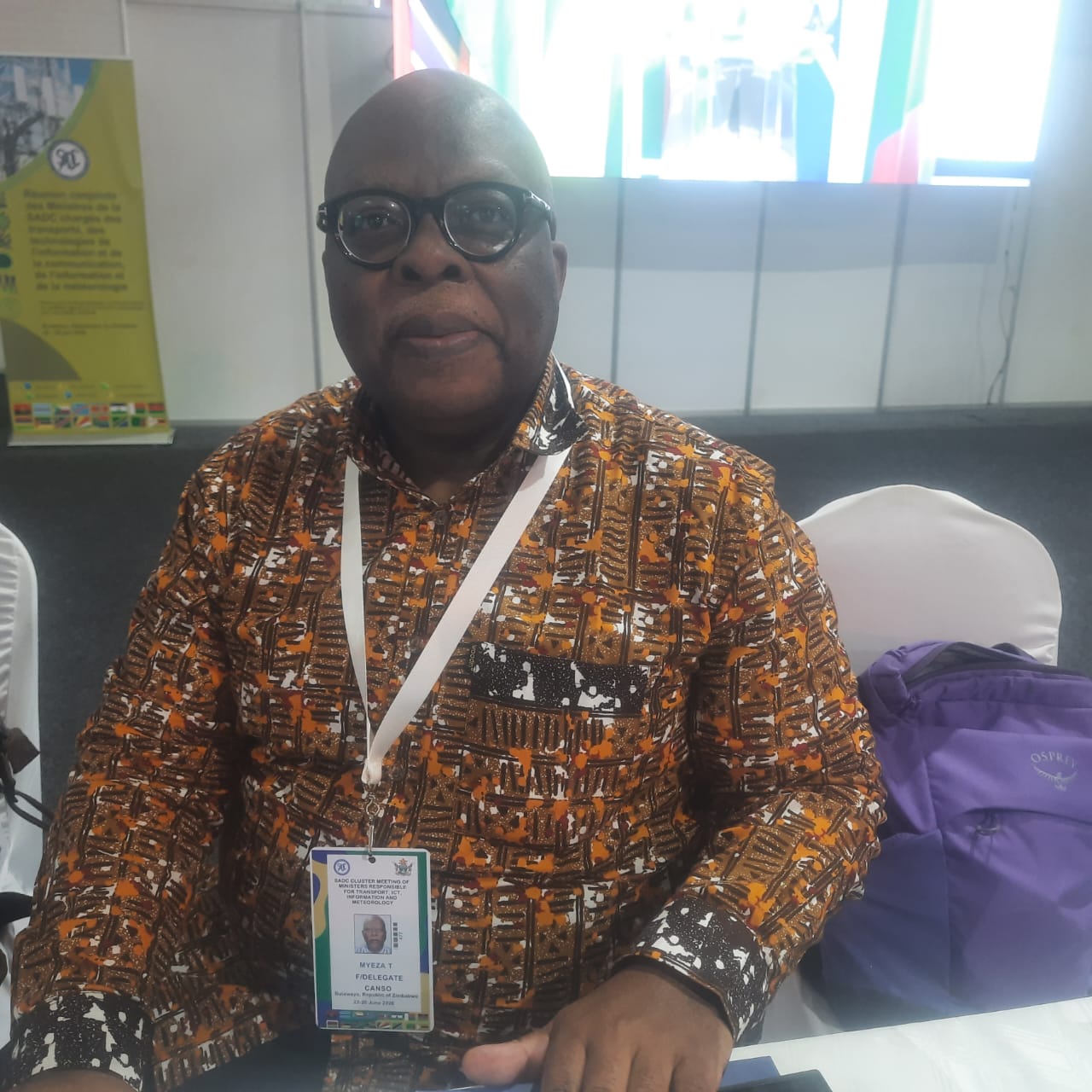
Gibson Mhaka [email protected]
AFRICA must leverage technology-driven innovation to transform its aviation sector and broader economy while positioning itself as a producer of intellectual property rather than remaining a consumer of foreign technologies, a leading aviation executive has said.
Speaking during a high-level plenary discussion on “Innovation, Technology and Human Capital for Africa’s Aviation Future Investment” held on the sidelines of the Sixth SADC Cluster Meeting of Ministers Responsible for Transport, ICT, Information and Meteorology in Bulawayo, Civil Air Navigation Services Organisation (CANSO) Director for Africa Affairs, Mr Thabani Myeza, challenged African governments and industry leaders to embrace bold and deliberate strategies that harness technology for sustainable development.
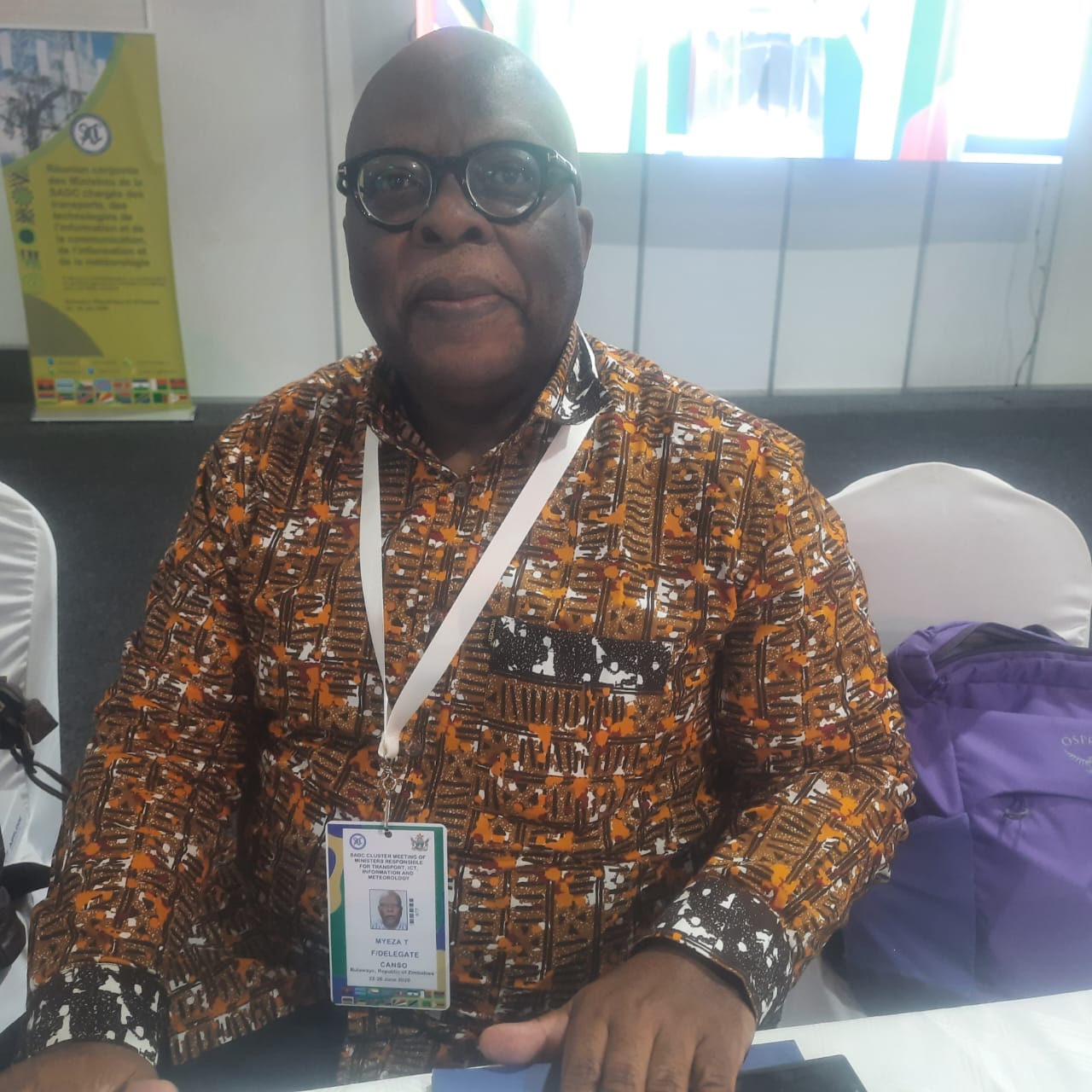
Mr Myeza described what he termed the “technology paradox” facing Africa, where the continent remains heavily dependent on foreign digital infrastructure despite possessing immense potential to chart its own technological future.
“The risk of Africa becoming a consumer of technology rather than a producer of intellectual property is real,” he said.
He noted that while technology is advancing at an unprecedented pace globally, Africa must not allow itself to be left behind by failing to make timely and strategic decisions.
“Those fears are real, yet we also know that technology is moving faster than we can make decisions.
“We might as well take the bull by the horns and figure out how we control our fate rather than let technology control our fate,” said Mr Myeza.
Drawing lessons from major global development milestones, including industrialisation, technological revolutions and Asia’s economic transformation, Mr Myeza said Africa must identify the next breakthrough that can propel the continent to higher levels of prosperity.
“What is that next big thing that will propel this region, Africa, to the next level? Industrialisation has already been done, the supercomputer has been done and the movement of people from poverty into the middle class has been done elsewhere.
“Can we find a way around technology? Can we support our young entrepreneurs who are doing things differently from the way we have done things in the past?” he said.
He said Africa’s youthful population presents a unique opportunity for innovation-driven growth if governments invest in entrepreneurship, digital technologies and value addition.
“We probably have to digitalise and industrialise at the same time, but we have to be deliberate about what we do.
“Ours is a hybrid model that will digitalise, create entrepreneurs and drive selective industrialisation while ensuring that our minerals are processed here rather than exported in raw form,” he said.
Mr Myeza highlighted telecommunications as one of Africa’s greatest success stories, noting that innovations such as mobile money emerged on the continent ahead of many developed economies.
“It is mobile telephony that brought Africa mobile money and now we are talking about mobile identification and many other innovations. We did that before the rest of the world,” he said.
Turning to aviation, Mr Myeza urged policymakers to adopt a holistic approach to sector development, stressing that aviation growth extends beyond airports and airlines.
“When we talk about aviation, we must talk about the full ecosystem.
“It is not just about the airport or the airline. It is about the entire ecosystem that makes connectivity possible and ensures systems are interoperable to provide the required levels of safety and efficiency,” he said.
He also outlined the International Civil Aviation Organisation’s (ICAO) proposed Minimum Implementation Path, which seeks to establish a common baseline for aviation development across all countries.
“The Minimum Implementation Path will allow us to have a single global path applicable to all States based on global interoperability and safety priorities.
“By 2028, every country can work towards the same minimum implementation standards and speak the same language when engaging financiers and development partners,” he said.
Mr Myeza further emphasised the need for governments and industry leaders to rethink workforce development strategies as younger generations enter the labour market.
Referring to Generation Alpha, which is expected to begin joining the workforce within the next decade, he said conventional training models would no longer be adequate.
“These are children who have never known a world without mobile phones, computers and digital technology.
“We cannot train those children the same way we trained the people we are training today,” he said.
He added that future workers would prioritise flexibility, innovation and work-life balance, requiring institutions to adopt more adaptive approaches to skills development.
“Small initiatives are great and well-meaning, but they are not going to take us to an industrial revolution, supercomputing capability or the transformational innovations that telecommunications brought to Africa.
“We need to elevate our thinking and do things that move the needle,” said Mr Myeza.
His remarks resonated with the broader objectives of the SADC cluster meeting, which is seeking to strengthen regional integration through enhanced transport connectivity, digital transformation, information sharing and meteorological cooperation.