Online Reporter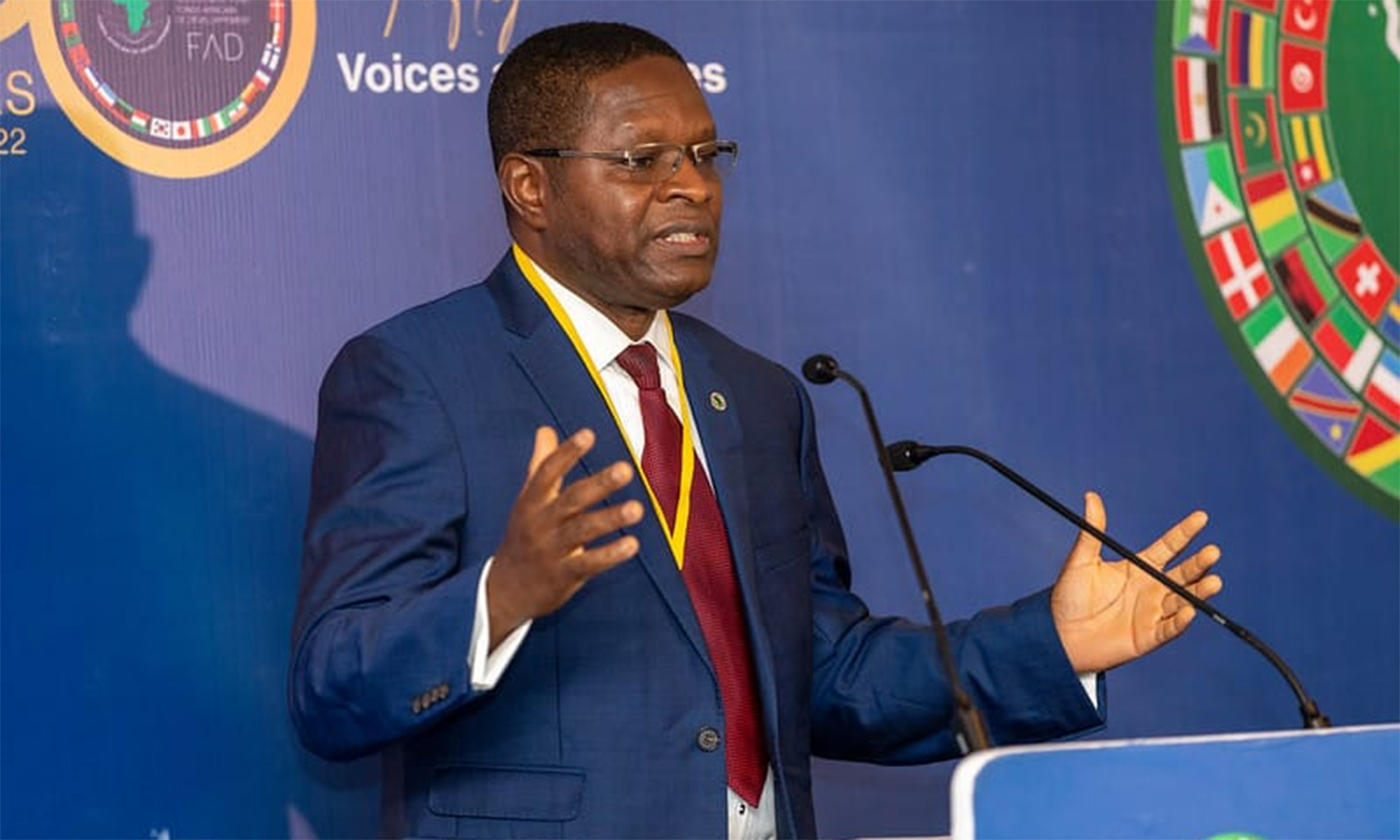
Africa Moyo
THERE is an urgent need for African nations to harness their internal resources for sustainable development, the African Development Bank (AfDB) chief economist and vice president for economic governance, Professor Kevin Urama, has said.
Addressing the media recently ahead of the AfDB Group’s 2025 annual meetings which run from May 26 to 30 in Abidjan, Côte d’Ivoire, Prof Urama said dwindling foreign aid and increasing tariffs should prompt African countries to look inward for development strategies.
“Africa’s capital should work for Africa,” he said, urging leaders to shift focus towards domestic resources and capabilities.
This call for self-reliance resonates particularly well in Zimbabwe, where President Mnangagwa’s mantra, “Nyika inovakwa nevene vayo/ Ilizwe lakhiwa ngabanikazi balo/ The country is built by its people”, underscores ongoing efforts to invest in infrastructure and capital.
Zimbabwe has made significant investments in infrastructure projects, such as dam and road construction.
The 585km Harare-Masvingo-Beitbridge Highway is a prime example of roads constructed using internally generated funds.
The project, one of the signature projects of the Second Republic, is almost complete, with only 88km outstanding.
These projects are part of a broader strategy to enhance economic self-sufficiency and reduce dependency on foreign aid.
For instance, the dam projects not only aim to improve water supply for agriculture and domestic use but also create jobs and stimulate local economies.
The need for self-reliance comes against the backdrop of ongoing discussions about the “Africa premium,” a term used to describe the higher borrowing costs African countries face in global capital markets.
AfDB president Dr Akinwumi Adesina has been vocal about the need to eradicate this perception, which he argues is unjustified given that Africa’s default rates are lower than those of other regions.
Dr Adesina is the Champion of Zimbabwe’s arrears and debt resolution process, while with former Mozambique President Joachim Chissano is the facilitator.
As Zimbabwe forges ahead with its infrastructure projects, the Government is also focusing on enhancing local industries and agriculture.
By investing in domestic capabilities, Zimbabwe aims to reduce its reliance on imports and bolster its economy.
The commitment to building a robust infrastructure network is seen as vital for attracting investment and fostering long-term growth.
Prof Urama said the upcoming annual meetings, which President Mnangagwa is expected to attend, will discuss many issues, including how African nations can collectively leverage their resources to promote sustainable development.
Key sessions will also include the election of the next AfDB president, a pivotal moment that will shape the institution’s direction for years to come.