admin
admin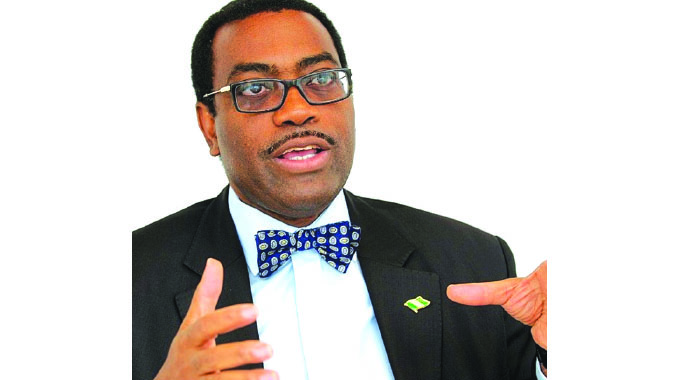
In just six years of operation, Africa50 has invested in critical infrastructure with a total value of more than US$6,6 billion, African Development Bank president Dr Akinwumi Adesina has said.
He made the remarks during the Africa50 Infra Forum and General Shareholders Meeting in Togo’s capital Lomé.
The event was attended by Togolese President Faure Gnassingbé.
Africa50 is an investment platform established by African governments and the AfDB to mobilise financing for mega infrastructure projects with significant development impact.
Dr Adesina chairs the Africa50 board of directors.
Prominent African and global institutional investors attending the meeting signed subscription agreements and letters of intent to commit funds to the US$500 million African Infrastructure Acceleration Fund—the first private vehicle infrastructure platform launched by Africa50.
The fund will catalyse further investment flows to invest in the development of critical infrastructure across the African continent.
Said President Gnassingbé: “There is a huge need for infrastructure across the continent, and this is indeed a condition for development. Without roads, bridges, airports, hospitals, schools, power, communication networks, and water supply, there is indeed no possible development in Africa.”
President Gnassingbé said infrastructure issues lie at the heart of his country’s development roadmap.
“Togo has assets, but to take advantage of them, we need to invest in infrastructure,” the Togolese president said. He added: “The public sector finances more than 90 percent of infrastructure investment, but public spending will not be enough… the involvement of the private sector is essential.”
He stressed that projects must be bankable to appeal to private investors.
“Without a stable and consistent regulatory environment, it will not be possible to attract private capital,” he emphasised.
Dr Adesina said Africa50 was rapidly playing a strategic role in closing Africa’s infrastructure financing gap, from energy to transport and logistics to digital infrastructure.
He said: “Africa50 is doing amazing work as an institution, developing projects to bankability and financing projects. At the heart of our work is to help close the US$68 to US$108 billion annual infrastructure financing gap for Africa.”
Africa50 CEO Alain Mr Ebobissé said his institution was ready to take on the challenge of creating the infrastructure needed to grow the African continent.
“For instance, with the support of the African Development Bank, Africa50 has developed the first program of asset recycling in Africa,” Mr Ebobissé said. “And today we are happy to welcome Togo, Gambia, and Zimbabwe as the first countries to join this programme with emblematic assets.”
Asset recycling is an innovative initiative for governments to monetize existing infrastructure assets through a concession to the private sector with funds received being reinvested in other priority projects.
Mr Ebobissé explained that Africa50’s investment over six years covered 21 national and regional infrastructure projects in 22 countries.
“We understand the expectations of the African population. This is why we must act with a real sense of urgency.”
Speaking about financial resources for Africa’s development needs, Dr Adesina said the reallocation of International Monetary Fund Special Drawing Rights (SDRs) through the African Development Bank would mean much more funding to support all the regional development banks in Africa as well as Africa50.
He explained that these resources would unlock additional resources to finance climate change mitigation and adaptation, infrastructure for agriculture, transport, digital, airports, water and sanitation, education, as well as health. He added that the added resources would support African countries like Togo, where the African Development Bank has invested heavily and is the largest development partner supporting the country’s agricultural sector.
The African Development Bank invested more than US$32 million to support inclusive growth in the sector, helping to reduce the importation of key food commodities s like rice, maize, and soybeans.
“This is the time to change the investment narrative on Africa,” Dr Adesina. “It is remarkable and unprecedented to have 17 African institutions participating in such a transforming initiative to invest in an African infrastructure fund. With the Fund, we are positioning the Africa50 Group to play a lead role in helping to tap into the more than US$98 trillion of global assets under management.”


 Online Reporter