Gibson Mhaka in MOSCOW, Russia
AFRICAN content creators and journalists have been challenged to take charge of the continent’s narrative, with Zimbabwean media personalities and digital influencers among those who could draw lessons from calls for authentic storytelling and stronger audience trust.
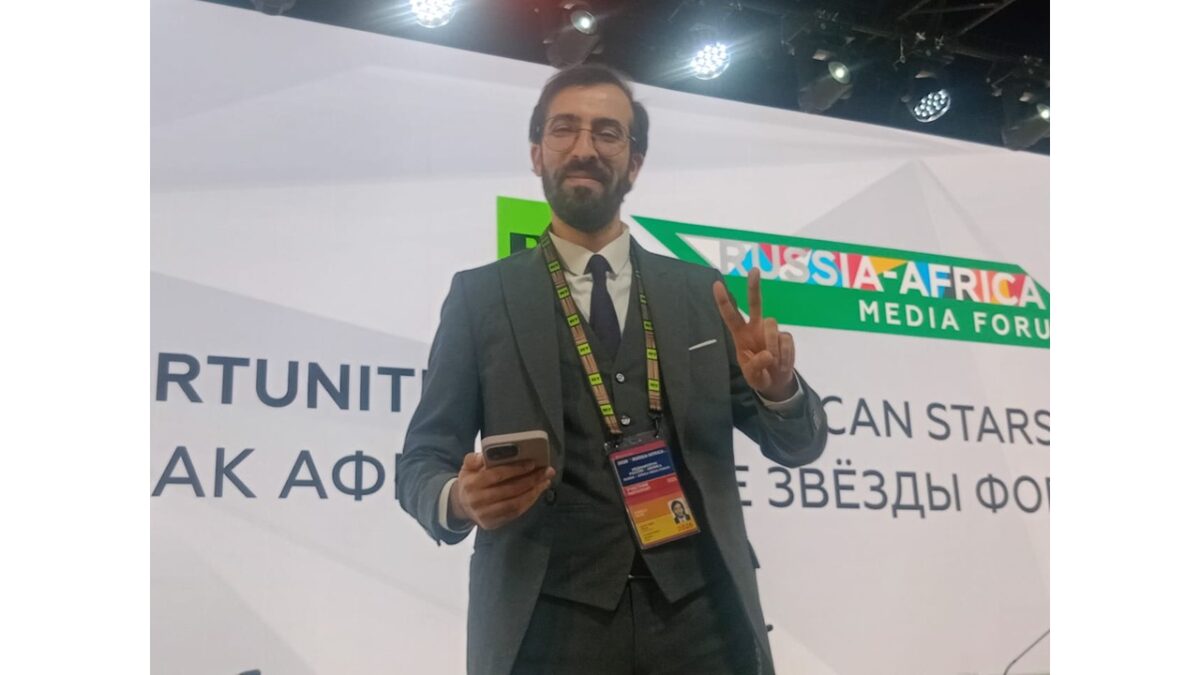
The call was made during a session hosted by Russia Today (RT) on Wednesday where prominent African media personalities, bloggers and opinion leaders discussed how they shape the image of their countries before global audiences.
Held under the theme “Land of Opportunity: How African Stars Are Shaping Continental Identity”, the discussion explored the power of social media, the challenges facing content creators and the importance of communicating in languages audiences understand.
For Zimbabwe, where digital platforms have become important spaces for discussing culture, business, tourism and national development, the conversation highlighted an opportunity for local creators to take Zimbabwean stories beyond the country’s borders.
Berkane Houssam Eddine, founder and director general of Algerian media platform DZDiplomat, said Africans needed to develop their own platforms and report their experiences rather than allow outsiders to define the continent.
“We are in the midst of a real war of narratives. We all suffer from censorship, and our adversaries use a wide range of modern tools,” he said.
“That is why people of our generation must build their own platforms and tell their own stories. If you do not tell your story, someone else will tell it for you and on your behalf, and that story is unlikely to serve your interests.”
His remarks speak to Zimbabwean content creators seeking to showcase the country’s tourism attractions, music, fashion, cuisine, entrepreneurship and everyday experiences to international audiences.
From the stone-built grandeur of Great Zimbabwe to Victoria Falls and the creative energy of Harare, local influencers have opportunities to present a fuller picture of the country, balancing its achievements with honest accounts of the challenges communities face.
Egyptian travel content creator Taher Mohamed Elhefni Ali Abdalla, popularly known as Taher Travels, said consistency and commitment were central to building a loyal following.
“I have been active on social media for a long time, and at times it has been very difficult but I have never given up,” he said.
“It is important to stay true to your mission and make sure that with every new post your audience grows and your voice becomes more confident.”
He added that creators needed to believe in their message and follow current affairs to keep their content relevant.
Daniel Ndambuki, creator and host of Kenya’s popular comedy programme The Churchill Show, said challenges could open new opportunities and strengthen content creators’ determination to succeed.
Meanwhile, Tanzanian journalist Salim Atumani Kikeke, who has more than two decades of professional experience, said African bloggers attending major international summits could help followers make informed choices.
The discussion also examined language as a tool for building trust, an issue relevant to Zimbabwe’s multilingual society. Content presented in English, Shona, Ndebele and other local languages can reach different audiences and give communities greater space to tell their own stories.
Franklin Nyamsi, president of the African Institute of Freedoms in Bamako, Mali, said Africans sought independence rather than confrontation with other countries.
Participants agreed that creators must portray their countries’ cultures, traditions, achievements and challenges sincerely and consistently.
For Zimbabwe, the message was clear, digital influence must go beyond attracting views.
Credible storytelling, cultural pride and responsible reporting can help local creators strengthen public trust while placing Zimbabwean experiences firmly on the global map.