tawandamusarurwa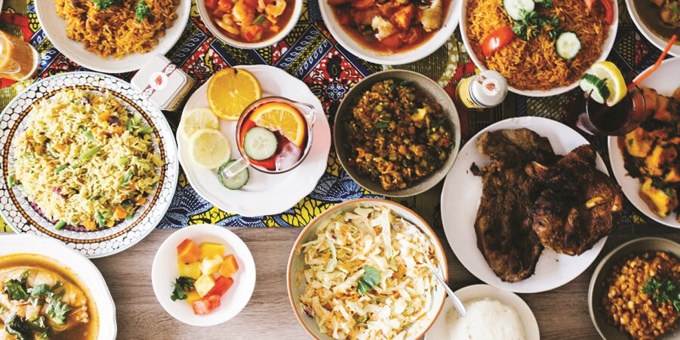
COLONISATION prevented traditional African cuisine from taking its pride of place among popular global dishes.
Charles Mavhunga
Unfortunately, Africans also inherited a psychotic belief in white supremacy narratives, and this reduced traditional African cuisine to a classless ranking.
However, initiatives such as the Institute of African Liberation (INSTAK)’s Heritage Village, at the Museum of African Liberation in Harare, which showcase traditional African cuisine from 55 African states on the continent, are a source of hope.
Researchers associate people’s traditions with food.
Every country has its own gastronomic culture, which has been passed on for generations.
Food, as a tradition, does not change and often remains in the collective imagination of people, despite changes in fashion or lifestyles.
Traditional foods also define the identity of a people.
For example, egusi soup is identified with Nigeria, ugali (Kenya), nshima (Zambia) and injera (Ethiopia).
So, by degrading African cuisine, the colonial system effectively undermined the dignity of Africans.
This means the supremacy of European cuisine in five-star hotels in Africa is a colonial legacy.
In this context, the African people lost both their identity and heritage values in the tourism industry.
A brand is only strong if it can be linked with a territory.
It is also part of a set of traditions for that territory.
For instance, Toyota vehicles are linked with the Japanese tradition, Ford cars originate from the United States, while the Mercedes-Benz model is from Germany.
This means products should be linked with a certain geographical location to become strong brands. They should also be part of a certain culture that operates in the defined territory.
Instructively, food defines the territory, as well as the people and their identity.
The popularity of French cuisine in many five-star hotels in Africa indicates the domination of French people on the continent.
Meals provided by top hotels are always invariably European.
Yet researchers in traditional cuisine have long established that it is of high nutritional value and has great taste.
African foods such as mushrooms, root crops, tubers, edible insects and cereals, among others, are known to boost the immune system and protect people against conditions such as diabetes, hypertension and obesity.
African dishes such as millet, cassava, sorghum, barley, plantain and fruits are rich in fibre, which improves bowel movement. They have many other health benefits.
In addition, traditional foods are natural and organic.
The cooking style of African cuisine includes steaming, roasting, boiling and grilling — methods that lock in natural flavours.
But the Heritage Village at the museum in Harare helps promote cuisine and culture from various African countries.
Through the exhibition of traditions at the Heritage Village, the self-worth and dignity of Africans will be restored.
A comprehensive display of traditional foods by Africans themselves will enhance the quality standards of the African brand in the tourism industry.
How African cuisine fits into the world is largely defined by the level of information and knowledge that Africans put in the public domain. The supremacy of French cuisine in five-star hotels throughout the world is driven by the French people’s efforts in supporting the value of their brand.
So, to promote the dignity of the African brand through food, Africans themselves must not remain silent, but wake up and be counted.
Charles Mavhunga co-authored textbooks in business enterprising skills and is currently studying for a PhD in Management at Bindura University of Science Education. He can be contacted at: [email protected]/ Cell :0772989816.



 Online Reporter