Online Reporter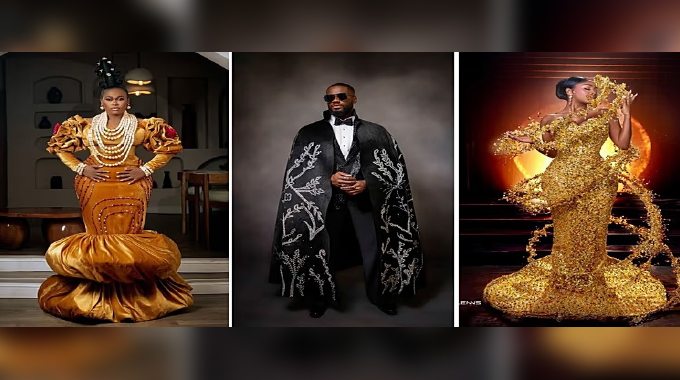
AFRICAN fashion is quietly but steadily changing, and the world is beginning to take notice. What was once seen mainly as traditional dress for ceremonies and cultural gatherings is now becoming part of global fashion, appearing on red carpets, in luxury spaces and in international conversations.
This shift is not only about the clothes people wear. It is also about the wider system growing around African fashion. Designers, celebrities, media platforms and digital culture are all playing a role in pushing it onto the global stage.
Today, fashion across the continent is no longer seen as just style — it is being recognised as identity, business and cultural influence.
In the past, many African designers worked mainly within their local markets. Today, that is changing. Designers are now gaining recognition in global fashion capitals such as Paris, London and New York. Their work is no longer treated as something separate or “traditional”, but as part of modern luxury.
Names such as Thebe Magugu, Abbaswoman, Maki Oh and Veekee James are becoming well known beyond Africa. Their designs are now part of global discussions around fashion, sustainability and storytelling. What attracts global audiences is the way these designers combine heritage, craftsmanship and modern ideas. They are not simply following trends — they are shaping them.
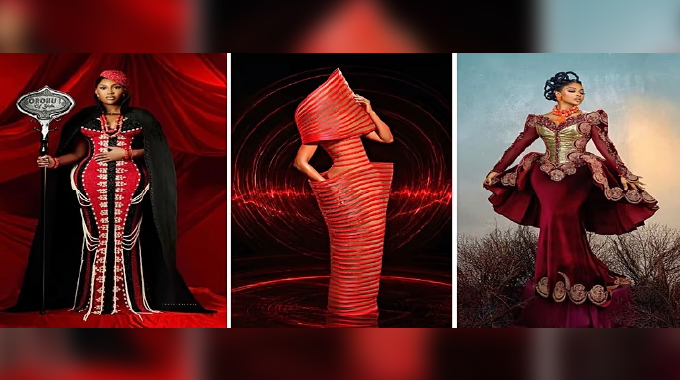
This marks an important moment. African fashion is no longer trying to catch up with the rest of the world. Instead, it is influencing where fashion is going.
Another major shift is how fashion is being used. Clothes are no longer just about looking good. They are now a way of telling stories.
On red carpets, at awards shows and during major events, outfits are carefully chosen to say something. They may reflect culture, identity, politics or personal beliefs. Many African celebrities are using fashion in this way, turning their outfits into statements rather than simple choices.
This explains why some fashion moments attract so much attention. It is no longer just about who is wearing what — it is about why they are wearing it. The clothing itself becomes the story.
Social media has played a big role in this change. In the past, fashion trends often depended on magazines or television for exposure. Today, things move much faster.
An outfit can now be seen across the world within minutes of appearing online. Platforms such as Instagram and TikTok have made it possible for designers and stylists to reach global audiences instantly. A design created in Accra, Lagos or Johannesburg can trend in cities like London or New York on the same day.
This has removed many of the barriers that once limited African fashion to local markets. Designers no longer have to rely on international fashion gatekeepers to gain attention.
They can connect directly with audiences, build their own following and shape their own narratives.
At the same time, African fashion is becoming more than just a cultural expression. It is also growing into a serious business.
Across the continent, fashion is increasingly being seen as an industry with real economic value. Designers are expanding their work to reach international buyers and are taking part in global collaborations. Traditional fabrics and techniques are being used in new ways, creating styles that appeal to both local and international markets.
This means African fashion is not only telling stories, but also creating jobs and contributing to economic growth. It is turning creativity into opportunity.
At the centre of all these changes is a strong sense of identity. African fashion today sits between tradition and modern life, between local meaning and global reach. It brings together what has always existed with what is new and changing.
This balance is what makes it powerful. It is not about copying what happens elsewhere. Instead, it is about building a voice that is rooted in culture but open to the world.
Even everyday conversations around African fashion are shifting. People are paying more attention to how it is worn, how it is understood and how it is valued. There is a growing awareness that fashion carries meaning, history and creativity.
Because of this, it is no longer accurate to say African fashion is “emerging”. It has already arrived.
What is happening now is something different. African fashion is reorganising how it wants to be seen. It is moving beyond being treated as a trend or a niche category. It is becoming a language — one that expresses identity, culture and innovation all at once.
And as this transformation continues, one thing is becoming clear: the world is no longer overlooking African fashion. It is paying attention, learning and, in many ways, being influenced by it.
Africa News/Zimpapers