Online Reporter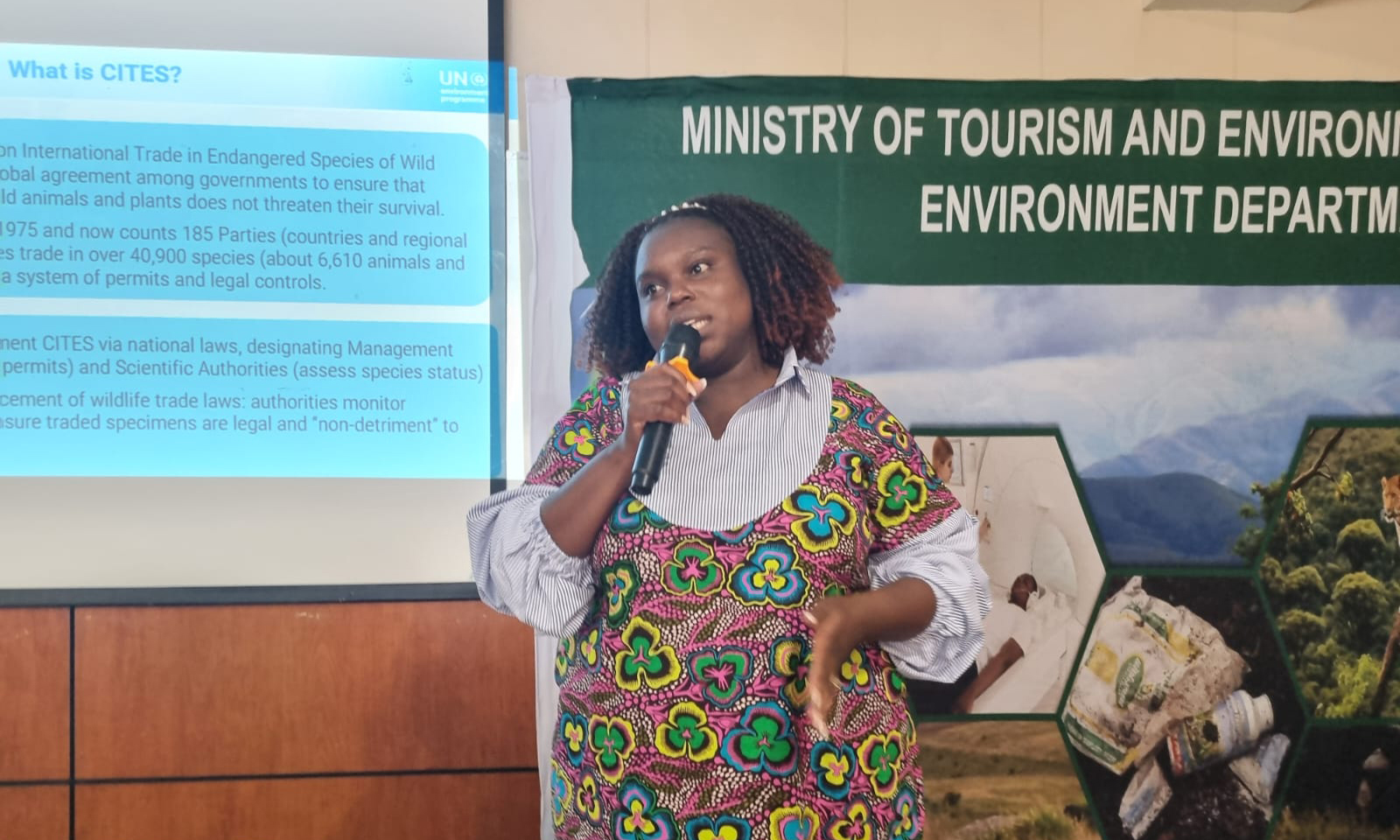
Phyllis Kachere in MBABANE, Eswatini
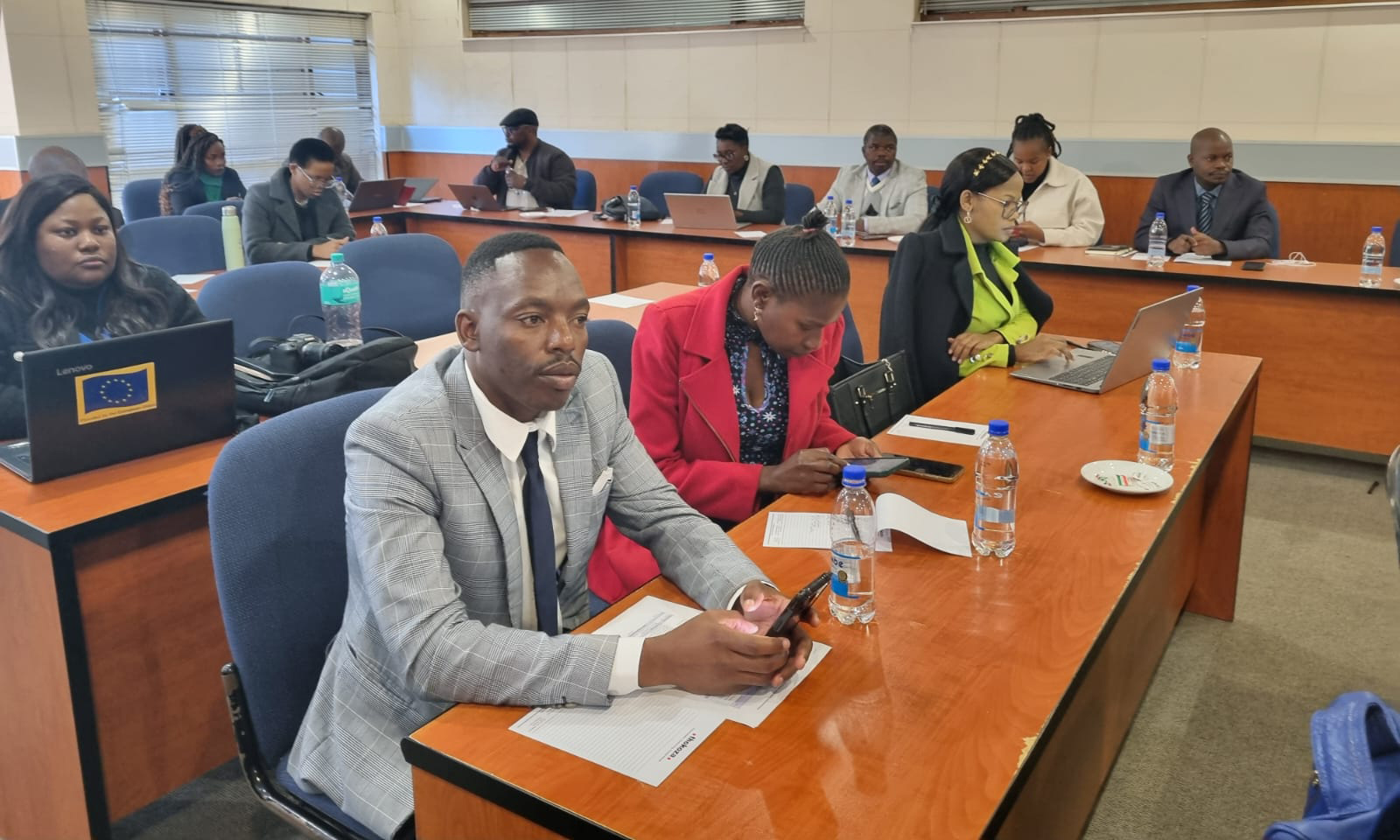
African journalists covering the environment are gathered in Mbabane, Eswatini’s capital for a three-day training on Multilateral Environmental Agreements (MEA) that is expected to give impetus to the media in taking charge of the continent’s environmental coverage which began on Monday.
The training was organized by the African Union Commission (AUC) Sustainable Environment and Blue Economy Directorate in partnership with the Kingdom of Eswatini and the United Nations Environment Programme (UNEP).
Addressing the journalists, UNEP project officer Regional Office for Africa Ms Norah Kendeli Mugita said:
“UNEP firmly believes that accurate, engaging media coverage is essential if we are to translate high level negotiations into real-world impact.
“These Agreements set the global rules for conserving biodiversity, restoring degraded lands, managing chemicals and plastics, and safeguarding our oceans. Yet without clear, compelling stories reaching policymakers and citizens alike, the ambition of COP decisions can too easily remain in the conference room rather than on the ground.”
She explained that UNEP’s role, alongside the African Union Commission and partners, is to provide journalists with both the substantive expertise and the storytelling techniques they need.
“Our aim is that you leave this training not only with greater knowledge of environmental policy, but with practical tools to hold governments and stakeholders accountable—and to inspire action in your own communities.”
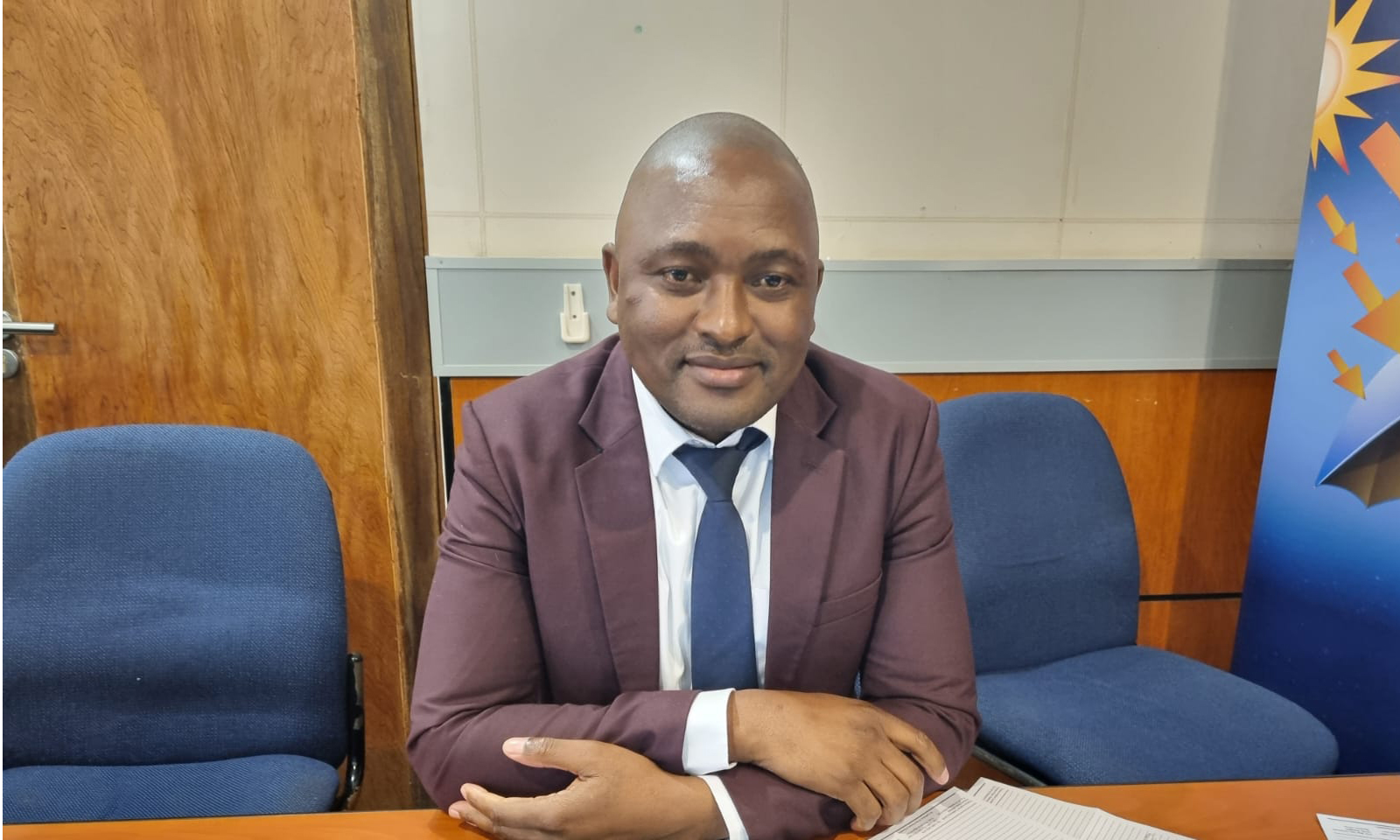
The AUC MEA coordinator Dr Oldman Koboto challenged African media to take charge and ownership of the continent’s environment narrative in regional and international negotiations.
“Today marks a historic occasion as we are not only convening a media training workshop. We are launching a significant initiative to take ownership of Africa’s narrative in regional and international negotiations. This training is aimed at increasing the media’s role in shaping Africa’s image,” said Dr Koboto.
The AUC noted that the global environment is grappling with unprecedented challenges, including biodiversity loss, desertification, and pollution.
“Multilateral Environmental Agreements (MEA) like Convention on International Trade in Endangered Species of Wild Fauna and Flora (CITES), the United Nations Convention to Combat Desertification (UNCCD), the Convention of Bio-Diversity (CBD) among others are fundamental frameworks designed to address these critical issues.
“Effective communication of these agreements, their complexities, and their national and local implications is essential for building public understanding, driving policy implementation, and fostering sustainable practices. National and civil society media are pivotal in disseminating information, raising awareness, and holding stakeholders accountable.
“However, reporting on MEA necessitates specialised knowledge and skills to accurately convey scientific data, policy nuances, and the socio-economic dimensions of environmental issues. It’s therefore, crucial to equip media professionals with the necessary tools and understanding to effectively report on CITES, UNCCD, and CBD, BBNJ and BRS to mention but a few.”
The AUC also noted that for African Union member states, accurate media reporting on MEA is particularly important.
“This ensures that citizens are informed about the specific impacts of these environmental challenges within their regions, and how national and regional policies align with global efforts. It empowers communities to participate in decision-making, promotes transparency and accountability in the implementation of MEA, and facilitates the adoption of sustainable practices tailored to the unique environmental and socio-economic contexts of the continent.”
In a side interview Dr Koboto explained Africa’s responsibility under Agenda 2063: The Africa We Want, which envisions policy harmonisation, capacity building, and robust monitoring and reporting mechanisms across the continent.
“African media should be on the forefront of amplifying the African Union’s numerous policy frameworks that include the African Biodiversity Strategy and Action Plan, Africa Ocean Governance Strategy among others.
“Achieving sustainable development requires inclusive and participatory approaches that leave no one behind. The media remains one of the most critical yet underutilised partners in policy formulation, negotiation, and implementation,” he said.
Dr Koboto bemoaned the continent’s failure to negotiate with one voice for critical mass where other blocks strategise and push for their preferred outcomes which necessarily do not help Africa’s environmental agenda.
In his opening remarks, Eswatini’s Ministry of Information Communication Technology director of Information Mr Bongani Mkhalipi saluted the AUC for the initiative which he said would assist environment journalists overcome challenges they face as they report on the environmental issues.
“Too often, we expect the media to report on highly technical and complex environmental issues without providing them with the necessary tools, training, or understanding to do so effectively. Today marks a significant step toward addressing that gap,” said Mr Mkhalipi.
The media practitioners will be exposed to legal obligations, mechanisms for the implementation, compliance, and enforcement of MEAs.
The packed sessions will provide insights on how the media can participate and amplify outcomes at regional and international negotiations.