

 dyton mupawaenda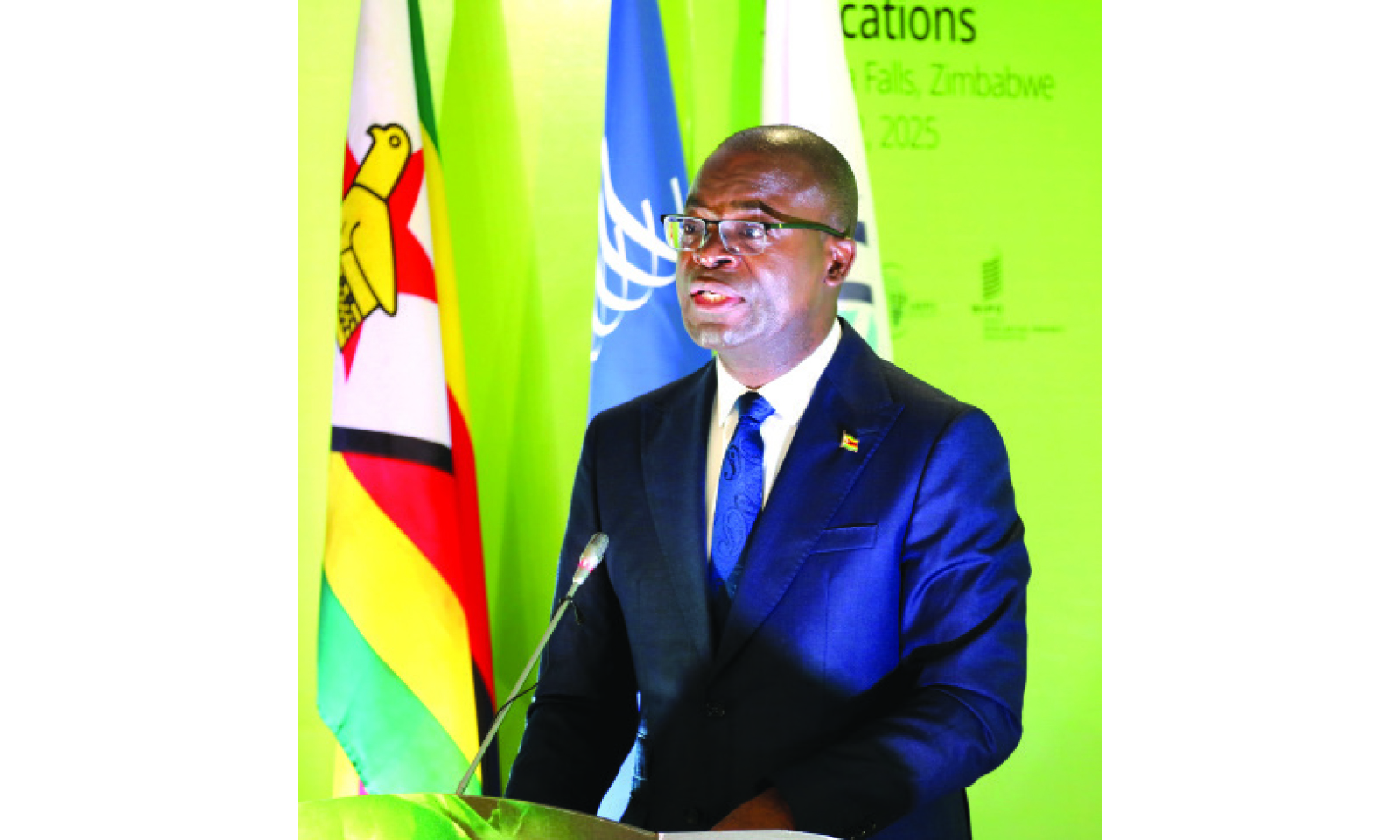
Vusumuzi Dube in VICTORIA FALLS
African nations must capitalise on their cultural heritage and natural resources by embracing Geographical Indications (GIs) as a pathway to sustainable economic growth, rural development and global competitiveness, President Mnangagwa has said.
GIs are essentially “place-based brands” that protect the name of a product when its quality, reputation or other characteristics are tied to a specific geographic location.
In a speech read on his behalf by Foreign Affairs and International Trade Minister Professor Amon Murwira at the official opening of the Worldwide Symposium on GIs in Victoria Falls yesterday, the President said the continent’s rich agro-ecological diversity and traditional knowledge systems presented an untapped opportunity for value addition and branding of local products.
The two-day symposium, which ended yesterday, was hosted by the World Intellectual Property Organisation (WIPO) in partnership with the Companies and Intellectual Property Office of Zimbabwe (CIPZ) and the Ministry of Justice, Legal and Parliamentary Affairs supported by the African Regional Intellectual Property Organisation (ARIPO)
President Mnangagwa, who is also the Sadc Chairperson, said Geographical Indications provided a system of intellectual property protection that linked quality and reputation to geographical origin.
He said they went a long way in enhancing value, promoting local development and safeguarding cultural identity.
“For Zimbabwe, Sadc and Africa as a whole, our rich tapestry of agro-ecological zones, indigenous knowledge systems and distinctive traditional foods and craft products, provide the requisite impetus for us to leverage Geographical Indications as strategic tools for economic transformation and integration,” said President Mnangagwa.
He said GIs provide a system of intellectual property protection that links quality and reputation to geographical origin.
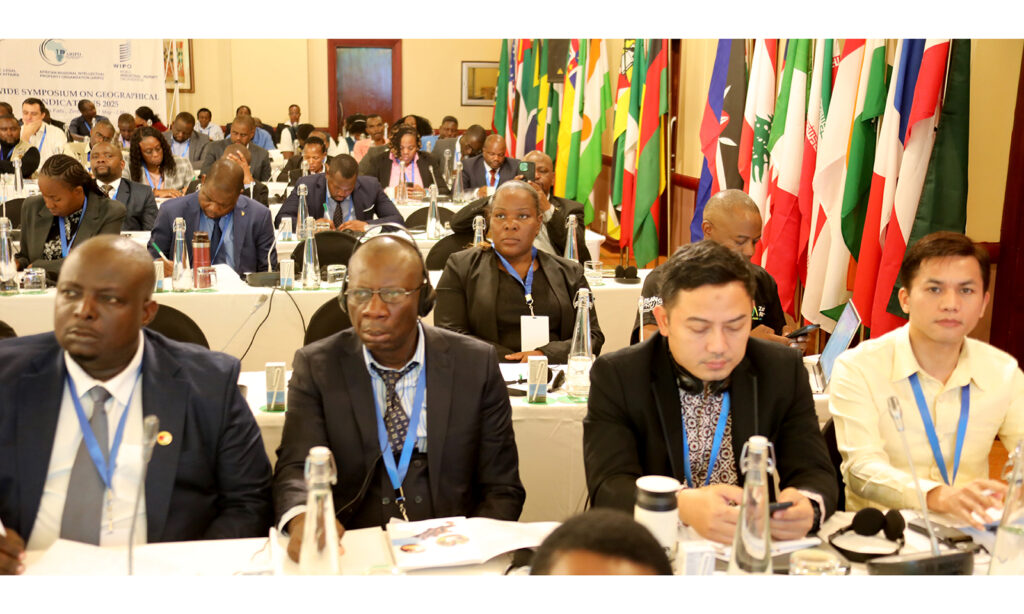
Delegates attend the official opening of Worldwide Symposium on Geographical Indications in Victoria Falls yesterday. – Picture: Eliah Saushoma.
President Mnangagwa cited global examples like Roquefort cheese (France), Colombian coffee, and Napa Valley wines (US) to illustrate how origin-linked products can dominate niche markets while uplifting local producers.
“Whether it be cheese from Roquefort, coffee from Colombia, or wine from Napa Valley, Geographical Indications distinguish products by their unique local characteristics, including soil composition, climate and traditional expertise, passed on from one generation to another,” he said.
President Mnangagwa said Africa, and Zimbabwe in particular, should follow suit by branding its unique food, crafts and natural products using GIs to gain premium market access.
He further noted that the development and protection of Geographical Indications is a welcome initiative as it supports the attainment of the national development priorities, which directly aligns with Vision 2030.
“Geographical Indications provide our entrepreneurs with a structured and empowering model of collective organisation, quality assurance and branding that can raise incomes, create jobs and wealth, as well as build dignity,” said President Mnangagwa.
“It is critically important that our policy thrust on image building, engagement and re-engagement within the global community also finds expression in the Geographical Indications Agenda.
“By highlighting the quality, origin, and cultural value of our products, we are telling Zimbabwe’s story, depicting our resilience, economic modernisation and industrialisation.”
To realise the full potential of GIs, the President said, Zimbabwe is strengthening the legal and institutional frameworks in line with international best practices.
President Mnangagwa said to support this Zimbabwe is reforming its national intellectual property legislation to align with international standards, including the WTO Agreement on Trade-Related Aspects of Intellectual Property Rights (TRIPS), the Geneva Act of the Lisbon Agreement and the African Continental Free Trade Area Protocol on Intellectual Property Rights.
“The development of a national Geographical Indications logo, a certification system and a manual of procedures to guide the registration, protection and enforcement of Geographical Indications is going well,” he said.
President Mnangagwa noted that this is being complemented by awareness-raising campaigns on various platforms, including the digital space, to educate producers, consumers, policy-makers and the private sector on the strategic importance of GIs.
He further emphasised that the success of any Geographical Indications regime depends not only on domestic effort but also on regional and international cooperation.
“The cross-cutting nature of Geographical Indications, encompassing trade, environment, heritage, agriculture and law, demands multi-stakeholder engagement.
“In this regard, I applaud the continued leadership of WIPO and ARIPO in providing technical assistance, capacity development and policy guidance to Member States,” said President Mnangagwa. “I also recognise the growing role of South-South cooperation and partnerships, which demonstrate the value of mutual learning, solidarity and co-creation.”
President Mnangagwa also called on the African Union to accelerate the implementation of the AfCFTA Intellectual Property Rights Protocol and support intra-African trade in origin-linked products.
He said as African countries there was a need to harmonise legal instruments, promote intra-African trade in origin-linked products, and establish a continental brand that embodies quality, heritage, and sustainability.
“As the world grapples with the effects of climate change, Geographical Indications offer a sustainable model of production that is rooted in local ecosystems, heritage and traditional knowledge.
“The concept incentivises the conservation of natural resources and the preservation of agro-biodiversity, as well as helps communities to build climate resilience and adaptation,” said President Mnangagwa.
Turning to Zimbabwe’s progression in GIs, the President revealed that they have registered their first Geographical Indication, through a partnership between the Zimbabwe Intellectual Property Office, the Centre for International Agricultural Research and Development and Bio-Hub Trust.
It has been dubbed the Zimbabwe-Geographical Indications Project.
“The Zimbabwe-Geographical Indications project is emblematic of what we seek to achieve: a bold, forward-looking, yet heritage-anchored approach to sustainable socio-economic development that leaves no one and no place behind.
“This project is supporting the identification, promotion, and protection of origin-linked products, beginning with Honey from Nyanga, in Manicaland Province,” said President Mnangagwa.
“It is pleasing that our local producers, in collaboration with French counterparts, are engaged in robust capacity-building, skills exchange, and knowledge transfer initiatives.
“This ensures that our local products meet international standards while maintaining local identity and quality.”



 Online Reporter