Chronicle Editor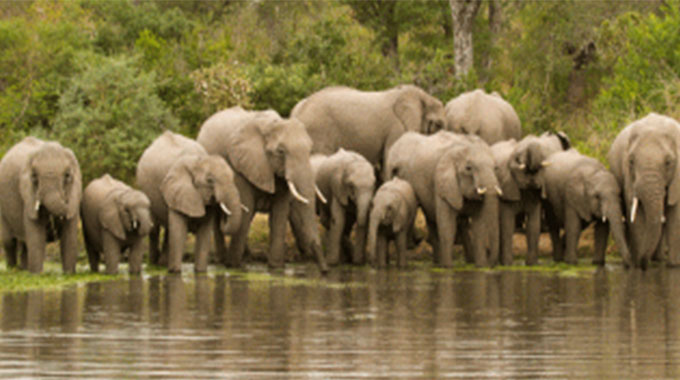
Oliver Kazunga, Senior Business Reporter
A NON-PROFIT conservation organisation, African Parks, has taken over the management of one of Zimbabwe’s national parks, Matusadona National Park, which is located on the southern shores of Lake Kariba.
The non-governmental organisation takes direct responsibility for the rehabilitation and long-term management of protected areas in partnership with African governments and local communities.
“We are pleased to share that African Parks has just signed a 20-year agreement with the Government of Zimbabwe for the management of Matusadona National Park,” said African Parks in a statement.
Matusadona National Park stretches for 1 470 km2 from the Matusadona hills down to the shores of Lake Kariba.
African Parks said in partnership with the Zimbabwe Parks and Wildlife Management Authority it will implement management strategies to secure the park and restore wildlife populations, unlocking its ecological, social and economic value enabling communities to derive long-term benefits.
Matusadona is the 16th protected area to join African Parks’ management portfolio.
The national park is also the first protected area in Zimbabwe to come under the management of African Parks.
Zimparks director-general Mr Fulton Mangwanya was quoted as saying: “Zimbabwe is among the world’s richest nations in natural resources and wildlife.
“These are assets which have drawn millions of visitors annually and form a vital base for our economy, requiring adequate management to enhance their contributions to development.
“Our public-private partnership with African Parks to restore Matusadona helps to leverage conservation further as a sustainable mechanism for growth, promoting a tourism economy to benefit people while ensuring the protection of Zimbabwe’s wildlife”.
Matusadona is an ecologically diverse landscape in the Zambezian ecology.
It is flanked by the Ume and Sanyati rivers, with 700-metre-high hills descending to its northern boundary on the shores of Lake Kariba.
Mixed woodlands and scrublands cover the slopes and ridges of the escarpment, the plateaus and the plains, and a forest of trees semi-submerged by the lake stretches the length of the shoreline.
The park harbours more than 240 bird species, baobab woodlands and wildlife including elephant, lion and buffalo.
However, African Parks said decades of poaching coupled with insufficient management resources contributed to its decline.
Elephant numbers have been drastically reduced and the once abundant population of black rhinos have been largely eliminated.
The organisation’s chief executive officer Mr Peter Fearnhead was also quoted saying:
“We are proud to be partnering with the Government of Zimbabwe for the first time to develop the potential of one of its most exceptional national parks.
“Zimbabwe has a strong history of conservation excellence, and our shared ambition is to ensure that Matusadona is revitalised as one of southern Africa’s leading protected areas.
“If we invest in protecting parks like these today, we’re investing in assets that will continue to provide value to the nation and the continent into the future”.
It is hoped that the Government and African Parks will fully restore the park, implementing good infrastructure, law enforcement, conservation and community development programmes.
Once a stronghold for black rhino, the park will be secured and re-established as a sanctuary for these critically endangered animals and other key species.
Matusadona holds a special place for Zimbabwe as a tourism and heritage area, with its spectacular position on Lake Kariba.
A management priority will be to enhance this status, enabling local communities to benefit from sustainable tourism.
Matusadona National Park is the first protected area in Zimbabwe to come under the management of African Parks, a new milestone which expands their portfolio to 16 protected areas, covering almost 11 million hectares across 10 countries. — @okazunga


 Online Reporter