

 Online Reporter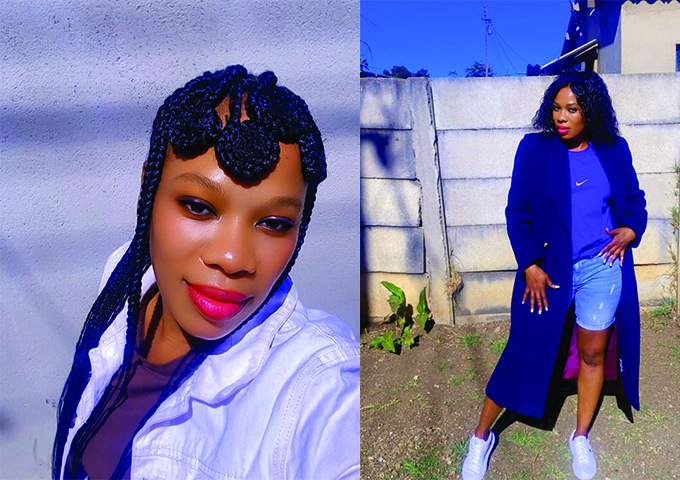
Mbulelo Mpofu [email protected]
CAMELLITA “Cammeh” Gumbo is looking to revisit her Urban Grooves roots with plans to remix “Chamhembe”, the song that introduced her to the music scene more than two decades ago.
The Bulawayo-born artiste rose to prominence alongside Gci with the song, which became one of the notable recordings associated with the Urban Grooves era.
Now, after years away from the mainstream music scene, Cammeh believes the song deserves a fresh treatment that could introduce it to a new generation of listeners.
Released during the height of the Urban Grooves movement, “Chamhembe” was part of Chamhembe Volume 1, released in 2004, which was followed by Chamhembe Plus in 2005.
The projects came at a time when Urban Grooves was becoming the soundtrack of Zimbabwean youths, producing a crop of artistes whose music continues to influence the country’s contemporary sound.
For Cammeh, “Chamhembe” holds a special place in her career as a songwriter, vocalist and dancer.
“As a songwriter, vocalist and dancer with over two decades of experience, I feel like I’ve seen enough to know which one of my songs deserves a fresh set of production and/or vocals. ‘Chamhembe’ is somewhat the tune that officially announced me to the music scene,” she said.
A remix would allow Cammeh to preserve the identity of the original while giving it a contemporary sound.
Urban Grooves played a major role in Zimbabwean youth culture at the turn of the millennium, with the genre eventually paving the way for other forms of urban music, including Zimdancehall.
The Chamhembe brand was among the projects that made an impact during the period, with producers and creative forces such as Tatenda Jenami, popularly known as Take Fizzo and later Take 5ive, and the late Siphosenkosi Mkhuhlani, known as TBA, playing key roles.
Musician and producer Rockford “Roki” Josphat also contributed to some of the projects.
The period coincided with increased opportunities for local musicians following the implementation of the 75 percent local-content requirement on Zimbabwean radio through the Broadcasting Services Act of 2000.
The policy gave local artistes greater access to radio and helped propel a new generation of musicians into the national spotlight.
Among the artistes who emerged during the period were Ex Q, Leonard Mapfumo, M’afriq, Tererai Mugwadi, Double Trouble, Roy and Royce, as well as Sani and Delani Makhalima.
Cammeh was part of that generation and, despite her reduced visibility on the local music scene over the years, she continued pursuing her creative interests.
She spent some time in South Africa, where she worked while continuing with music, before returning to Zimbabwe.
Since her return, she has worked with several local artistes, including Sandra Ndebele, Dr Feel and Afro Wav.
She also recently collaborated with Lamas Ellz on “Uyajola”, showing her continued interest in working with contemporary artistes.
Her career has also seen her share stages and studios with artistes such as Xtra Large, Andy Brown and South African musician Geshnido.
With such experience behind her, Cammeh believes revisiting “Chamhembe” is an opportunity to connect her musical past with the present.
The proposed remix could also offer a chance to introduce the song to younger listeners who may have experienced Urban Grooves mainly through its influence on contemporary Zimbabwean music.
However, the challenge will be maintaining the spirit of the original while giving it a modern sound.
For Cammeh, the song remains an important part of her musical journey and one she believes is worth revisiting after more than 20 years.
“Chamhembe” therefore stands as more than a nostalgic reminder of the Urban Grooves era. It is part of the musical history of a generation that helped establish local urban music as a powerful force in Zimbabwean popular culture.
Follow on X: @MbuleloMpofu


