Online Reporter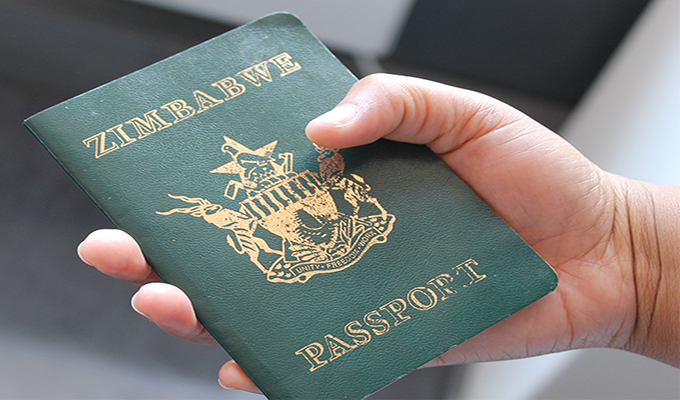
Lloyd Makonya
Correspondent
AFRICA’S evolving visa policies are increasingly becoming a critical lever for economic integration, with recent developments in Uganda and earlier reforms in Rwanda illustrating a clear shift towards mobility-driven growth.
Uganda’s announcement to waive visa requirements for 40 countries, including Zimbabwe, is part of a broader continental trend that recognises the centrality of human movement in unlocking trade, tourism and investment.
While Uganda’s approach is selective and strategic, it builds on the precedent set by Rwanda, which in 2018 made a landmark decision to grant visa-on-arrival access to all African nationals, effectively removing one of the most persistent barriers to intra-African travel.
Rwanda’s policy has been widely regarded as one of the most progressive on the continent, signalling a deliberate commitment to Pan-African integration. By allowing Africans to obtain visas upon arrival without prior application, Rwanda simplified entry procedures, reduced administrative bottlenecks and positioned itself as a hub for conferences, tourism, and business activity.
This policy aligns closely with the aspirations of the African Continental Free Trade Area, which seeks to create a single market for goods, services and people across Africa.
In contrast, Uganda has opted for a more incremental model, targeting specific countries for visa waivers based on strategic considerations. This approach allows for immediate gains in tourism and bilateral trade while managing domestic policy constraints.
The implications of these developments for Africa are far-reaching.
Visa restrictions have long functioned as non-tariff barriers, increasing the cost and complexity of cross-border trade. Their removal facilitates the movement of traders, particularly small and medium enterprises that form the backbone of many African economies. Easier mobility enables participation in trade fairs, strengthens supplier networks and supports the development of regional value chains.
In the context of AfCFTA, visa liberalisation is, not merely complementary, but essential, as it directly influences the efficiency with which goods, services and business actors circulate across borders.
Tourism is another sector poised to benefit significantly from visa openness. Countries that have adopted liberal visa regimes have experienced measurable increases in visitor arrivals, particularly from within the continent.
Rwanda, for instance, has successfully positioned its capital as a conference tourism hub, attracting high-profile international events and boosting its hospitality sector.
Uganda’s inclusion of Zimbabwe in its visa-free list opens new opportunities for Southern African tourists and encourages the development of multi-destination travel circuits that combine East and Southern Africa. Such integration enhances the competitiveness of African destinations in the global tourism market, where ease of travel is a key determinant of visitor choice.
From a business perspective, visa liberalisation reduces friction in investment and entrepreneurial activity.
It enables investors to conduct exploratory visits with minimal bureaucratic delay, facilitates cross-border partnerships and strengthens diaspora engagement. The ability to move quickly and predictably across borders is a critical factor in modern business environments and countries that streamline entry requirements are more likely to attract and retain investment flows.
The broader landscape of visa openness across Africa is captured in the African Development Bank’s Africa Visa Openness Index, which assesses how accessible countries are to African travellers.
The index consistently ranks countries such as Rwanda, Seychelles, Benin and The Gambia among the most open, while others maintain more restrictive regimes. Zimbabwe typically falls within the mid-tier category, offering visa-on-arrival to some African nationals but still requiring visas for many others. This positioning reflects a partial openness that, while commendable, does not yet place the country among continental leaders in mobility policy.
There are clear lessons Zimbabwe can draw from both Rwanda and Uganda. Rwanda’s model demonstrates the impact of a bold, continent-wide approach that prioritises integration and ease of movement.
By adopting a visa-on-arrival policy for all African nationals and investing in digital entry systems, Zimbabwe can significantly enhance its attractiveness as a tourism and business destination, particularly given its strategic assets such as Victoria Falls.
Uganda’s approach, on the other hand, offers a more cautious pathway, using visa policy as a tool of targeted diplomacy to unlock specific economic corridors. By identifying priority markets within regional blocs such as SADC and COMESA, Zimbabwe could achieve incremental gains while building toward broader liberalisation.
A hybrid model that combines Rwanda’s universal openness with Uganda’s strategic targeting may offer the most pragmatic path forward. Such an approach would align Zimbabwe with continental integration goals while delivering immediate economic benefits. Ultimately, visa policy should be understood not merely as an immigration control mechanism but as a strategic economic instrument. As Africa advances toward deeper integration, the ease with which its people can move will play a critical role in shaping trade patterns, tourism flows and investment dynamics. Countries that embrace this reality are likely to emerge as leaders in a more connected and competitive continental economy.