admin
admin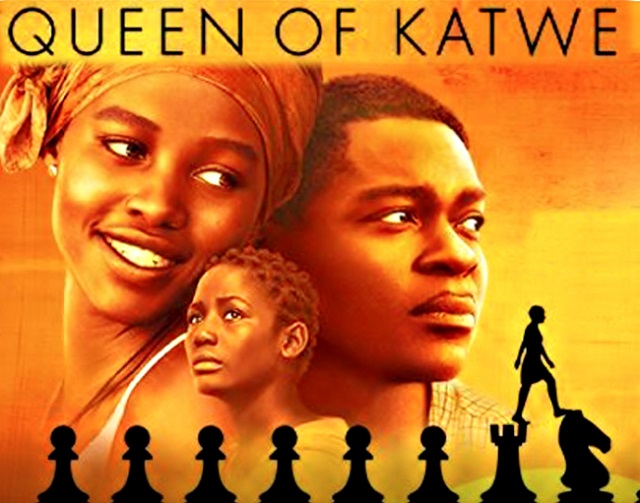

Raisedon Baya
THIS year alone I watched over two dozen films, mostly Hollywood made, but two really stood out for me — these I really enjoyed and have kept copies to watch whenever I need some inspiration. Both films are based on true life stories — and whoever said fiction was better than true stories told a serious lie. Both are about Africa, written by men but directed by women. Both were big budget films by any African standards. Their only difference is that one follows the life of a young girl as she fought to get out of the slums and the other a young lawyer who later became the president of an African country. Another minor difference is that one was produced by a British film company while the other by Walt Disney Pictures, an American company.
The first film, and perhaps my personal best this year, is Queen of Katwe — about a Ugandan slum girl, Phiona Mutesi, whose life changes dramatically after being introduced to the game of chess. From the Kenyan slums Mutesi goes on to become a Women Candidate Master after impressing at the World Chess Olympiads. My second favourite film is A United Kingdom about how Seretse Khama fought to become ruler of Botswana. Both films feature the vastly talented David Oyelowo in the lead. Since his appearance in the film Selma some years back, David Oyelowo has been one of my favourite leading black actors. I try to watch every project he works on.
I fell in love with A United Kingdom, not because it was “well-acted, solidly crafted and all round worthy”, as critics described it but more so because it is a next door story that easily resonated with me. The story, about Seretse Khama finding love and the Kingdom of Botswana, somehow made me see the possibility of retelling some of Zimbabwe’s great stories through film. One wonders why we haven’t seen our own heroes’ stories on stage, books and even film — except perhaps for Flame. Is it a question of not having capable writers to tell our stories or no one interested in investing in our stories? I think there are a lot of Zimbabweans — dead and alive — whose life stories could make for interesting reading or films. Imagine the life of the likes of Tongogara and Lookout Masuku truthfully told to wider audiences. Imagine the stories of Sally Mugabe, Beatrice Mtetwa, Jane Williams, and her Woza activities, Jestina Mukoko, Joice Mujuru and many others being told to anyone who cared to listen.
Seretse Khama’s story somehow revealed to me and obviously to many like me who love telling African stories that Africa is still an unmined gold mine in terms of authentic and inspiring stories — especially stories about love, resilience and humanity.
When A United Kingdom was released Botswana had the same reaction as South Africa had when Mandela’s film featuring Idris Elba was released. The public loved it. They lauded it as a great story that needed to be told to a bigger audience. However, local artistes cried foul, especially about foreigners being paid handsomely to play lead roles at their expense. When Mandela’s film was released South African artistes, including legends like John Kani, questioned why a British actor had been cast to play Mandela when there were many South African actors capable of convincingly playing Mandela.
Many critics went on to condemn Idris Elba’s accent and portrayal of the great man, Mandela. The same happened in Botswana; the ordinary person in the street was happy to see the story of their great Seretse Khama on the big screen but local artistes cried foul — they felt left out and sidelined. For Botswana it was worse. The lead roles went to established Hollywood and British actors and the meaty supporting roles were given to established South Africa actors like Vusi Kunene and Terry Pheto. In a way Batswana artistes were total spectators in their own story.
The casting issue is basically about business. It’s always about the box office. Producers prefer bankable actors playing leads so as to attract audiences and in the process make loads of money. The problem with most local actors is that they are not known beyond their own borders and that tends to limit the market. Mandela — Long Walk to Freedom grossed over 28 million US dollars. Not really bad. But perhaps it was the Mandela magic that drew crowds to see movie. Queen of Katwe was a box office flop — perhaps because the story of the young chess player is unknown to most film audiences — especially in Europe. A United Kingdom didn’t do so well too. It grossed about 14 million US dollars against a production budget of the same figure. At least it broke even. Poor performances at box office continue to be the greatest threat against African stories being told at bigger stages. Poor box office performances will continue to haunt local artistes, especially when it comes to playing lead characters — the business side will always influence how films about Africa are made in Africa.


 derick.khumalo