Online Reporter
Rutendo Nyeve
Victoria Falls Reporter
THE International Telecommunication Union Regional Development Forum for Africa 2026 has declared that Africa’s digital future will not be imported, but must be home-grown.
The forum, which is underway in Victoria Falls, has convened ministers, regulators, and industry leaders from across the continent.
“Africa’s solutions will not be imported; they must be home-grown,” said Minister of ICT, Postal and Courier Services Tatenda Mavetera.
“In Zimbabwe, we have chosen not to wait. We are building what we hope can be a living blueprint for the continent.”
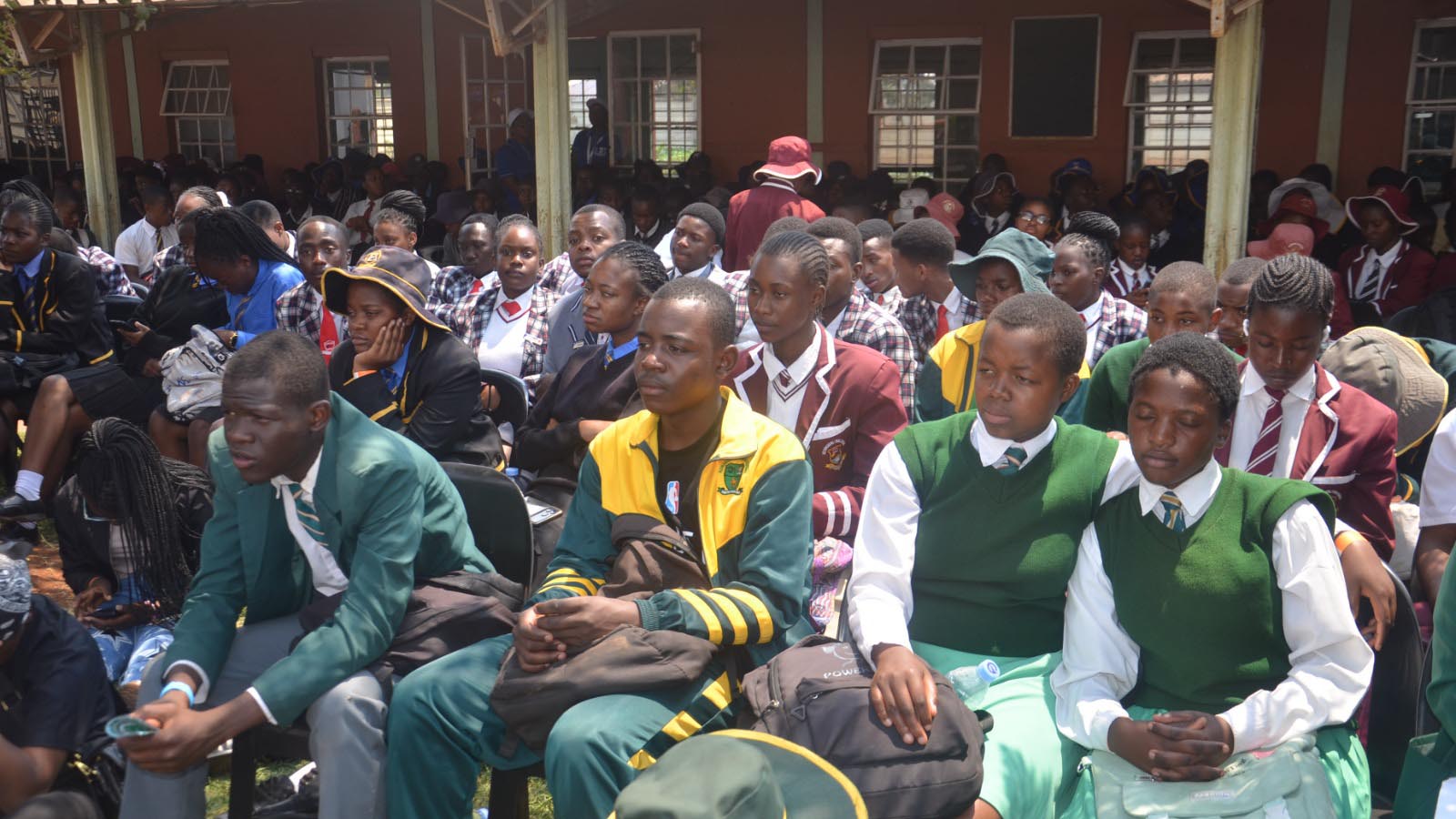
She said Zimbabwe has taken concrete strides, connecting approximately 8 000 primary and secondary schools through satellite technology under the Presidential Internet Scheme, mobilising over US$200 million to launch a domestically-owned communications satellite, launching the Zimbabwe National Artificial Intelligence Strategy (2026-2030), and consolidating a harmonised National Data Centre.
“These actions are not merely national projects. They are Zimbabwe’s investment in the African vision. We share our learnings, our challenges, and our successes because Africa’s digital rise will be collective, or it will not be whole,” she said.
The forum is being held under the theme: “Universal, meaningful and affordable connectivity for an inclusive and sustainable digital future”.
African Telecommunications Union secretary-general Mr John Omo reminded delegates that, while mobile contributions to Africa’s economy are projected to reach US$270 billion by 2030, the continent cannot remain merely a consumer of foreign systems.
“Our countries cannot be present only as users of systems designed elsewhere, governed elsewhere, financed elsewhere.
“We need stronger participation in standards. We need equal policy coordination. We need better prepared projects. We need stronger national and regional institutions,” said Mr Omo.
Artificial intelligence without African data, African languages, African institutions and African regulatory capacity would not serve the societies that Africans live in.
Postal and Telecommunications Regulatory Authority of Zimbabwe director general, Dr Gift Machengete, challenged the continent to confront the ethical dimensions of emerging technologies.
He raised the prospect of AI-powered synthetic humans and digital resurrections, technologies that could fundamentally redefine life and death.
“As Africans, we must ask ourselves: is this the future we want? If Africa does not actively participate in shaping artificial intelligence and emerging technologies, then the future may be designed without African values, African cultures, African spirituality, African languages, and African perspectives,” said Dr Machengete.
He called for AI systems that understand Kiswahili, isiZulu, Shona, Yoruba, Hausa, Amharic, and other indigenous languages.
“A continent whose languages and values are absent from artificial intelligence systems risks becoming invisible in the future knowledge economy,” he said.
Minister Mavetera laid out five foundational pillars for the continent’s digital transformation: universal access reaching the last mile, affordability with just pricing, digital skills for meaningful connectivity, locally relevant content in African languages, and digital sovereignty over data and infrastructure.
Citing an Ethiopian proverb, “When spider webs unite, they can tie up a lion”, she said digital exclusion is the lion Africa must together subdue.
The forum continues today with a Partner2Connect matchmaking session, where delegates will align global pledges, already exceeding US$82 billion, with specific African needs.