


 Online Reporter
Africa Business Insights
Stephene Chikozho
BENEATH Africa’s soil lie fortunes: gold, copper, uranium, emeralds and oil.
Yet, as these resources fuel industries and economies oceans away, the continent remains shackled by a system that extracts wealth while perpetuating poverty.
From Mali’s gold to Angola’s crude oil, a staggering pattern emerges: Africa’s riches are siphoned abroad, leaving its nations with crumbs.
Bountiful resources, empty vaults
Mali and the Democratic Republic of Congo (DRC) collectively host 19 gold mines. Worryingly, their central banks hold zero gold reserves.
Meanwhile, France — a nation with no active gold mines — boasts the world’s fifth-largest gold reserves. The contradiction underscores a brutal reality: raw materials mined on African soil end up stored in foreign vaults.
Canada, Australia and former colonial powers retain control over Africa’s mineral wealth, reaping profits while source nations grapple with debt and underdevelopment. In the DRC, the Kibali gold mine — Africa’s largest — produced US$1,4 billion in 2024. Canada’s Barrick Gold took 97 percent of the profits, leaving the DRC with a mere 2,9 percent in royalties.
Similarly, Zambia’s copper, critical to global green energy, generates billions for Swiss and Chinese processors, while Zambia itself earns a fraction.
“We are digging our poverty,” laments Kinshasa economist Jean-Baptiste Kaseba.
CFA Franc: Currency
as colonial control
Fourteen African countries still use the CFA Franc, a currency printed in France, pegged to the euro and backed by reserves held in the French Treasury.
Member countries are required to deposit 50 percent of their foreign exchange reserves in France — a relic of colonial rule that stifles monetary sovereignty.
“This isn’t just economic dominance; it’s a leash,” argues Senegalese activist Aïssata Diallo. “Our fiscal policies are dictated by a foreign power.”
Banning neighbours, enriching strangers
African nations routinely prioritise distant markets over regional partners.
Tanzania bans Malawian maize; Malawi retaliates by blocking Tanzanian flour.
Meanwhile, Kenya imports US$250 million in wheat from Russia while Tanzania sits on 2,1 million tonnes of maize. The DRC spends US$79 million on Polish chickens despite Tanzania’s surplus.
Mozambique buys Portuguese wine, ignoring South Africa’s thriving vineyards.
In the Southern African Development Community (SADC), 15 nations spend US$2,6 billion monthly on Middle Eastern and Asian fuel, bypassing Angola — the region’s sole oil producer.
“Angolan oil is ‘too dirty’,” scoffs a Lusaka-based energy analyst.
“But the truth? Refineries here would keep billions in Africa.”
Mining monopolies: Profits over people
Foreign ownership of Africa’s mines reads like a global carve-up:
Mozambique’s Moma Mine (Irish-owned) — US$392 million revenue in 2024; Mozambique received 7,6 percent in taxes.
Malawi’s Kayelekera Uranium Mine (85 percent Australian-owned) — Malawi secured just 3,1 percent of US$387 million profits.
Zambia’s Kagem Emerald Mine (UK-owned Gemfields): 69 percent of profits flowed to London in 2015.
Even agriculture follows the script. Germany’s Jacobs Coffee, which sources beans from Kenya, Ethiopia and Uganda, generates US$9,5 billion annually for its parent company — triple what farmers earn.
“We grow coffee, but Europe brews the profit,” says Ugandan farmer Grace Nakimera.
Unity or exploitation?
The data paints a damning portrait: over US$113 billion in minerals and crops exit SADC nations every decade. Yet solutions exist. Angola could refine its oil for SADC; Kenya and Uganda could process their coffee locally.
The African Continental Free Trade Area (AfCFTA) offers hope, but progress is stymied by infighting and outdated policies.
Rwandan President Paul Kagame’s warning rings urgent: “Our resources are not collateral. Our future is not for sale.”
As Zambia’s copper builds bridges in Toronto and DRC’s cobalt powers European electric cars, Africa faces a choice — continue feeding the world’s economies or reclaim its destiny. The seeds of change lie in Pan-African collaboration, equitable trade and bold leadership. Until then, the plunder continues.
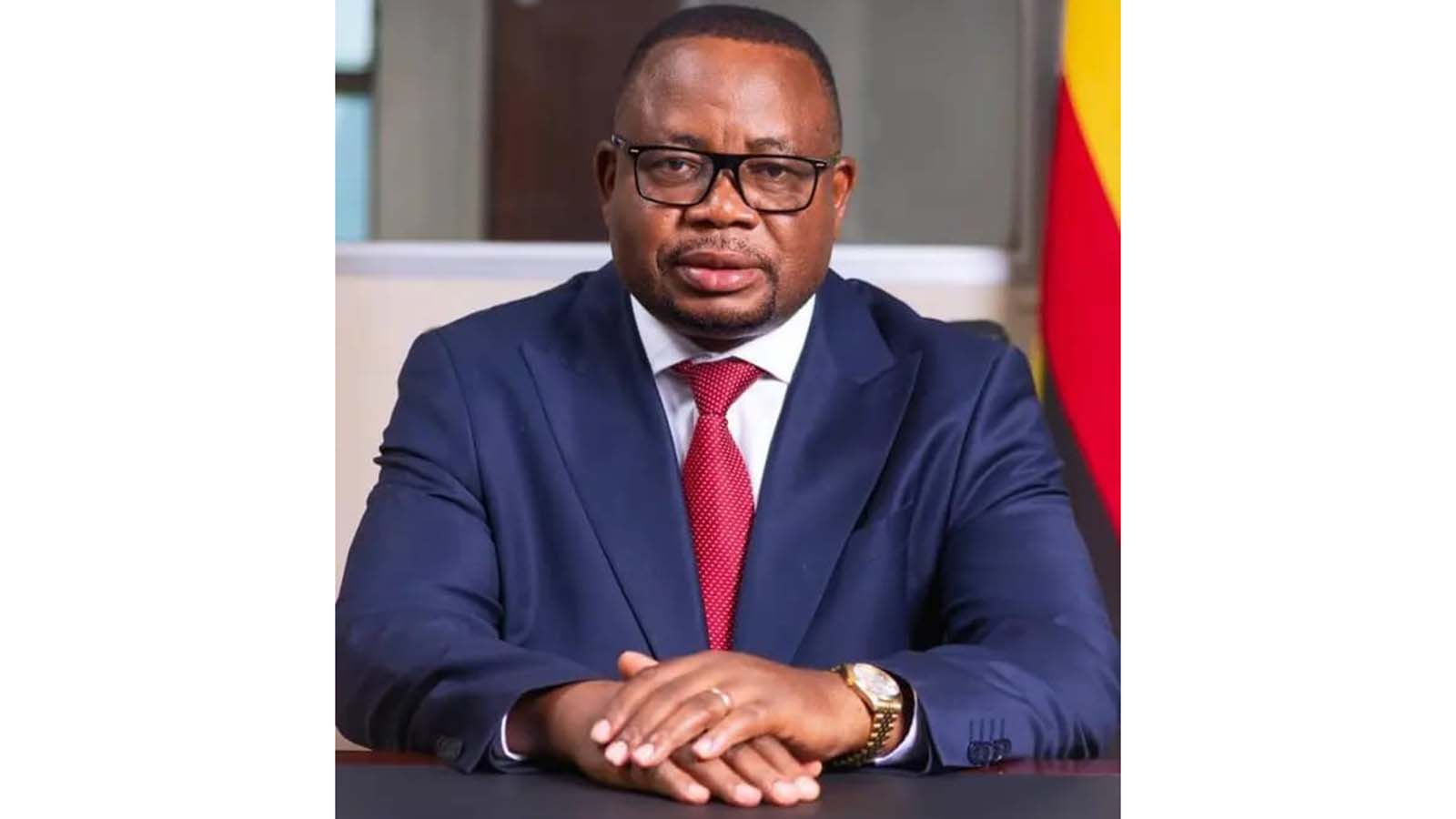
Stephene Chikozho is the chief executive officer of Africa Business Inc, a dynamic and influential platform dedicated to fostering collaboration, innovation and success for businesses in Africa. He writes in his personal capacity. You can follow him on social media (Instagram, Facebook, X, LinkedIn, Threads) WhatsApp +263772409651 or emailceo@ africabusinessinc.com


 Online Reporter