Online Reporter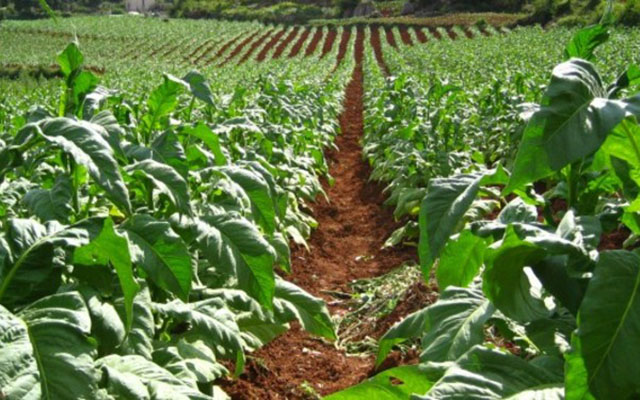
Business Reporter
THE agriculture sector’s rebound is expected to propel strong growth in sales across key sub-sectors of the Zimbabwe economy, ultimately benefiting associated businesses, according to farming-related firms.
The strong performance of the sector this year, it is anticipated, will drive business in the agro-processing, transportation and rural retail sub-sectors and related value chains.
Given its strategic importance to the domestic economy, the sector is expected to contribute significantly towards Zimbabwe’s economic growth target of 6 percent this year, following the muted 2 percent expansion last year.
A strategically important economic segment of Zimbabwe’s economy, agriculture is projected to recover and grow by 12,8 percent in 2025, following a 15 percent contraction in 2024 due to the impact of the El Niño-induced drought.
This growth forecast will be driven by a bumper winter wheat harvest, likely to be higher than initially projected, coupled with good maize and tobacco harvests this season after the good rains received in the 2024/2025 season.
In that regard, the manufacturing sector is now expected to grow by 3,1 percent in 2025.
“Agriculture is projected to grow by 12,8 percent in 2025 with recovery anchored on improved rainfall, greater access to inputs, and favourable producer prices,” said FBC Securities in its 2025 half-year report.
“Agricultural sector recovery is driving higher input sales, agro-processing capacity, freight volumes and rural retail activity, turning around fortunes of economic agents in those spaces.”
The growth in agricultural output will positively impact agro-processing, including food, livestock and poultry feed production.
“This would, in turn, increase economic activity.
The development would also cascade to beverages manufacturing sub-sectors.
Analysts expect agriculture’s strong out-turn to stimulate spending of disposable incomes across various sectors of the economy, including construction.
Players in clothing and retail, beverage manufacturing, motoring and construction, as well as household appliances suppliers, are already bullish about sales prospects on the back of agriculture’s upswing.
Similarly, agriculture’s recovery could benefit logistics and transportation companies, as freight volumes rise due to increased transportation of crop produce to markets and processing facilities countrywide.
Unifreight group chief executive officer Mr Richard Clarke said his company had secured new contracts and expanded its fleet to transport increased volumes amid an outstanding tobacco harvest in 2025.
“Tobacco remains key to our strategy and with a bumper tobacco crop expected in 2025, we will transport substantially higher tobacco volumes for our clients; we have secured additional merchant contracts and expanded our fleet accordingly,” he said.
In rural areas, agriculture’s recovery is translating into increased retail activity as farmers’ incomes rise, propelling spending in local shops and other businesses, stimulating economic activities in these areas.
This comes as Zimbabwe this year surpassed its previous record of tobacco production, achieving a historic milestone, with over 300 million kilogrammes (kg) sold by farmers this season.
As of June 30, farmers had sold a record 323 million kg of the crop, a 47 percent increase from 219 million kg sold in the same period last year, benefiting from growth in contract farming and price stability.
This achievement marks a significant milestone for the country’s tobacco industry, after it exceeded the previous record of 296 million kg achieved in 2023, according to the Tobacco Industry and Marketing Board.
Tobacco is one of Zimbabwe’s largest export earners, along with gold and platinum.
The country is the largest tobacco leaf producer in Africa. Additionally, it is the fourth-largest globally for flue-cured tobacco.
The Southern African nation has witnessed marked growth in wheat production in recent years, achieving record highs and moving towards self-sufficiency.
This year, it expects to harvest a minimum of 600 000 tonnes (t) from the winter crop, exceeding the national requirement of 360 000t.
In 2024, it produced 563 961t of wheat, surpassing its previous record of 465 548t in 2023, attributable to Government initiatives and collaborative efforts with banks and farmers.
A significant rebound is also anticipated in maize production for the 2024/2025 season, with projections pointing to upwards of 2,3 million tonnes following a recovery from the devastating drought in the 2023/2024 season.
El Niño-induced drought had wiped out about 70 percent of the country’s rain-fed crops.
African Distillers chairman Mr Matlhogonolo Valela said he was excited about the business growth prospects following the successful 2024/2025 agricultural season.
“The company remains optimistic on economic growth from a favourable agricultural season, growth in mining, tourism and infrastructure development. These factors are anticipated to create opportunities for increased activity and business growth,” he said.
The strong growth in agriculture will be complemented by stellar performance in horticulture, which is poised for similar impressive growth in production this year, driven by hectarage growth and orchards reaching maturity, particularly for high-value fruits like avocados, citrus and blueberries.
Blueberry production is projected to grow by 50 percent to 12 000t this year, a rise from 8 000t last year.
Agriculture contributes significantly to employment, raw material supply and export earnings.
While its direct contribution to GDP is 11 to 14 percent, it supports livelihoods for approximately 70 percent of the population and provides 60 percent of the raw materials for the manufacturing sector.
Furthermore, about 45 percent of the country’s exports are agricultural products.



 Online Reporter