admin
admingrowths.
The giants that have emerged in Asia have generally excelled in research. They have identified areas where they can be the best in the world and have proceeded to put their resources into the development of those areas.
The high-tech business has been good for Asian countries and drives their economies today. Behind that success has been research and development. They deliberately put a sizeable amount of money into research and development and the results have been fantastic.
Apart from research units in individual companies they have platforms for national research, which has been directed and funded by the governments of those countries.
Zimbabwe’s economy is agro-based and it makes sense for us to invest in research and development in that sector in order to get the best out of it.
The land reform programme has come at a big cost to our economy as those opposed to it responded by putting every conceivable stumbling block on the way to prove that blacks cannot be good farmers. The onus is on us to prove them wrong by making maximum use of the land and getting the highest yields possible.
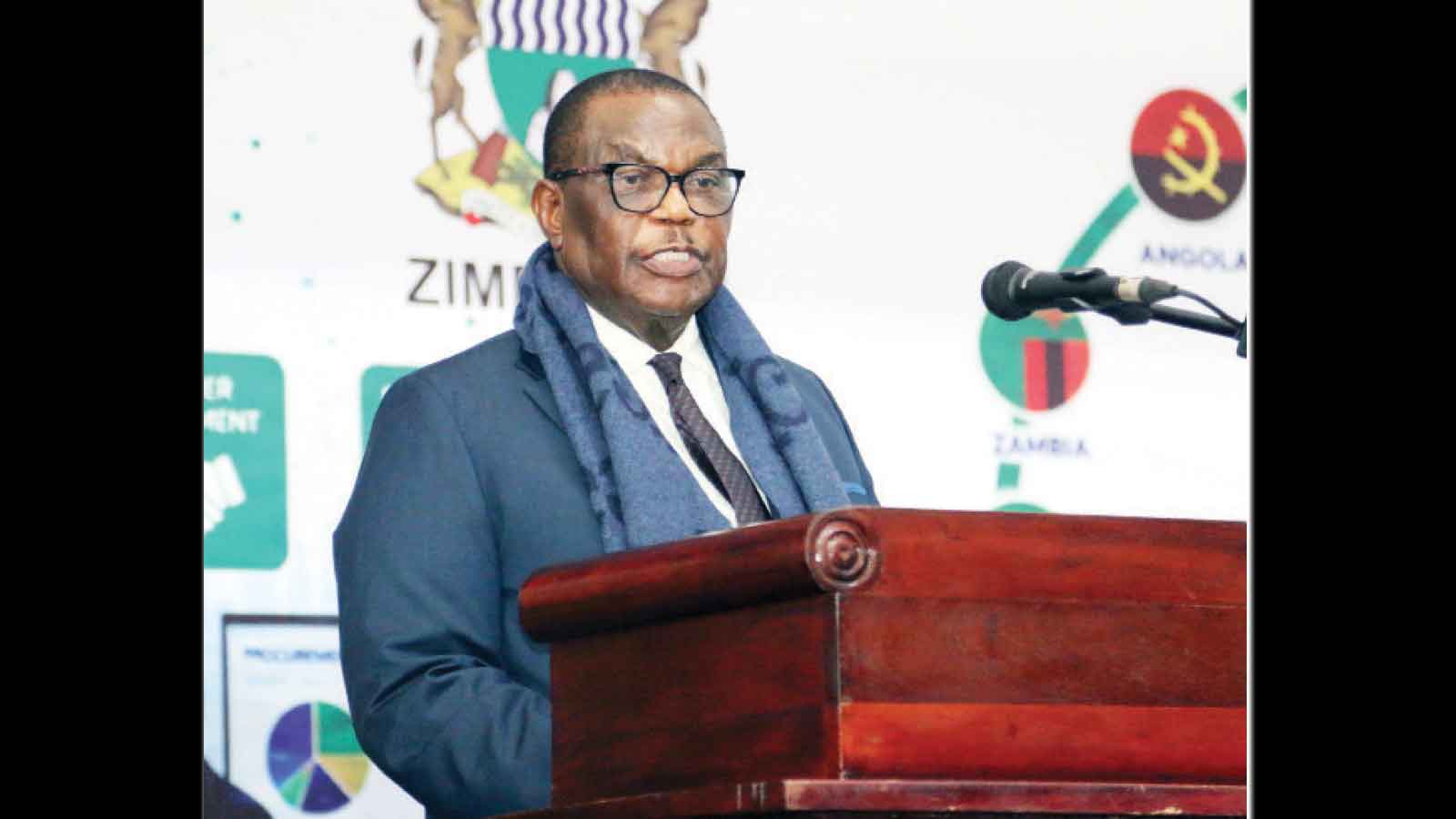
On Monday, Agriculture, Mechanisation and Irrigation Development Minister Dr Joseph Made unveiled a new board for the Agriculture Research Council, which he challenged to inject new life into agricultural research to support farmers.
The board has an impressive skills mix and is made up of men and women who have distinguished themselves as researchers in their various fields. They should have no problems understanding their mandate and getting on with the job.
What we are not sure of is whether or not the inclusive Government is prepared to spend money in research and development of agriculture. Their funding of agriculture has been disappointing in the past two or so years and we will be interested to know what portion of the funding for the Ministry of Agriculture, Mechanisation and Irrigation Development is reserved for research.
In the last decade, investment into research is reported to have increased by 20 percent in sub-Saharan Africa but it took place only in Nigeria, Ghana, Tanzania, Uganda and Sudan. The other countries have simply spent money importing food instead of improving their methods of growing it.
This is at time when food prices are increasing and there is need to increase spending on agricultural research to reduce hunger and poverty.
It is now being recommended that countries should spend about 10 percent of their budgets on agriculture if they are to effectively fight hunger and poverty.
The new ARC board may need to begin to think outside the box in terms of how they are going to fund their activities. A good leader is one who can raise the resources needed to support his or her vision.
Perhaps what has been the biggest handicap of local research is that those who benefit from it are not willing to fund it. If we can levy people to fight HIV/Aids why can’t we also levy them to fight hunger and poverty? Relying on foreign funding may be tricky given the major donors’ attitude to Zimbabwe’s land reforms.
In giving policy direction the board is likely to excel given the expertise and experience that the members are bringing into the boardroom. But as pointed out by Minister Made it is important that their research be directed at answering the questions that farmers have.
Global warming and the whole climate change phenomenon is a big challenge to local farmers who appear ill-equipped to understand what is going on and how to effectively respond, especially those involved in crop production.
The seed companies have done their best to come up with seed varieties for the different agricultural regions but still the yields have been far from impressive. A big part of Zimbabwe is presently ravaged by drought and yet farmers insist on growing crops that are not suitable for those regions.
Livestock production is an area that clearly needs further research as it will increasingly become important for farmers in the Matabeleland regions, Masvingo and parts of Manicaland where cropping is proving unviable.
Appropriate technology will also be required to support agriculture. Our farm mechanisation has largely been supported by foreign technology, yet we have the right academic and mental aptitude to be come up with appropriate technology locally.
The scope for research is quite wide and there is a lot of research going on in different institutions but we are not sure if there is enough collaboration among them to harness the information and use it to boost our agriculture.
The ministry itself has its own department of Research and Specialist Services and most of the universities have faculties of agriculture, which are doing important research.
The minister has done well to draw his board from some of these institutions and hopefully it will now be easy to create the necessary synergies.
The International Food Policy Research Institute has been advocating Africa-wide agricultural research goals and the need for collaboration in order to achieve maximum impact in food production.
According to a recent report by the institute the decline in per capita food production in Africa signals an urgent need to revitalise agricultural research and puts emphasis on demand-led approaches and avoidance of duplication.
The AFC board will need to be adept at co-operating with other research bodies elsewhere on the continent to keep in touch with the latest trends in agricultural research policy and implementation.


 Online Reporter