Blessings Chidakwa
Senior Reporter
AGRIC4SHE Patron, First Lady Dr Auxillia Mnangagwa, has reaffirmed her commitment to transforming Zimbabwe’s rural communities through Agrotourism, describing it as a powerful tool for sustainable livelihoods, rural industrialisation and women’s empowerment.
Dr Mnangagwa said this at the oversubscribed two-day Agrotourism Research Conference held at Mukoto Village, Ward 31, in Buhera, Manicaland Province, over the weekend.
The conference built on the success of the Agrotourism4She Programme launched by the First Lady in the district last year, an initiative that has since inspired communities to harness agriculture, culture and heritage as engines for economic transformation.
It views agriculture as more than food production, but as a catalyst for economic empowerment, rural industrialisation and cultural preservation.
The programme, which falls under the First Lady’s Agric4She initiative, is equipping women with knowledge and practical skills to commercialise agriculture through value addition, gastronomy, cultural experiences and farm-based tourism, creating new income streams for rural families.
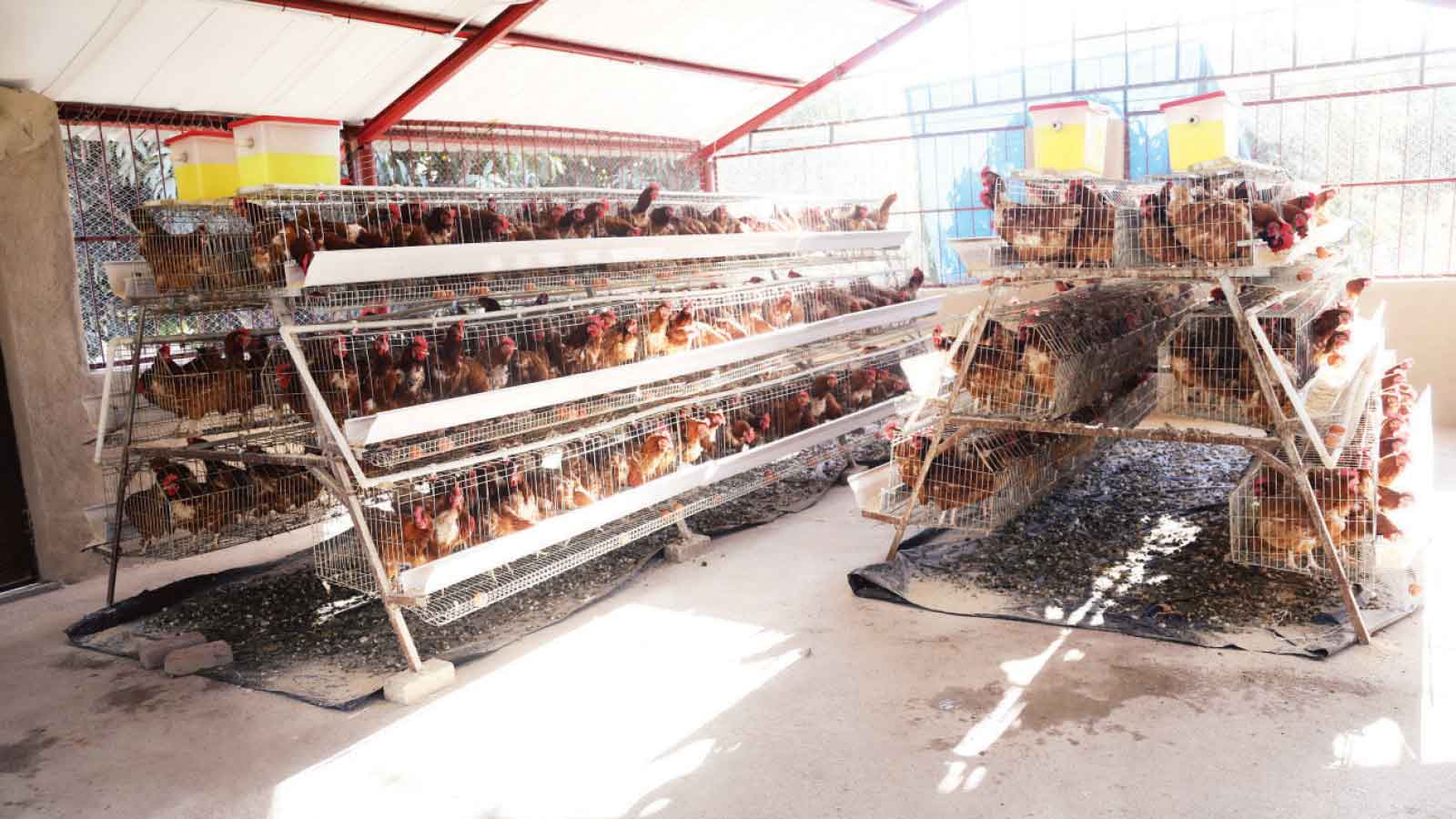
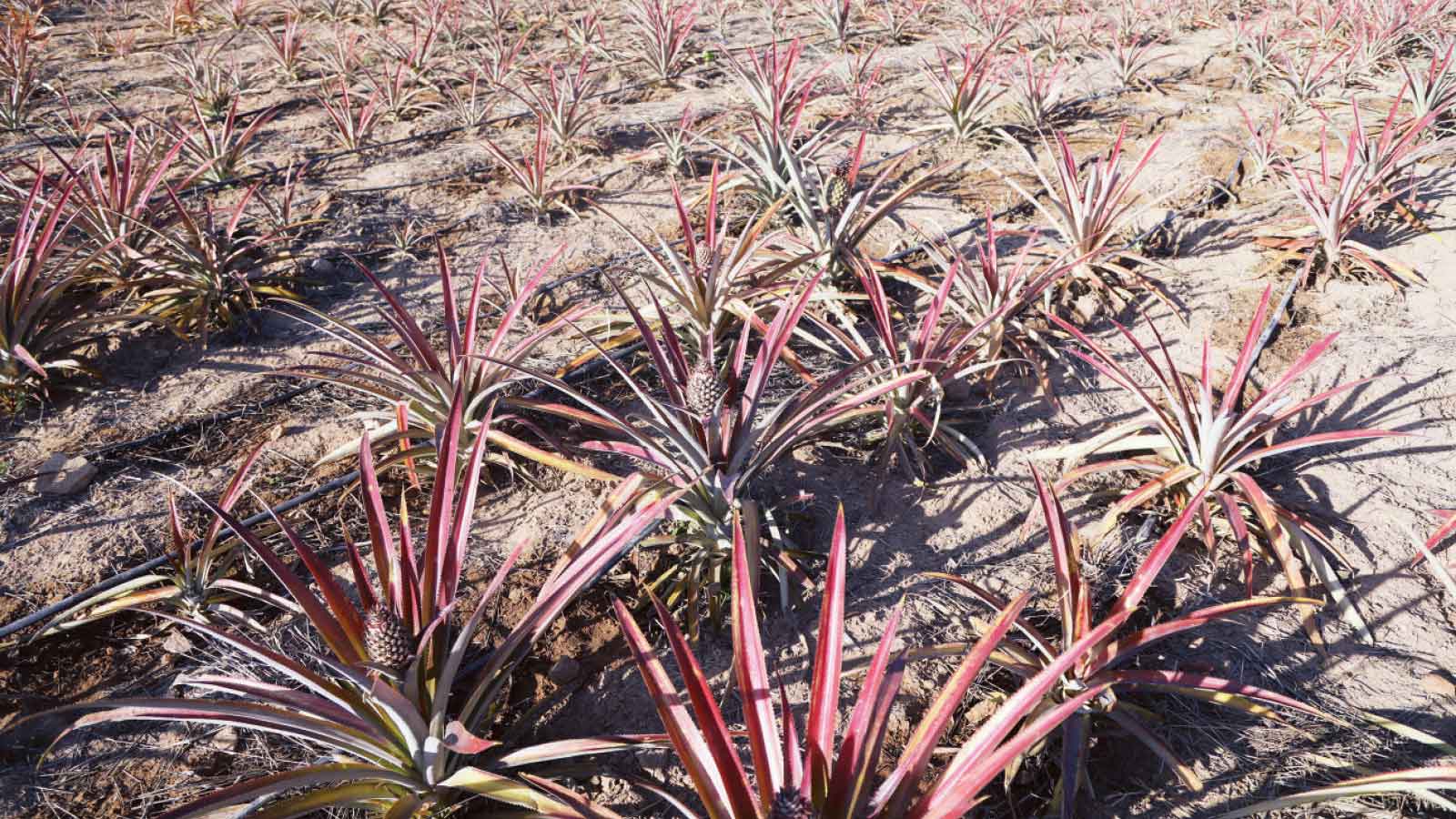
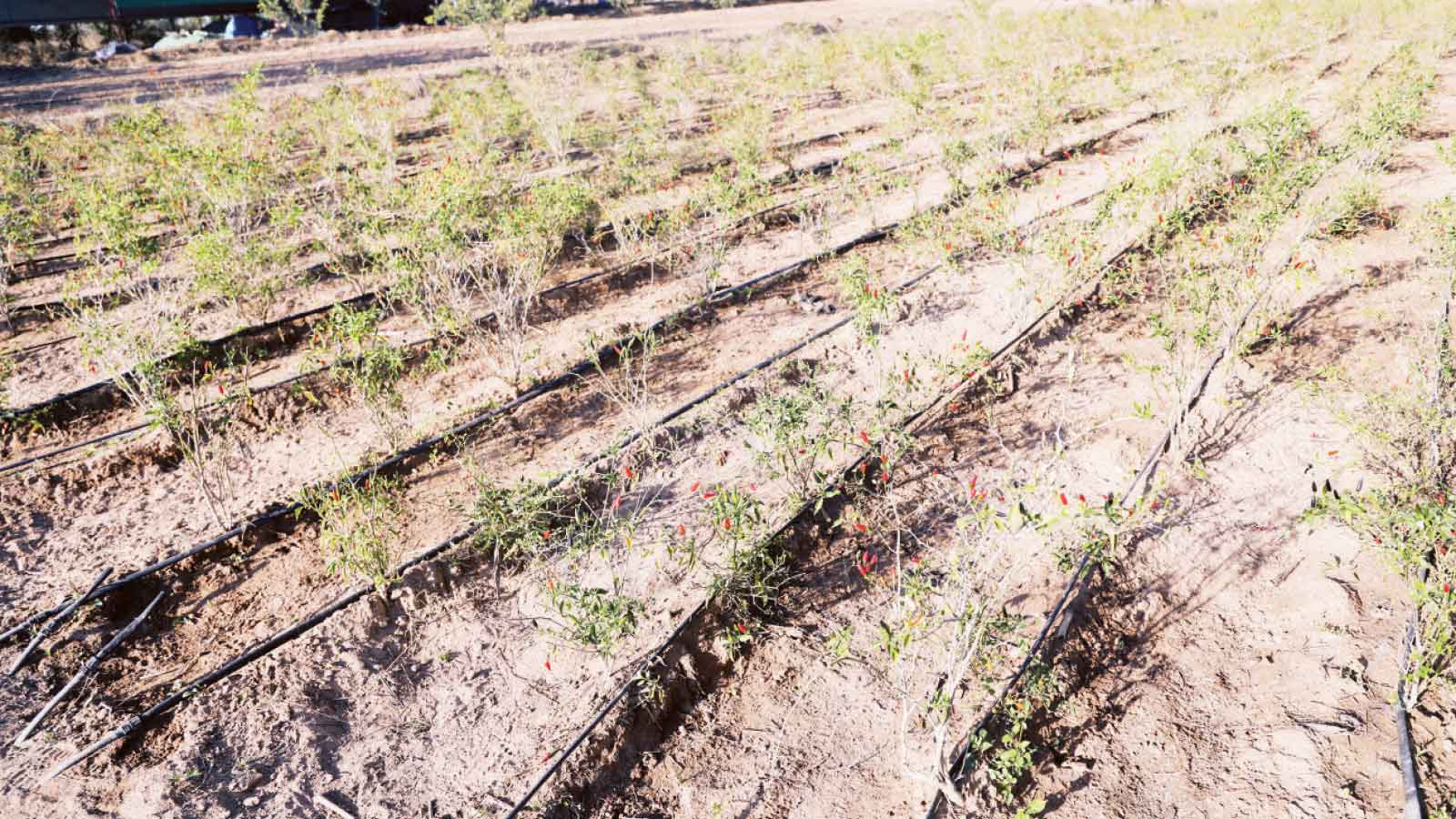
To commence the programme, Dr Mnangagwa toured the farm of the conference host, Agric4She beneficiary Mrs Christina Taranhike, commonly known as Mai Chimuti, where she was shown various agricultural produce, including pineapples, cabbages, chillies and vermi compost, which she uses as organic fertiliser.
Dr Mnangagwa was also shown a factory under construction that will be used for value addition to the farm’s produce.
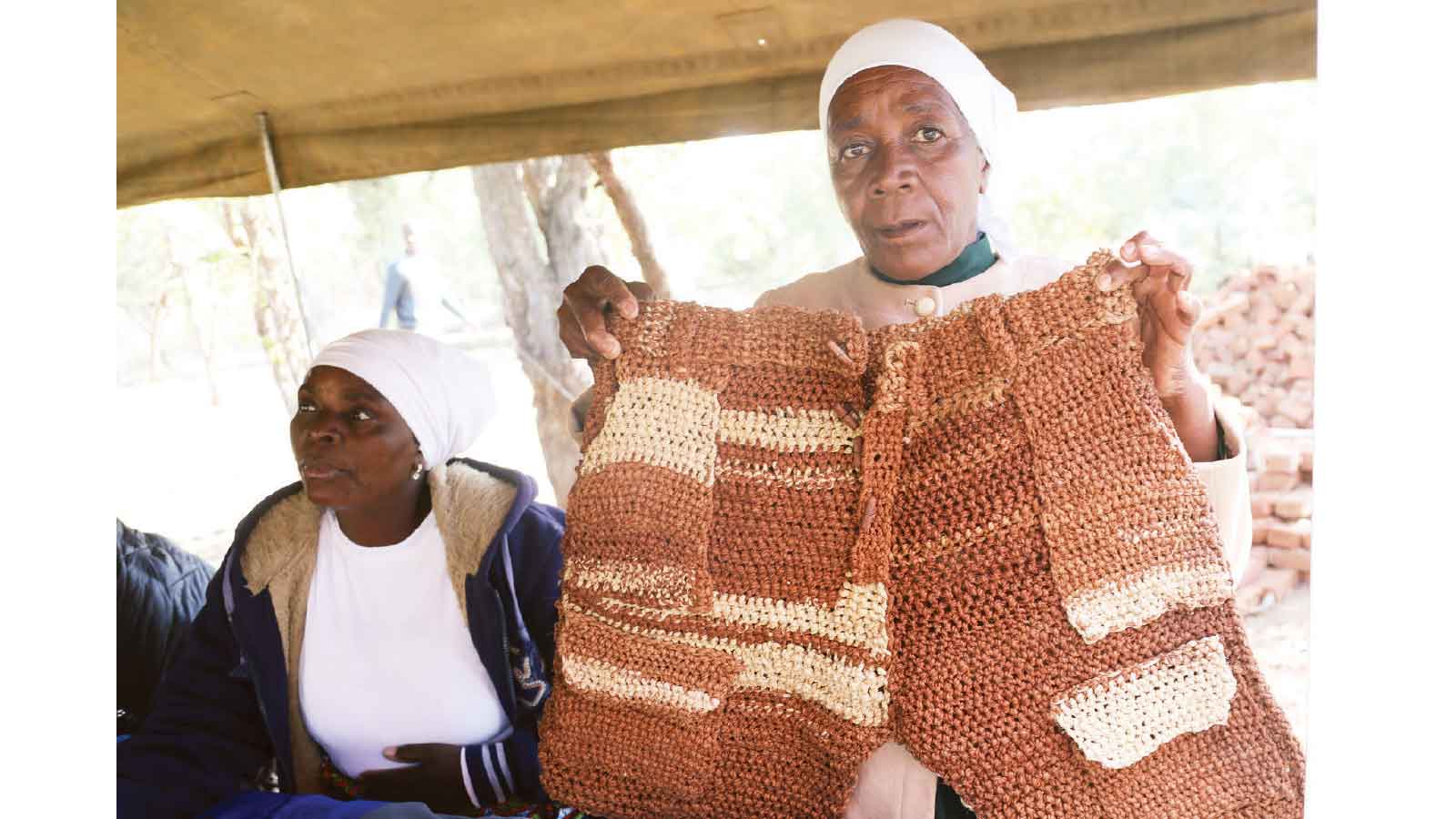
The First Lady then proceeded to tour exhibition stands showcasing agricultural innovations and value-added products, including hute wine, tsubvu cake, pumpkin biscuits, madhumbe flour, baobab products (chocolates and coffee), handcrafts and community-based tourism enterprises inspired by the First Lady’s empowerment initiatives.
An impressive display of traditional cuisine, meticulously prepared using indigenous ingredients, demonstrated Zimbabwe’s rich gastronomic heritage, while intricately crafted baskets, pottery, wood carvings and other artefacts reflected the country’s diverse cultural traditions.
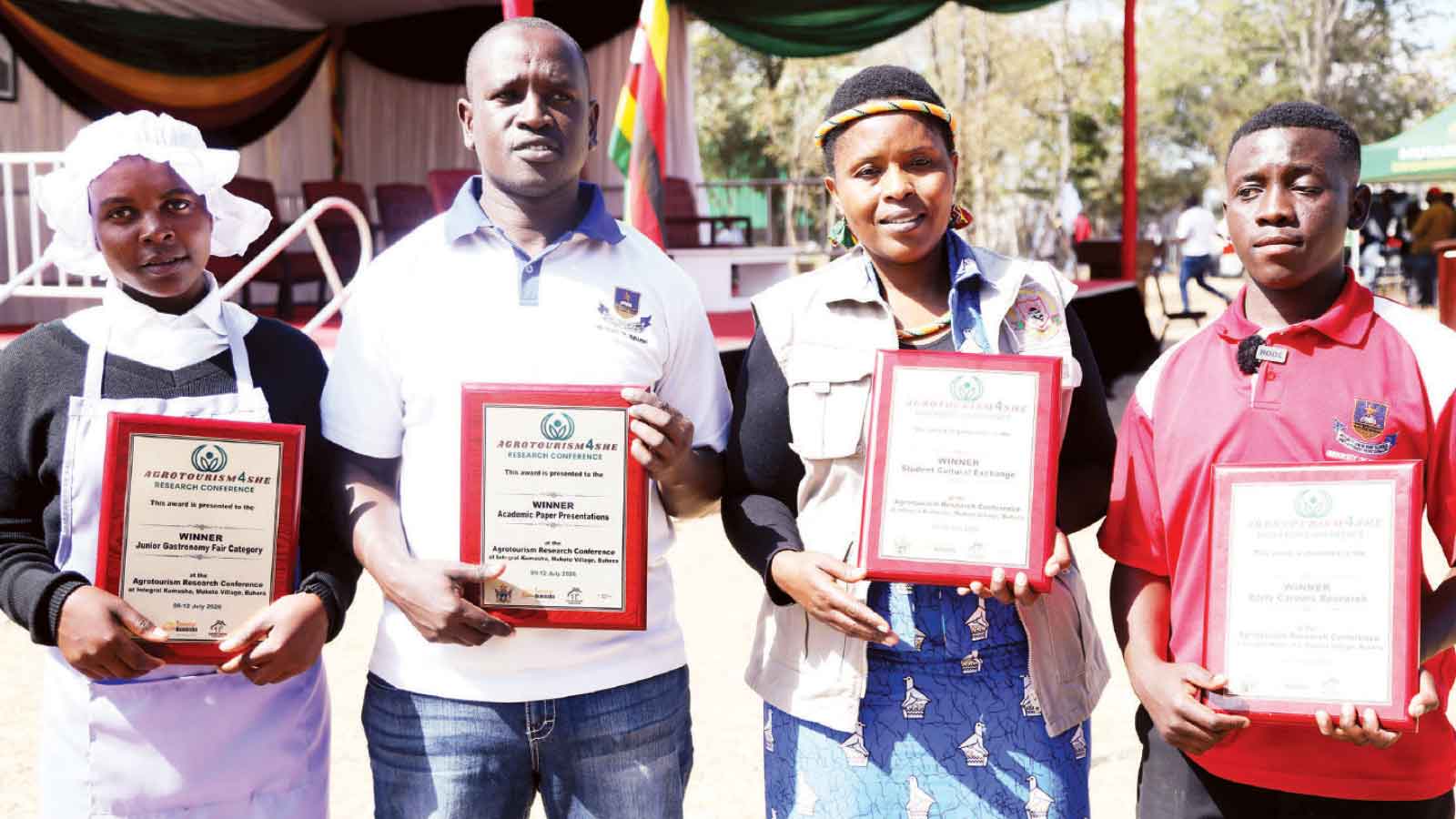
Exhibitors demonstrated the nutritional, medicinal and commercial value of indigenous foods, highlighting their potential to attract tourists while improving household incomes. Outstanding exhibitors were later honoured with certificates of appreciation in recognition of their innovation and contribution to advancing agrotourism in Zimbabwe.
The conference brought together academics, universities, colleges, exhibitors, tourism and agriculture stakeholders, Government officials and community members from all the country’s 10 provinces to deliberate on the growing role of Agrotourism in achieving sustainable development.
Before delivering her keynote address, the First Lady appealed to Zimbabweans to warmly receive loved ones returning home from neighbouring South Africa, saying families should embrace them with love, dignity and compassion as they rebuild their lives.
“I recently travelled to Beitbridge to welcome home our fellow Zimbabweans returning from South Africa. I want to urge all communities that whenever our children and fellow citizens come back home, let us receive them with open arms and love.
“They are returning to their homeland, where they belong. Let us not ask them why they left, what they have brought back, or what they were doing while they were away. Instead, let us embrace them as our own sons and daughters,” she said.
Dr Mnangagwa added: “Welcome them with compassion, dignity and understanding. Let us work together, till the land together, rebuild their lives together and develop our nation together. Zimbabwe is their home, and they deserve to be received with love and unity.”
Turning to Agrotourism, the First Lady said agriculture should no longer be viewed solely as a means of producing food but as an industry capable of attracting visitors through farm experiences, traditional cuisine, cultural activities and value-added products.
Dr Mnangagwa said it had evolved from Zimbabwe’s long-standing tradition of welcoming visitors into rural homes into a recognised pillar of the country’s tourism industry, transforming homes into tourism destinations where visitors experience Zimbabwean hospitality, culture and traditional gastronomy.
“Agrotourism is not entirely new to us as a people. Long before it carried a formal name, we welcomed visitors to our homes, prepared delicious traditional meals and played traditional games with them.
“We would share the story of the harvest, the rhythm of the seasons and the wisdom passed from one generation to the next,” she said.
Dr Mnangagwa said the Agric4She Agrotourism Programme, which she launched in Buhera in May last year, was changing rural livelihoods by moving communities beyond selling raw agricultural produce to offering complete tourism experiences.
“We are moving from simple produce stalls and harvest tours to fully fledged farm stays and value addition demonstrations that allow visitors to witness the whole journey from the soil to the table,” she said.
The First Lady said women remained the backbone of Zimbabwe’s agricultural sector and deserved to benefit fully from opportunities created through agrotourism.
“The Agric4She programme speaks directly to my heart because it rightly places women at the centre of the growth of rural economies. It recognises our grandmothers, mothers, sisters and daughters as the backbone of agriculture in this country and that they deserve to be equal beneficiaries of the opportunities this sector presents,” she said.
Dr Mnangagwa urged farmers and tourism operators to work together in developing authentic tourism experiences that showcase Zimbabwe’s agricultural heritage.
“Farmers bring the produce and the authenticity that visitors crave, while tourism operators bring the hospitality expertise and the platforms to package these experiences for the world,” she said.
She encouraged the formation of partnerships, cooperatives, joint ventures and community trusts to ensure the benefits of Agrotourism were widely shared.
Dr Mnangagwa pledged to continue championing agrotourism as part of Zimbabwe’s rural development agenda, saying the initiative would contribute to the establishment of more rural tourism hubs, increased value addition and rural industrialisation in line with the Government’s development thrust.
She said the Government had recognised Agrotourism as an important vehicle for rural economic transformation that retains value within communities while broadening Zimbabwe’s tourism offering beyond traditional attractions.
“The devolution agenda is bearing fruit as we continue to record significant milestones,” she said.
Dr Mnangagwa applauded the Ministry of Tourism and Hospitality Industry for equipping rural women and youths with skills that support the objectives of the Agric4She Agrotourism Programme.
She also commended educational institutions, researchers and businesses exhibiting at the conference, saying their innovations demonstrated the growing potential of the sector.
The First Lady commended women in Manicaland, particularly those from Buhera District, for embracing the initiative and successfully hosting the research conference within rural communities.
Dr Mnangagwa also congratulated Mrs Taranhike for spearheading the agrotourism drive and urged stakeholders to establish more centres of excellence across the country.
“Indeed, now is the time for accelerating cultural expressionism, empowerment and entrepreneurship through agrotourism,” she said.
Mrs Chimuti applauded Dr Mnangagwa’s vision, saying the Agrotourism Programme had opened new opportunities for communities while creating a platform for knowledge-sharing and collaboration.
“This initiative has demonstrated that communities themselves are the drivers of development. It is bringing together farmers, researchers, entrepreneurs and cultural practitioners to unlock the immense potential that exists in our rural areas,” she said.
“Our First Lady taught us that a woman should utilise the land productively to produce food for her family and generate income.”
Mrs Chimuti said the Agrotourism Programme had changed the community’s mindset from dependency to productivity.
“In the past, people in Buhera were known for waiting for assistance from NGOs, but today we are working with our own hands to improve our livelihoods. We are grateful to our mother, Dr Mnangagwa, for empowering us to become self-sufficient,” she said.
A veteran academic and renowned agricultural economist, Professor Mandivamba Rukuni, representing universities and colleges, said the programme had successfully bridged the gap between academic research and community development.
He said institutions of higher learning would continue supporting the initiative through research, innovation and practical solutions that strengthen rural economies.
“As tertiary education institutions, we will continue to stand with you. We thank Dr Mnangagwa for this visionary programme that is connecting the rural economy with the urban economy, and we are now witnessing those results,” he said.
“One of the greatest lessons is that development begins with what you already have, not with what you do not have. We also learnt that unity of purpose is essential for success.”
The participants, who excelled in different categories, said the symposium had broadened their understanding of the strong link between agriculture, tourism and culture, inspiring them to preserve indigenous knowledge while developing innovative ways of unlocking value from local resources.
Joint winners of the Academic Paper Presentation category, Forbes Makudza and Godwin Machingambi, said their research explored the Buy Buhera Campaign and its potential to drive Agrotourism by promoting local agricultural products and heritage attractions.
“It encourages communities to support local products and experiences in Buhera. Agrotourism thrives when agricultural production, culture and tourism work together.
“Through research, we are demonstrating how local initiatives can stimulate rural economies, create employment and attract visitors to our communities,” said one of the researchers.
The pair applauded Dr Mnangagwa for providing a platform that allows researchers to contribute practical solutions towards national development.
A representative of Joshua Mqabuko Nkomo Polytechnic from Matabeleland South Province, winners of the Cultural Presentation category, said the competition gave them an opportunity to proudly showcase Venda culture through traditional dances, attire and customs.
“Agrotourism is not only about farming; it is also about celebrating the identity and traditions of our people,” the representative said.
Winner of the Junior Gastronomy category, Ruvarashe Manyere, representing Mombeyarara Secondary School, said the presentation demonstrated how indigenous foods can improve nutrition while creating unique culinary tourism experiences.
“Our menu celebrated traditional foods with proven nutritional value. We served several dishes, including roasted groundnuts and pumpkin seeds as starters, highlighting their health benefits; rice with peanut butter; and sadza rezviyo and mhunga, which are suitable for people managing high blood pressure.
“We also prepared tsubvu juice because it is rich in iron. Through gastronomy, we can preserve our traditional foods while promoting healthier lifestyles and attracting visitors interested in authentic Zimbabwean cuisine,” she said.
Early Career Research category winner Leo Musiyazviriyo said the symposium had strengthened his passion for agriculture, value addition and entrepreneurship.
“I am grateful for this opportunity because it has motivated me to see agriculture differently. Growing up, I watched my mother proudly exhibiting agricultural products, and her example inspired me to venture into agriculture.
“This symposium has shown young people that farming, innovation and value addition can create sustainable businesses while contributing to the growth of agrotourism,” he said.
Minister of Women Affairs, Community, Small and Medium Enterprises Development, Senator Monica Mutsvangwa, commended Dr Mnangagwa’s unwavering commitment to uplifting communities, saying her ministry’s work had been made easier by the First Lady’s hands-on empowerment programmes countrywide.
Minister Mutsvangwa said the First Lady’s programmes begin with strengthening families, describing stable family units as the foundation upon which strong communities and national development are built.
She said Dr Mnangagwa had become synonymous with Zimbabwe’s tourism promotion, adding that her work continued to earn international recognition, including at United Nations conferences, where Zimbabwe’s community empowerment and tourism initiatives are frequently commended.
Minister of State for Manicaland Provincial Affairs and Devolution, Advocate Misheck Mugadza, also applauded Dr Mnangagwa’s leadership, saying the province was already witnessing tangible benefits from the programme through increased community participation, innovation and value addition.
He said the initiative was unlocking the economic potential of rural communities while preserving the province’s rich cultural and agricultural heritage.
The conference was attended by representatives from the University of Zimbabwe, Manicaland State University, Joshua Nkomo Polytechnic, Masvingo Teachers’ College, Chinhoyi University of Technology, Mutare Polytechnic and Kwekwe Polytechnic, among other tertiary institutions.