Online Reporter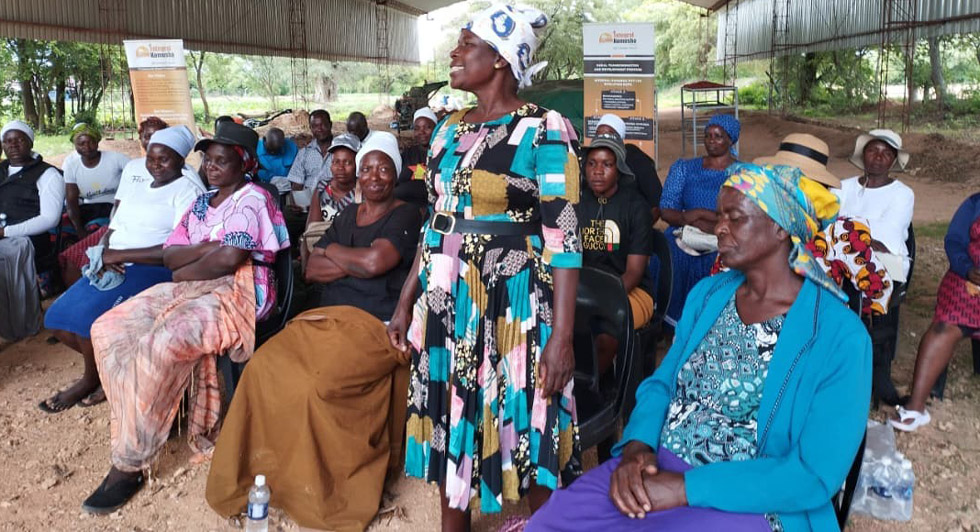
Lloyd Makonya
Correspondent
RURAL women in Buhera District have taken a decisive step towards economic self-reliance following a comprehensive agrotourism training programme facilitated by the Zimbabwe Tourism Authority (ZTA) in Mukoto Village recently.
The training, conducted under the First Lady’s Agrotourism4SHE Programme, brought together an average of 35 participants per day from Ward Seven and Ward 31, comprising women, youths, the elderly and persons with disabilities. The inclusive approach enabled meaningful intergenerational knowledge exchange while laying a foundation for sustainable community-driven tourism development.
The initiative advances the Ministry of Tourism and Hospitality Industry’s strategic thrust of positioning rural tourism as a viable economic pillar.
It was facilitated by ZTA officers, Mr Johnson Maruma and Mr Rangarirai Mafunda, with Integral Kumusha providing technical support and hosting the programme at the Integral Kumusha Homestead.
Over four days, participants were exposed to practical and entrepreneurial aspects of agrotourism, including service excellence, storytelling, homestay standards, tour guiding, branding and pricing strategies.
The programme emphasised identifying locally available tourism assets, understanding visitor expectations and cultivating entrepreneurial mindsets rooted in agriculture and cultural heritage.
Training methodologies combined theory with practical demonstrations and case studies drawn from successful rural tourism models, significantly enhancing participants’ ability to contextualise and apply the concepts within their own communities.
Speaking on the sidelines of the programme, Mrs Christine Taranhike of Integral Kumusha, who offered technical support and availed her homestead as the training venue, said the initiative had a profound impact on rural women in Mukoto.
“This training has equipped rural women in our community with practical skills that make them more self-sustaining. It gives them a solid foundation towards financial freedom by showing them how agriculture, culture and tourism can be transformed into viable sources of income,” said Mrs Taranhike.
One of the facilitators, Mr Johnson Maruma of the Zimbabwe Tourism Authority, said the programme was designed to demystify tourism and make it accessible at community level.
“Our objective is to empower communities, particularly women, to see tourism not as something distant, but as an opportunity embedded in their daily lives, their farms, their stories and their culture. When rural communities understand tourism and own it, it becomes a powerful tool for local economic development,” he said.
The Agrotourism4SHE initiative aligns with the vision of the First Lady of the Republic of Zimbabwe, Dr Auxilia Mnangagwa, to unlock economic opportunities for rural women through tourism. It also supports Zimbabwe’s Vision 2030 agenda by enabling grassroots communities to participate meaningfully in the national economy.
In line with the devolution policy, the programme empowers local communities to harness their unique agricultural and cultural resources for economic benefit. By equipping rural women with tourism and entrepreneurship skills, the initiative promotes inclusive growth, cultural preservation and sustainable livelihoods at village level. A key outcome of the training was the formation of small working groups of no more than four members each. These groups will anchor agriculture-related projects that form the backbone of the agrotourism model, ensuring continuity and peer support beyond the training period.
While the programme has laid a strong foundation, stakeholders highlighted the need for continued capacity building in complementary areas such as financial literacy, sustainable farming, permaculture and organic agricultural practices to further strengthen the community’s tourism offering.
The Mukoto Village training stands as a practical demonstration of how targeted, well-coordinated interventions can transform rural economies while safeguarding Zimbabwe’s rich agricultural and cultural heritage. As participants begin to implement their newly acquired skills, the community is poised to emerge as a model for rural agrotourism development in Manicaland and beyond.
The success of the initiative underscores the importance of collaboration between Government institutions, local organisations and communities in advancing sustainable development that truly leaves no one and no place behind.