Tendai Gukutikwa
Mutare Bureau
The AIDS Healthcare Foundation (AHF) Zimbabwe has called for stronger collaboration between Government, traditional leaders and community structures to protect girls from abuse, child marriage and teenage pregnancies while improving their access to healthcare and economic opportunities.
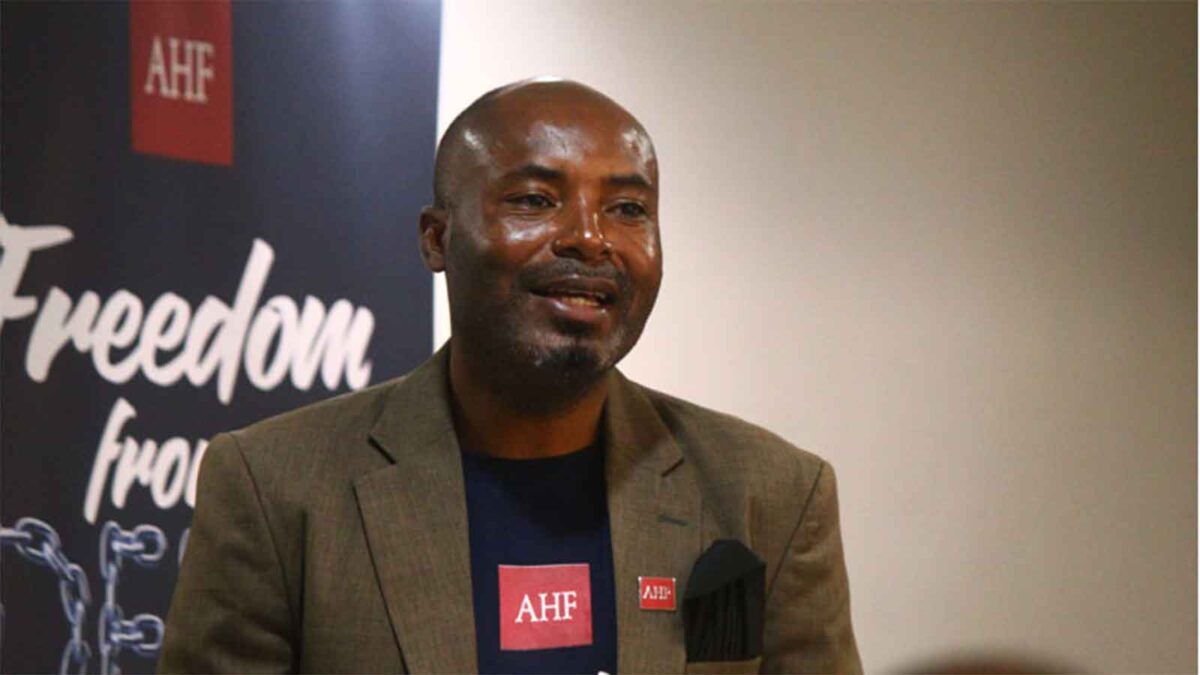
Speaking during the provincial commemorations of the International Day of the Girl Child at Mafararikwa Girls Hub in Mutare recently, AHF Zimbabwe Prevention and Advocacy Manager, Mr Clever Taderera, said addressing challenges affecting girls required sustained community interventions, particularly in areas where access to sexual and reproductive health services and information remained limited.
He said gender-based violence, child marriage, teenage pregnancy and HIV-related stigma continue to undermine the health, education and prospects of women and girls.
“Girls need safe environments in which they can pursue their education and make informed decisions about their health and future without being subjected to discrimination or abuse,” he said.
“Every girl deserves an opportunity to grow, learn and realise her potential, while every woman should enjoy dignity, equal opportunities and access to essential health services.
“However, gender-based violence, child marriage, teenage pregnancy and HIV-related stigma continue to place significant barriers in the way of girls and rural women.
“These challenges affect their health, education, safety and ability to participate meaningfully in community development.”
Mr Taderera said AHF Zimbabwe remained committed to supporting HIV prevention programmes, improving access to health information and services, and addressing stigma and discrimination that discouraged people from seeking healthcare.
He said access to accurate sexual and reproductive health information was particularly important for adolescent girls, who needed the knowledge and support to make informed decisions and protect themselves from preventable health risks.
“Girls and women should be able to access healthcare without fear, discrimination or unnecessary barriers. We must create communities where seeking HIV testing, prevention services and other healthcare interventions is not accompanied by stigma,” he said.
Mr Taderera called on traditional leaders, religious institutions and community organisations to compliment Government in its strengthening efforts to keep girls in school, discourage child marriages and promote gender equality.
He said protecting the girl child could not be left to individual families or organisations, but required communities to challenge practices that exposed girls to abuse and limited their opportunities.
“To our traditional and religious leaders, as well as community structures, we must work together to protect the girl child, discourage child marriage and ensure that girls remain in school.
“We should turn these commemorations into practical commitments that improve the lives of women and girls rather than allowing the challenges affecting them to continue,” he said.
Headman Barnabas Mafararikwa also stressed the importance of traditional leadership in protecting girls and supporting initiatives aimed at improving the welfare of rural women.
He said traditional leaders had a responsibility to work with families, schools and other community structures to discourage harmful practices, address child marriage and ensure that girls were given opportunities to complete their education.
“Traditional leaders have an important role to play in protecting our children and supporting women in our communities,” he said.
“We must work with parents and other stakeholders to ensure that girls are not forced into early marriages or denied the opportunity to go to school.
“We want our girls to grow up in safe environments where they can pursue their education and achieve their ambitions. When women are supported, and girls are protected, the entire community benefits.”
The commemorations were held under the theme, “building resilient, sustainable and inclusive futures by ending child marriage and investing in girls’ rights”