Chronicle Editor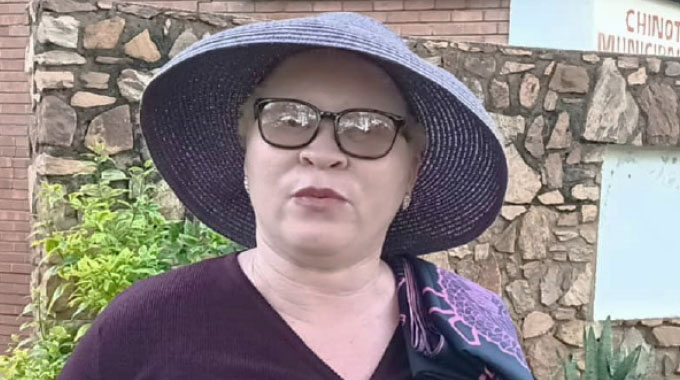
Leonard Ncube, [email protected]
SENZELWE Jubane, a professional counsellor and Victoria Falls resident with albinism, founded the Abangane-Shamwari Disabled Persons Development Organisation to help empower people with disabilities (PWDs).
The organisation provides tailored psycho-social support for PWDs as well as distributing food hampers, clothes and essential supplies like sunscreen for those with albinism.
Jubane, who is a board member for PWDs in Matabeleland North, also aims to address discrimination and a lack of acceptance within families and communities towards PWDs.
“I was born in Victoria Falls and I got interested in disability issues because of my albinism and attending special class where I would interact with persons with disabilities. I realised I could be more valuable to the community and transform their lives, hence I trained as a counsellor and I am now part of the Child Welfare Council,” said Jubane.
Jubane and the Miss Zimbabwe Albinism Trust organised an awareness-raising charity concert in 2018 featuring South African musician PJ Powers in Victoria Falls themed “An Intimate Close-Up”.
The event was aimed at raising awareness on albinism and promoting tolerance and integration within society.
While Abangane-Shamwari’s primary focus lies in empowering people with disabilities, Jubane has ambitious plans for the future. The organisation is currently based in Matabeleland North, but she envisions expansion nationwide.
“Membership includes persons with various kinds of disabilities, health workers, social workers and anyone willing to help people with disabilities across the country. I registered the organisation in 2011 and through it we have spearheaded several programmes, including distribution of clothes and food hampers to vulnerable community members who are mostly people with disabilities,” said Jubane.
It operates on a unique funding model. While financial donations from well-wishers are gratefully accepted, the organisation also leverages the generosity of professionals who volunteer their services to the community.
“Our programmes are not hard cash funded, but services that we provide to people from counsellors who offer services,” she said.
The Covid-19 pandemic exposed the vulnerability of people with albinism. Abangane-Shamwari rose to the challenge, undertaking critical initiatives to donate foodstuffs and essential supplies. These provisions included sunscreen lotions, sun hats and sunglasses, all crucial for protecting people with albinism during harsh weather conditions.
Jubane identified a significant barrier — the affordability of these essential items. Many people with albinism are unemployed, making it difficult to acquire the necessary supplies.
She lamented the abuse and marginalisation of PWDs, particularly during times of crisis. The needs of disabled family members often become de-prioritised, leading to difficulties accessing education and basic provisions.
Jubane pinpointed discrimination and a lack of acceptance within communities, especially families, as major hurdles. She emphasised the unfortunate reality that a person’s disability can overshadow their worth, with community focus often placed solely on an individual’s contribution to financial upkeep.
“So we face challenges that make it difficult to contribute to family upkeep, hence without that some families and communities relegate PWDs to less humans. Even in relationships, some are discriminated against and end up failing to get married and if they do, families sometimes refuse to accept them.
“In some cases family members and the community interfere in disabled persons’ marriages and these are some of the things that cause mental depression,” she said.
The Government is currently drafting a Disability Bill, with consultations planned countrywide.
Senators representing people with disabilities have been actively engaging with their constituents across the country. These consultations aim to identify the challenges faced by PWDs and encourage their meaningful participation in the development of Zimbabwe.
The initiative aligns with the Second Republic’s commitment to leaving no one and no place behind. By incorporating the voices and needs of PWDs, the Disability Bill can ensure a more inclusive Zimbabwe.


 Online Reporter