admin
admin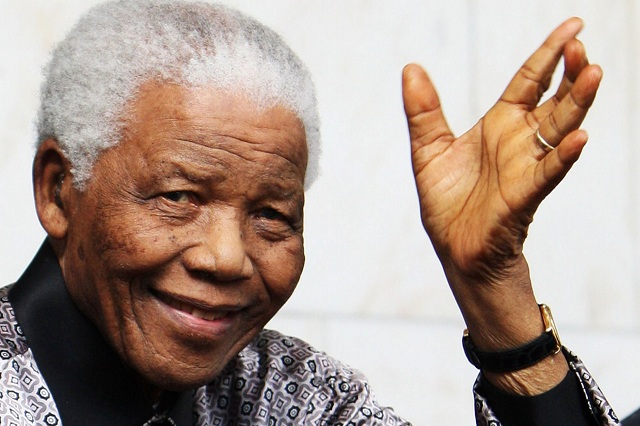
THE Algerian government recently (November 29 – 30) held in its capital, Algiers a highly successful international symposium whose theme was “Algeria’s contribution to the decolonisation of Africa”.
The colloquium was officially opened by the Minister of the Moudjahidine, Cde Tayeb Zitouni, who was immediately followed by the Minister of Foreign Affairs and International Cooperation, Cde Ramtane Lamamra, in the El Mawakif Room of the prestigious seven star El Aurassi Hotel which faces a serene, scenic bay of the Mediterranean Sea.
From Zimbabwe were the last diplomatic representative of the Patriotic Front – Zapu to Algeria, myself, Cde Saul Gwakuba Ndlovu, and Cde Moffat Linda Hadebe, an Algerian militarily trained cadre who later became commander of the Zapu– ANC (Umkhonto Wesizwe) detachment in Sipolilo in 1968.
Hadebe was arrested in action in the area and imprisoned for life. He was released after independence, and is now a pastoral farmer in the Gwanda District in Matabeleland South, hardly recognised officially for his patriotic contribution to the liberation of Zimbabwe.
The Zimbabwean embassy staff in Algiers, headed by Ambassador Edwin George Mandaza attended the opening conference and all other sessions thereafter.
I presented a paper headed “Algeria’s contribution to the liberation of Zimbabwe”.
I said Algeria was a source of inspiration for the freedom fighters of Zimbabwe some of whom were trained militarily in that country, and that it supported the Zimbabwean liberation struggle diplomatically at a number of international fora, and materially aided the Zimbabwean patriots.
I pointed out that there were about two types of colonies in the British Empire and there were: the settler colonies comprising Southern Rhodesia (Zimbabwe), the Cape colony, Natal before they joined the Union of South Africa in 1910. These were ruled more by the white settler colonial subjects of Britain and not directly from the colonial office, particularly Southern Rhodesia.
Algeria more or less belonged to this category of colonies. It was harder to decolonise these types of colonies than the others which were protectorates, mandated territories and Crown colonies whose administrations were appointed and directed by the colonial office in London.
Another similarity between Southern Rhodesia and Algeria before their independence was that the settlers of both countries tried to defy the metropolitan powers in London and Paris respectively. The Rhodesian settlers tried to seize independence unilaterally in November 1965, and the French settlers in Algeria formed the OAS, an organisation that fought French colonial forces and Algerians nationalists after France had indicated that Algeria would be granted independence.
Both settler forces were, of course, defeated by the nationalist revolutionary patriots under the FLN in Algeria and the Patriotic Forces comprising Zipra of Zapu and Zanla of Zanu in Zimbabwe.
Other speakers who prominently featured on the programme included Cde Ameur Rekhila, a university of Algiers lecturer whose topic was “The African dimension of the Algerian revolution and its importance in the discourse and founding texts of the revolution”.
Professor Harroon Erasheed Aziz, a Pretoria-based researcher and writer, delivered a very enlightening presentation on “The Algerian Revolution and its Impact on the African consciousness”.
He referred several times in his speech to Frantz Fanon’s writings, especially the book “The Wretched Of The Earth.”
Cde Fanon was Algeria’s representative in Ghana during and shortly after Algeria’s armed struggle which began in November 1954 and ended in 1962.
Professor Aziz was followed by University of Ghana’s Dr Gamel Nasser Adam whose speech was headed: “Africa’s Struggle Against Colonialism And Racial Discrimination.”
Two prominent scholars followed with papers carrying more or less similar headings. They were Professor Moncel Bekai of the University of Algiers whose presentation was on “Algeria’s Role in Decolonisation”, and Cde Jackou Sannoussi Tambary, special advisor to the Niger Republic president. His was headed “Algeria’s contribution to the emancipation of the peoples and countries of Africa.” .
Most participants emphasised very much the importance of African unity, and the need to utilise the continent’s resources wisely to eradicate poverty.
Two such speakers were Dr Mohamed Yahi of the Algiers University, and Cde Michael Kitso Dingake of Botswana, a former Robben Island prison colleague of Nelson Mandela.
From South Africa were former Umkhonto Wesizwe comrades one of whom, Mziwandile McDonald Masala, told the conference how he and about 60 colleagues were in 1963 smuggled across the then Bechuanaland Protectorate (Botswana), Southern Rhodesia (Zimbabwe), Northern Rhodesia (Zambia), into Tanganyika (Tanzania), and then all the way through the Sudan into Egypt whence they were flown to Algeria for military training.
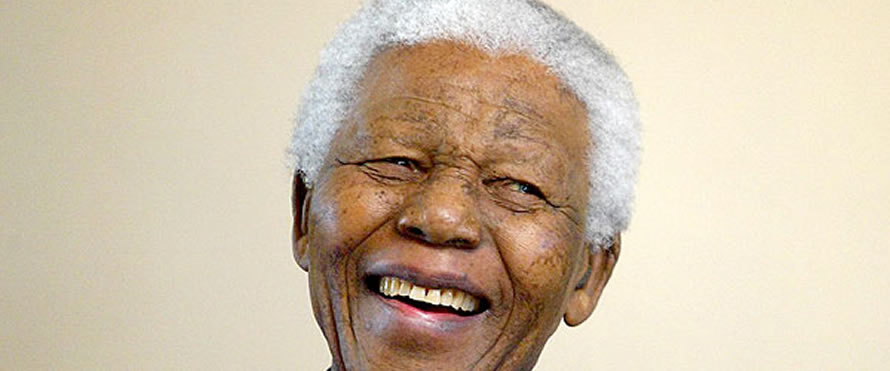
Nelson Mandela had undergone a short crash guerilla training stint in western Algeria the previous year.
Masala returned home to operate secretly in sabotage. He was later arrested and locked up on Robben Island for 15 years.
Contributions were made on the role Algeria was playing in the diplomatic field in resolving African issues.
Particular reference was made to the Sahraoui problem by Namibia’s Dr Theo Ben Gurirab, former United Nations General Assembly senior official.
He said Algeria had tried to have the Sahraoui issue settled peacefully through a referendum, but Morocco has repeatedly frustrated that proposal.
Cde Joseph Butiku, executive director of Tanzania’s Mwalimu Nyerere Foundation, said negotiations had been used at appropriate times to settle various difficult issues.
“The late Tanzanian President Mwalimu Julius Nyerere used to advise that negotiations can be used in peaceful times to consolidate peace, and in times of war to achieve peace,” he observed.
A glowing vote of thanks was passed to the event’s organisers by South Africa’s Retired Major-General Keith Mokoape, formerly of the African National Congress’s Umkhonto Wesizwe.
The symposium organisers hope to hold a similar colloquium in one of the Southern African countries that were aided by Algeria to achieve independence, most likely Angola or South Africa in a year or two.
Meanwhile, invited participants to the conference were each given certificates and medals as tokens of thanks for their roles.
Saul Gwakuba Ndlovu is a retired Bulawayo – based journalist and nationalist. He can be contacted on cell 0734 328 136 or through email. [email protected] <mailto:[email protected]>


 Online Reporter