Online Reporter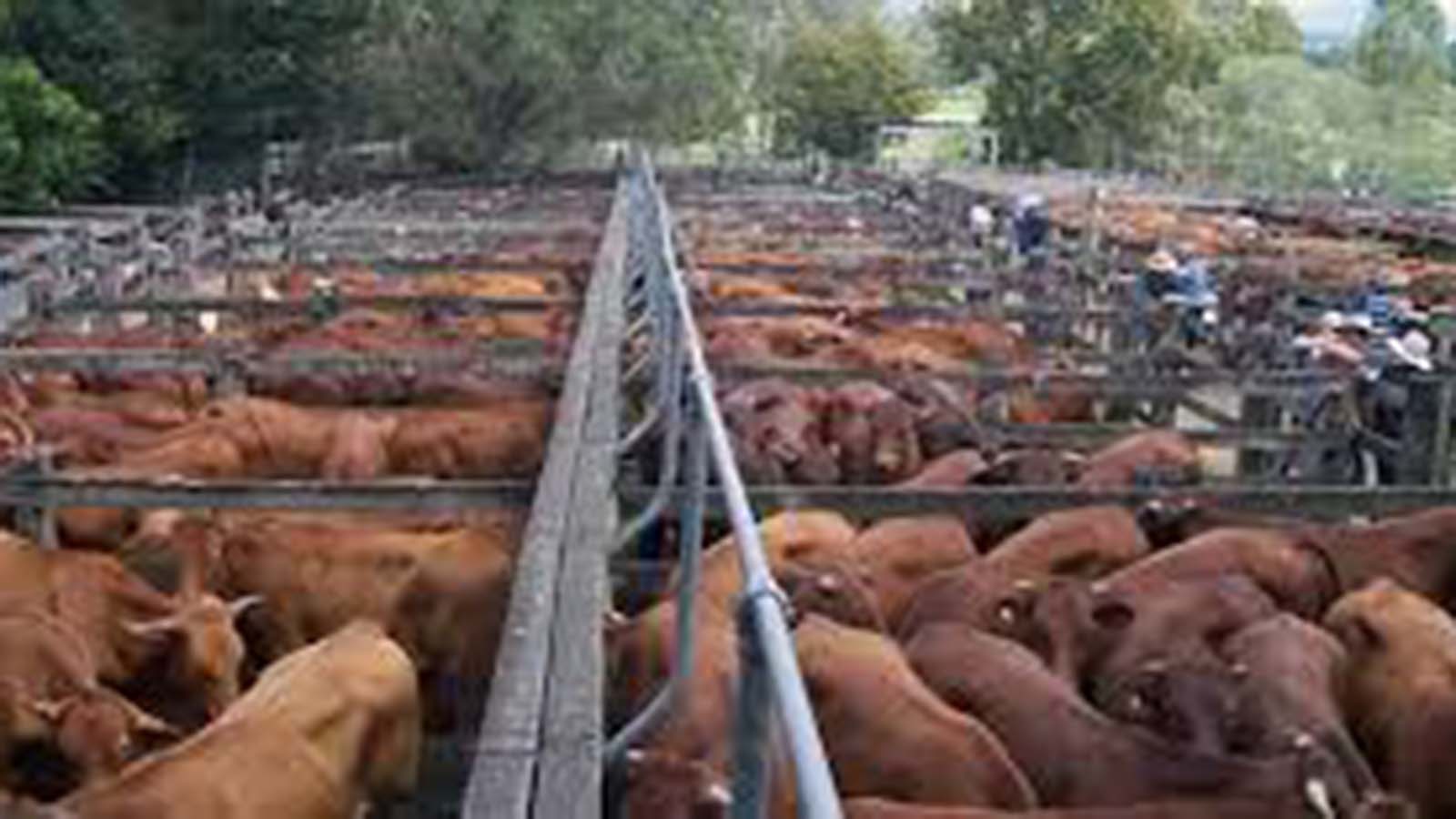
Edgar Vhera
Specialist Writer – Agribusiness
THE Agricultural Marketing Authority (AMA) is expected to resuscitate cattle auctions in the second quarter of this year as part of a broader initiative by the authority to protect farmers from exploitation by dishonest buyers.
Expectations are high following Cabinet’s approval to abolish and/or slash some fees, licences, permits and levies to enhance ease of doing business in the livestock sector.
Cabinet considered and approved the review of licences, permits, levies and fees in the agricultural sub-sectors comprising crops, horticulture, fisheries and fertiliser, in line with the Cabinet decision of July 29, 2025, which approved the implementation of a raft of business reforms in 12 sectors of the economy.
The review process is aimed at reducing the cost of doing business, increasing competitiveness, enhancing the viability of enterprises and enabling the growth of the economy.
An X post from AMA revealed that representatives from the organisation had met chiefs and headmen in Buhera to revive cattle auction sales and raise awareness on farmer and buyer registration.
“A cattle auction calendar was agreed, with sales set to begin in the first week of April,” said AMA.
Livestock farmers reaped significant earnings from the sale of their cattle since the launch of the auction programme by AMA in September 2022.
Before the auction sales, farmers were complaining of low prices between US$0, 60 to US$0, 80 per kilogramme.
Cattle auctions use market forces of demand and supply to establish price, as opposed to farmers being price takers as in the past.
Without these auctions, farmers are price takers relying on informal agreements between the seller and the buyer, with price not in any way related to the body score of the cattle or forces of demand and supply, but determined by the seller’s financial condition.
Livestock Farmers union (LFU) chairman, Mr Sifiso Sibanda, said haphazard, irregular and impromptu cattle sales under the guise of auctions were retarding the development and rebuilding of the commercial beef industry of the country.
“At cattle auctions, people from different organisations bid for the animals, which are then weighed and graded into different grades of super, choice and ration, among others,” said Mr Sibanda.
It has been noted that for most smallholder farmers, cattle sales are prompted by sudden challenges, which require immediate cash injections, for example, funerals.
Under such circumstances, middlemen will exploit the farmer’s predicament and dictate the prices of the cattle irrespective of their body condition and true value.
Mr Sibanda said that without a proper livestock marketing system that combined weighing and grading, many so-called cattle auctions were merely sales.
Some private companies and rural development councils are reportedly conducting cattle sales instead of auctions, with low prices being quoted, as they do not pay attention to the grading system.
“For orderly marketing, there is need to have an animal grader (Government official) who uses characteristics such as age and other traits to determine grade before slaughter,” he said.