Online Reporter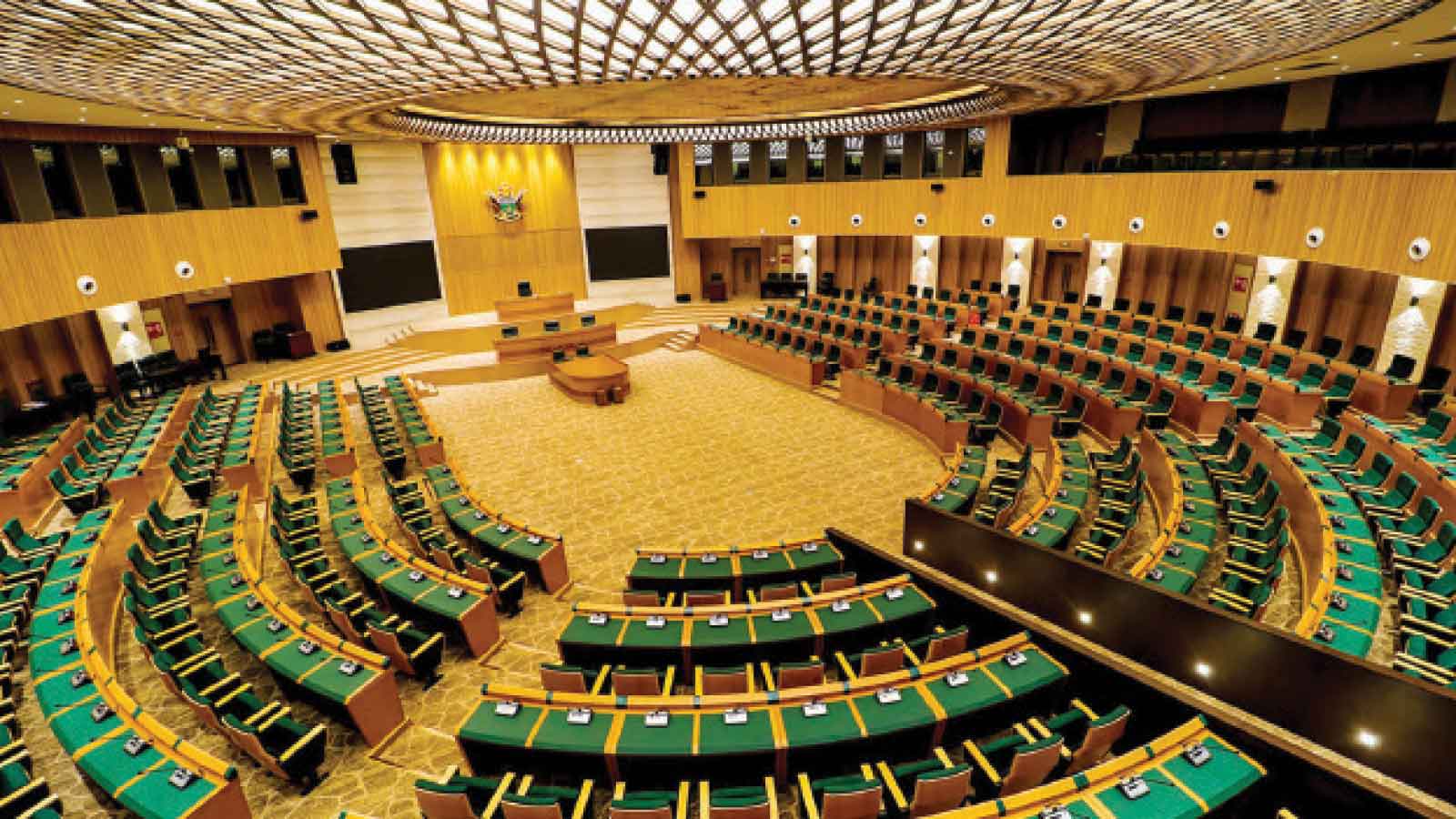
Ivan Zhakata
Herald Correspondent
The Constitutional Amendment (No. 3) Bill will be tabled before Parliament on May 18, following the conclusion of nationwide public hearings where it was widely received, Justice, Legal and Parliamentary Affairs Minister Ziyambi Ziyambi said yesterday.
The Bill, which seeks to introduce wide-ranging changes to the country’s governance framework, will now undergo Parliamentary scrutiny in line with legislative procedures.
Minister Ziyambi said once the Bill is formally presented, it will proceed through the standard legislative stages, beginning with the Second Reading after the expiry of the constitutionally mandated 90-day consultation period.
“The consultations are still ongoing as Parliament continues to receive written submissions, even though oral hearings have been concluded. Relevant committees are now collating data and will produce reports to be presented after the Second Reading,” he said.
The public consultations were conducted in compliance with Section 141 of the Constitution of Zimbabwe, which obligates Parliament to facilitate citizen involvement in legislative processes and ensure that interested parties are consulted on proposed laws.
In an earlier interview with Zimpapers, Minister Ziyambi said his Second Reading speech will outline the objectives, rationale and key provisions of the Bill before legislators open debate.
“Once debate is exhausted and issues raised are clarified, the Bill will proceed to the committee stage, where Members of Parliament will analyse it clause by clause, making amendments where necessary,” he said.
After the committee stage, the Bill will be put to a vote, requiring a two-thirds majority in the National Assembly to pass.
“If approved, the Bill will be read for the third time and then transmitted to the Senate, where it will undergo a similar process,” Minister Ziyambi said.
Among its key provisions, the Constitution Amendment (No. 3) Bill proposes extending the Presidential term from five to seven years, and introduce a system where the President is elected by a joint sitting of Parliament.
The Bill also seeks to transfer oversight of the voters’ roll to the Registrar-General and empower the President to appoint an additional 10 senators. The legislative process is expected to take between two and three weeks once debate begins.