Chronicle Editor
Flora Fadzai Sibanda, [email protected]
DIFFERENT stakeholders converged at a local hotel last week to endorse the recently drafted national animal disease surveillance plan.
The animal disease surveillance plan was being facilitated by the veterinary services and supported by SAFE (Transforming Zimbabwe’s Animal Health and Food safety systems for the future) which is funded by the European Union and was implemented by Food and Agriculture Organisation of the United Nations, Department of Veterinary services in the ministry of lands, agriculture, fisheries, water, climate and rural development and the department of environmental health under the ministry of health and child care.
The surveillance plan seeks to help monitor animal diseases and ensure that they are controlled before a large number of animals are affected.
Among the stakeholders were farmers, Agritex officers, veterinary doctors, the police, city council representatives from different areas, the Zimbabwe National Road Administration (Zinara), and ministry officials.
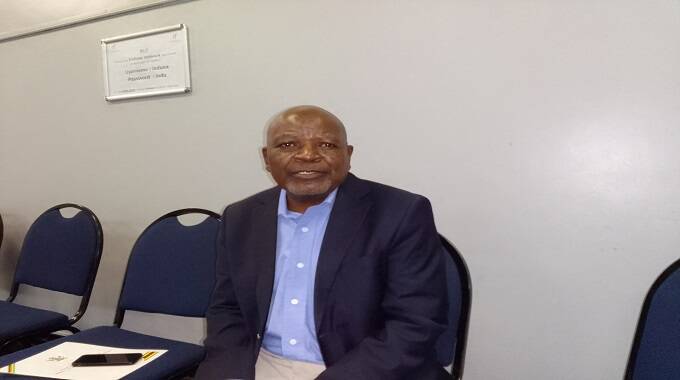
The chief director of the Veterinary Services Dr Josphat Nyika said their plan is to avoid entry of animal diseases in the country, and their spread, and come up with ways to control them should it happen that they have entered.
He said the meeting was meant for the stakeholders to validate the plan which had been drafted and funded by the European Union and FAO so that stakeholders can know different policies that are in place to ensure that animals are prevented and controlled.
Dr Nyika said this will in place increase the profits of having a herd as having a healthy herd of animals is profitable and ensures that no one gets losses.
“This surveillance plan will ensure that the livestock industry is built to more than US$ 2 billion by the year 2030 because of how safe the animals will be. The purpose of this surveillance plan is also important because it also has a number of new features that will see farmers getting new partnerships for growth,” he said.
He said it will also help in moving forward with disease control like January disease and monitoring where it is coming from and how best it can be fully eliminated.
A prominent farmer who had also attended, Mr Obert Chinhamo, said things were made easy by inviting different stakeholders because it meant they were able to share all the grievances they each have and ways of eliminating them as they are the cause for the spread of a lot of diseases.
He said it is very important for farmers in general to take part in such policy-making decisions because they are the most affected people and if they do not know the basic things that are needed to control animal disease it will never be eliminated.
“If we look closely at how we now have January disease in our region, something that has never been there, it is important for farmers to understand about these diseases and how to make reports and ensure that they do not move such animals around. So, we are really happy we have been included in such things by the veterinary services,” said Mr Chinhamo.
Another farmer Ms Zanele Mpofu said she is happy about being involved in such initiatives because as farmers they are the most affected people and if they are not involved having such a surveillance plan becomes pointless.
She said animal diseases can move very fast if they are not monitored and that is one problem that they all face.
“I am happy there are a lot of stakeholders that were involved here like Zinara because these are the most important people in ensuring that animal diseases are not spread as they are the ones responsible for ensuring that the proper procedures are followed before animals are moved,” said Ms Mpofu.
@flora_sibanda



 Online Reporter