admin
adminTinomuda Chakanyuka Sunday News Reporter
ZIMBABWE’S annual HIV and Aids resource needs are expected to double over the next decade, a development people living with HIV feel might result in serious funding gaps in the country’s fight against the virus. According to the Zimbabwe National HIV and Aids Strategic Plan (ZNASP) for 2015 to 2018 annual resource needs are projected to increase to nearly $600 million by 2018, and more than $700 million each year from 2023 onwards.
The projections were made basing on prevailing cost structures.
At present annual funding of the Aids response from all sources is around $360 million.
The four year national HIV and Aids strategic plan recommends an increase in the country’s HIV investment to deal with the anticipated rise in resource requirements.
An anticipated increase in the number of people living with HIV and a two percent annual population growth were pointed out as the major factors leading to an increase in the country’s resource needs.
The strategic plan, however, notes that the anticipated increase in the country’s resources needs could be contained in the second half of the decade with “a more prioritised high impact response”.
“HIV treatment has taken an increasing share of the resources available, and will continue to dominate resource needs over the coming decade as more than a million people are put on life-long antiretroviral therapy.
“However, a more prioritised high-impact response could see resource needs stabilised at around $550 million annually in the second half of the coming decade if prevention gains and treatment and programme support efficiencies are realised.
“Zimbabwe will need to substantially increase the current HIV investment over the next decade just to control the Aids epidemic in Zimbabwe,” reads part of the report.
People living with HIV in the country last week expressed concern at the anticipated increase in resource needs for HIV response programmes.
They said the growth may lead to underfunding of the country’s fight against HIV, against a backdrop of the country’s dependence on donor funds.
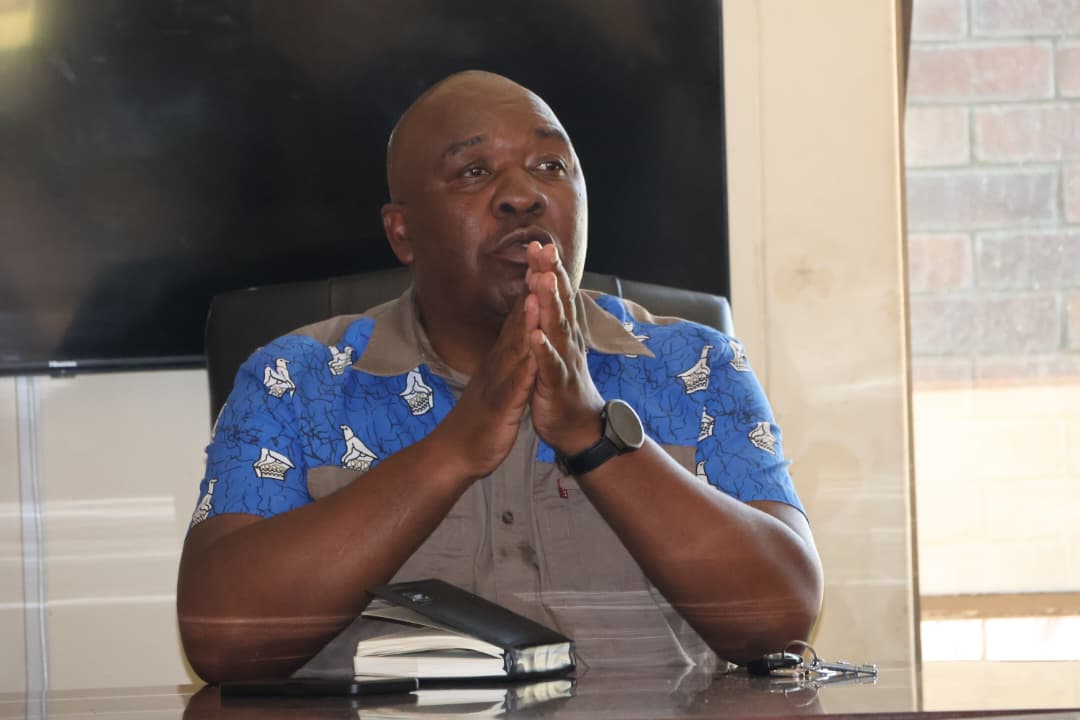
Zimbabwe National Network of People Living with HIV (ZNNP+) national chairperson Mr Sebastian Chinhaire said Government should consolidate efforts to increase domestic funding and reduce dependence on foreign funding.
About 85 percent of the country’s HIV budget is sustained by external donors, a scenario Mr Chinhaire said leaves the country vulnerable if donors were to pull out.
“It’s a concern to us people living with HIV. It’s really scary because if our resource needs are to increase when the resources are not available, that would be a disaster.
“We have lobbied Treasury to increase domestic funding but our pleas seem not to be heard. If the donors we rely on are to pull out now, we will be left vulnerable. This is why we are insisting on domestic funding of our programmes,” he said.
Domestic financing, principally through the National Aids Trust Fund is derived from the Aids levy which is three percent of Pay as You Earn (PAYE) from the formally employed population, and the same percentage from corporate tax.
Mr Chinhaire said Government should reconsider giving people HIV treatment for free, advocating for a system where those who can afford are charged a nominal fee for ARVs.
“That way we would have moved a step forward in terms of raising funds to sustain our HIV fight on our own without having to rely on external funding. Government should come up with innovative ways of tapping local resources towards HIV response programmes,” he said.
HIV activist and director of the Reverend Max and Friends Foundation, Reverend Maxwell Kapachawo expressed similar sentiments with Mr Chanhaire.
“There is no problem with our resource needs increasing as long as we can meet them with most of the funds coming from within the country. The problem arises only when the resource needs overwhelm our capacity. That will create serious problems.
“Right now our domestic financing is coming from the Aids levy imposed on employees. With these job losses the Aids levy contributions will obviously be reduced and that is a worrying development. More needs to be done to come up with new ideas on how we can mobilise domestic resources,” he said.
UNAids country director in Zimbabwe Mr Micheal Bartos last year warned that the country may experience a funding deficit of about $3 billion for its HIV response programmes in the next decade if the prevailing funding levels and commitment from donor partners do not improve.
The National Aids Council has previously suggested a raft of strategies, including levying night clubs and players in the informal sector to augment the Aids levy, in efforts to generate more domestic resources to support the national response to HIV.


 Online Reporter