admin
admin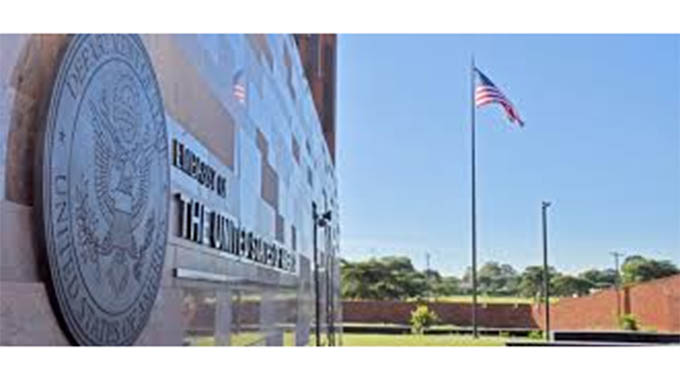
Herald Reporter
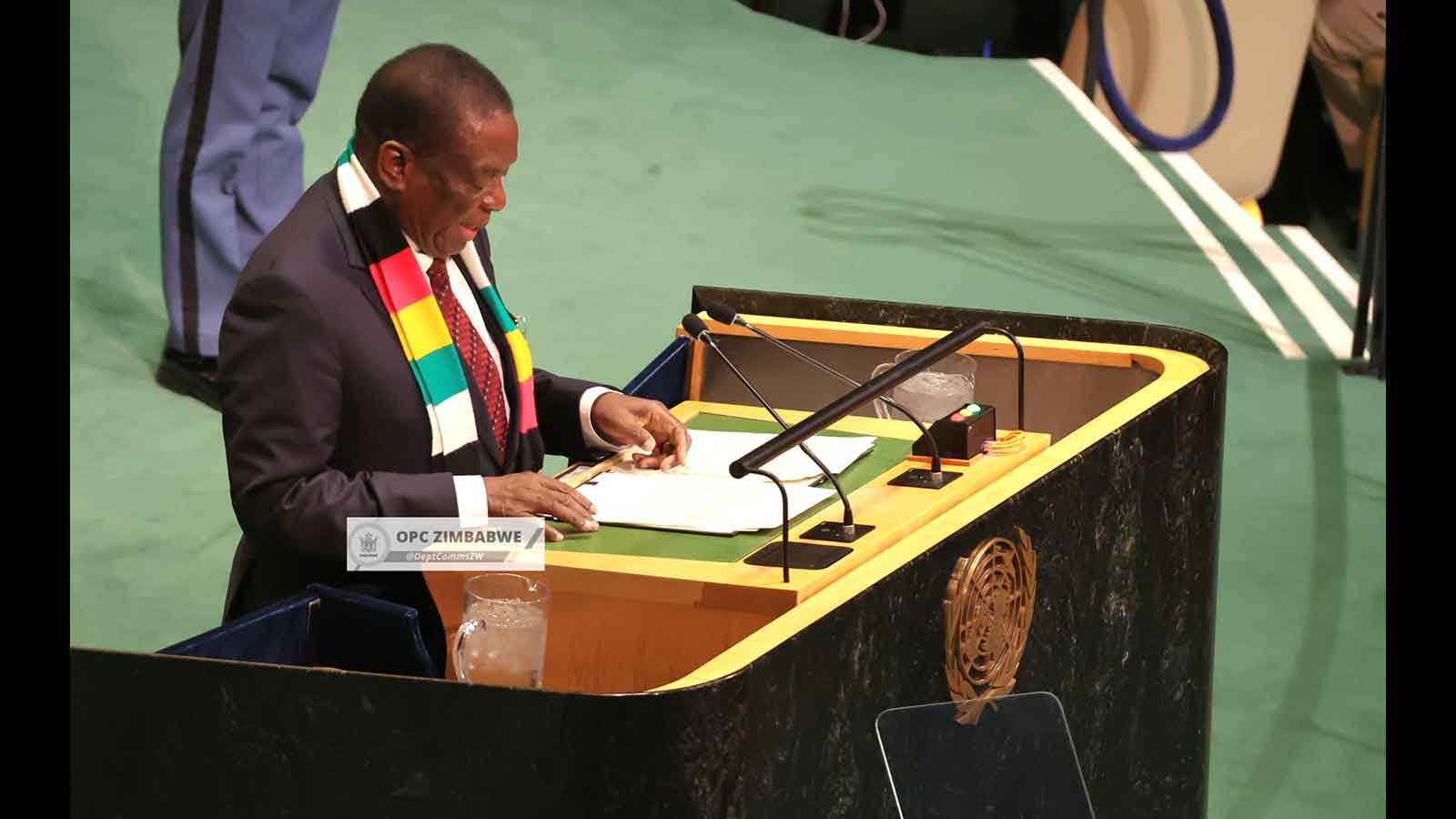
THE United States Embassy in Harare paid Google to flood websites and other online digital platforms of the Zimbabwe Newspapers Group with a glut of advertisements to counter the live coverage of the Anti-Sanctions Day proceedings led by President Mnangagwa in Bulawayo yesterday.
The Zimpapers Group, the country’s largest integrated media house, yesterday covered the Anti-Sanctions Day commemorations live on its various platforms, including The Herald website.
Just as the coverage began, a stream of adverts sponsored by the American Embassy were clandestinely offloaded onto the Zimpapers sites in a desperate bid to counter the highly subscribed proceedings in Bulawayo.
“It’s corruption, not sanctions,” reads one of the adverts, which sought to convince Zimbabweans that their economic challenges were the result of Government corruption rather than the illegal sanctions imposed by Western nations.
The sanctions were imposed in response to the Land Reform Programme, which sought to correct a skewed land ownership system where a few white commercial farmers were in possession of large tracts of properties while black Zimbabweans had little land on which to farm.
The punitive measures, which have been in place for over two decades, have had a significant impact on Zimbabwe’s economy.
Despite these challenges, the nation has fought back with home-driven development initiatives aimed at mitigating the effects of the sanctions.
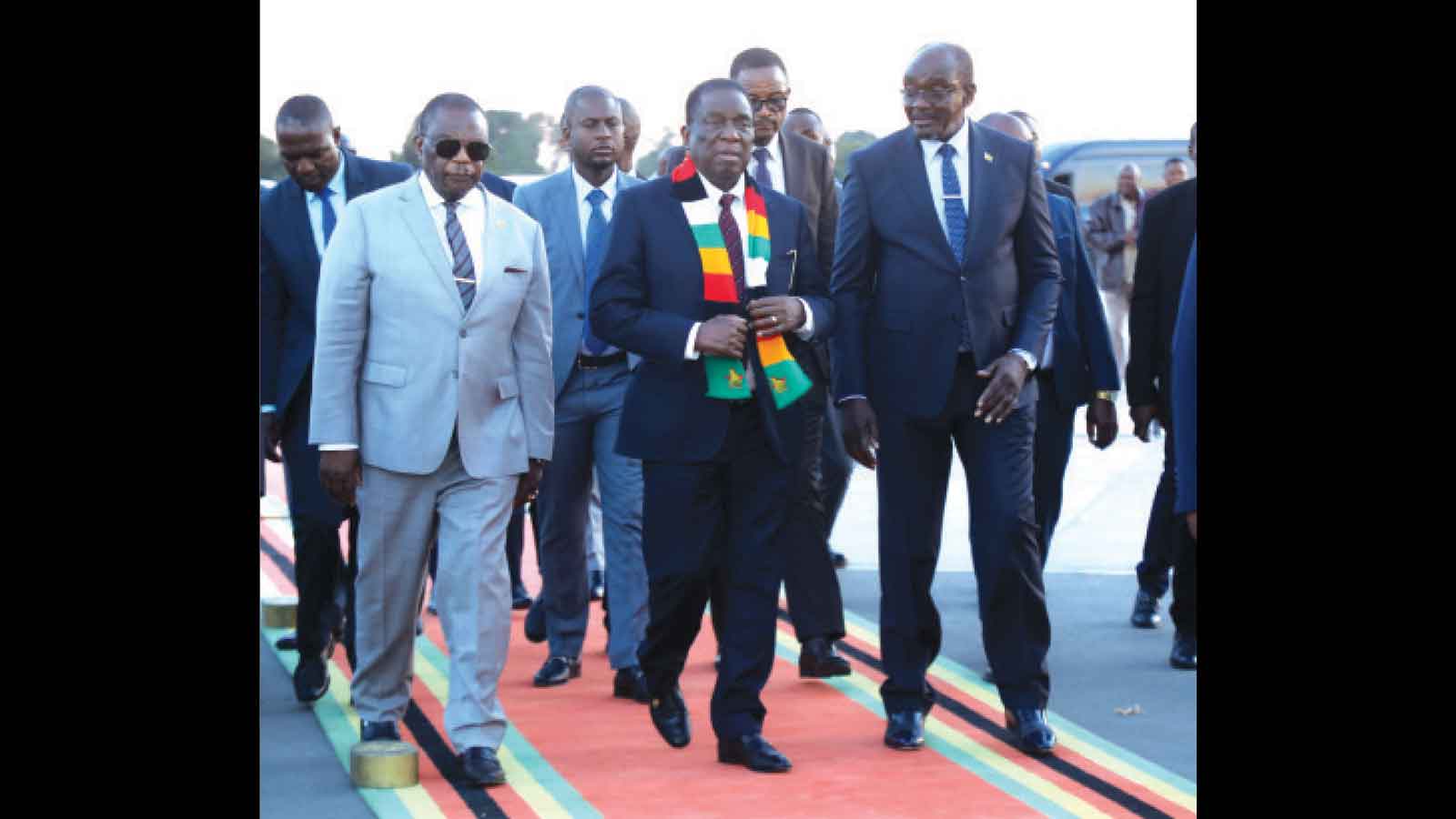
The anti-sanctions campaign, led by President Mnangagwa, highlights the detrimental effects of these sanctions on ordinary Zimbabweans.
The Government argues that the sanctions are illegal and have been used as a tool to undermine Zimbabwe’s sovereignty and economic progress.
The campaign seeks to rally support both domestically and internationally for the removal of these sanctions.
The Southern African Development Community (SADC) has also shown solidarity with Zimbabwe, designating October 25 as Anti-Sanctions Day to raise awareness and amplify the call for the lifting of the sanctions.
This year’s theme, “Embracing Innovation Towards Vision 2030: The Relentless Fight Against Illegal Sanctions,” underscores the region’s commitment to supporting Zimbabwe in its quest for economic recovery and growth.
Meanwhile, the futile campaign by the US Embassy to counter the Government’s message on sanctions has backfired spectacularly, with social media users castigating the unbecoming behaviour of the American diplomats.
“Lies! While the narrative surrounding sanctions often focuses on corruption and governance issues, the reality for the ordinary citizen is one of the significant economic and social challenges. The sanctions contribute to a cycle of poverty, limited access to essential services,” said one Michael Scofield.
An X user named Shadreck blamed the United States for contributing to the demise of the economy.
“In response to what was described as the “fast track land reform”in Zimbabwe, the United States government put the Zimbabwean government on a credit freeze in 2001 through the Zimbabwe Democracy and Economic Recovery Act of 2001”.
Another X user said: “You urge us as who???Remove your illegal sanctions and stop with your neo-imperialism agenda!!!.”
Nicole Hondo warned the Embassy on X: “You urge as who? Remove your illegal sanctions and stop with your neo imperialism agenda”.


 Online Reporter