Lonias Rozvi Majoni
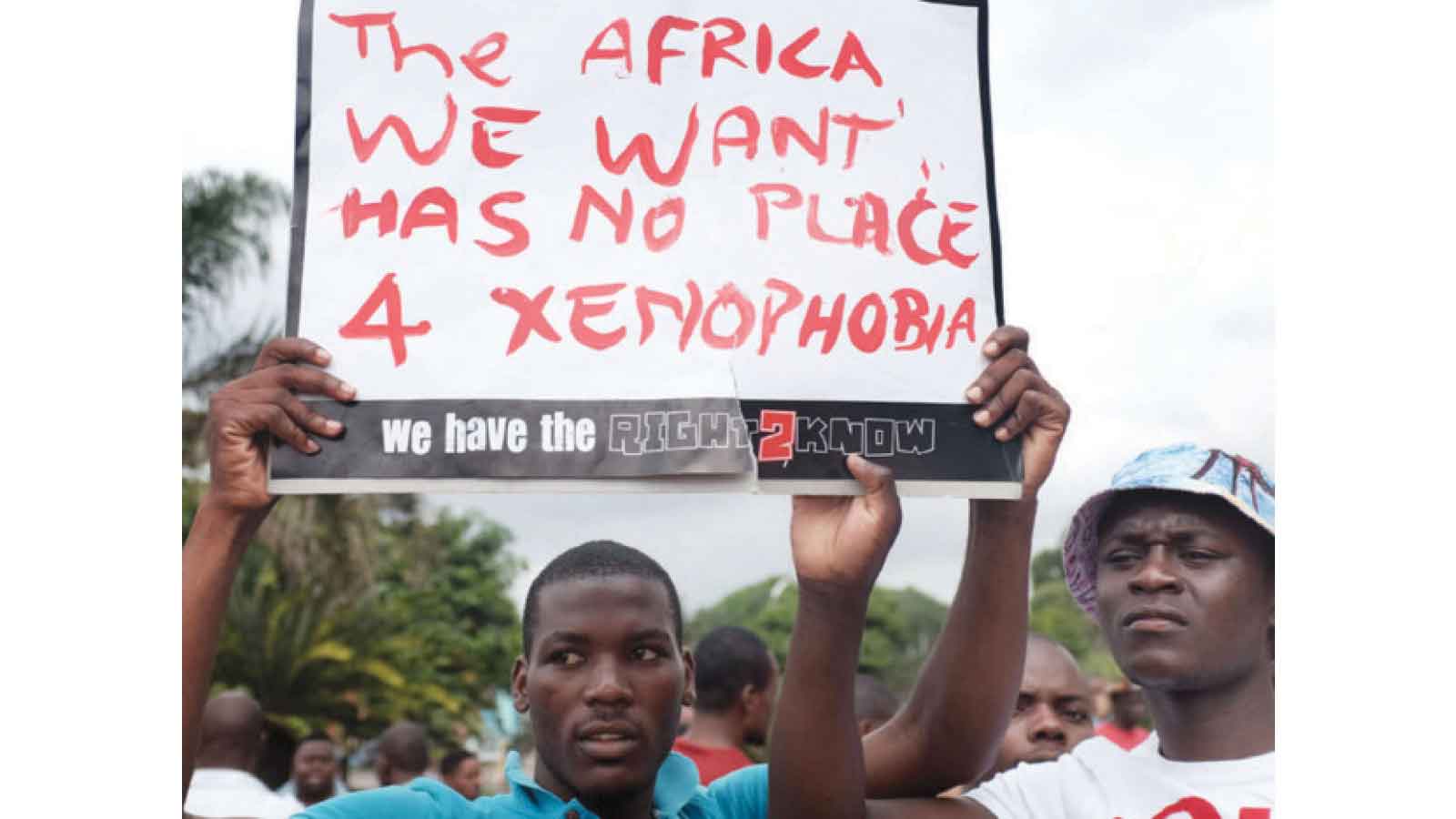
THE regular tide of vitriol and undue attacks against Zimbabweans in South Africa through voices such as “Operation Dudula” is not merely a “clash over resources” or a simple immigration crisis.
It is a calculated, colonial-era psychological operation, a dying gasp of apartheid’s structural engineering finding new life through a political marriage of convenience.
The modern-day trenches of this war are found in the digital corridors of social media and the streets of South Africa’s townships, where a narrative of hate is being weaponised to scapegoat the very people who once served as the rear guard of South African liberty.
To understand this current wave of xenophobia, which is more accurately described as a systemic “coloniality of being,” one must confront the inconvenient truths of a shared history that certain political actors are desperate to bury.
In the 1970s and 80s, when the world turned a cold eye to the horrors of the National Party, Zimbabwe became a sanctuary.
Even while reeling from its own brutal liberation war, Zimbabwe provided the African National Congress (ANC) and its military wing, Umkhonto we Sizwe (MK), with the logistical depth needed to survive.
Historical records of the Frontline States remind us that Zimbabwe was a transit point for revolutionaries and a diplomatic shield that protected South African freedom fighters from the “total onslaught” of the Pretoria regime.
The current persecution of Zimbabweans is a supreme irony and a historic betrayal; it is a colonial matter because the resentment is fuelled by those who never wanted a Black-led, decolonised Zimbabwe to succeed, fearing it would serve as a dangerous blueprint for land reform and economic justice in South Africa.
This crisis has become acutely dangerous with the emergence of the Government of National Unity, a coalition between the ANC and the Democratic Alliance (DA).
While framed as a stability pact, the DA remains a party that has historically struggled to shed its image as a bastion for white minority interests and apartheid remnants.
As a result of framing immigration as the primary source of South Africa’s systemic challenges, which include unemployment and crime, this coalition diverts attention from the reality that 10 percent of the population still controls eighty percent of the wealth.
It is far easier for populist politicians to lampoon a Zimbabwean street vendor than to dismantle the monopolies held by white monopoly capital.
These movements are not organic; they are the foot soldiers of a strategy to keep the Black majority divided along national lines, a classic “divide and rule” tactic straight from the colonial playbook.
The propaganda machine would have the public believe that South Africa is being overrun, yet the statistical reality is far different. Zimbabweans often make up less than two percent of the total population, yet they are portrayed as a demographic “invasion.”
Paradoxically, South Africa enjoys a massive trade surplus with Zimbabwe, reportedly valued at nearly R20 billion in late 2025 alone, making Zimbabwe a vital commercial base and a primary market for South African goods.
Furthermore, research indicates that African immigrants contribute up to five percent of South Africa’s GDP. Every time a Zimbabwean is persecuted, South Africa is effectively biting the hand that feeds its industrial machinery.
This anti-immigrant stance is not only primitive but is a global disgrace that mirrors the most gruesome elements of the United States’ border rhetoric.
It is deeply ironic that while South Africa denies accusations of targeting Boer immigrants and claims to be a “peaceful nation”, it allows the public burning of Zimbabwean nationals over a lack of documentation.
This hypocrisy is a stain on the “Rainbow Nation.” Some South Africans need to be decolonised from the idea that their “exceptionalism” makes them superior to their neighbours. Zimbabwean excellence, noted in their high literacy rates and resilience, is rooted in Ubuntu, a trait that South Africa’s social media trolls have traded for colonial bitterness.
This xenophobia should be seen for what it truly is and it is time for a global community to recognise that South African liberation is incomplete as long as its people act as the jailers of their fellow Africans.