admin
admin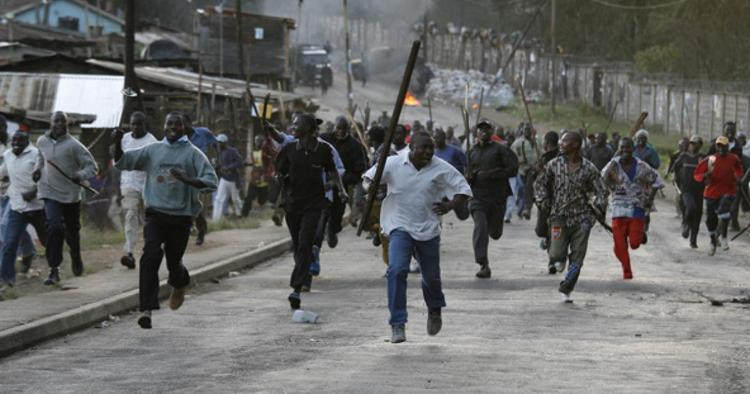
Fatima Bulla
The continent’s financial future and infrastructure development will be top of the agenda at the Council of African Apostles in Harare early next month, in line with the body’s theme of “Expand”.
The three-day gathering of Africa’s apostolic voice discusses issues affecting the church across the continent.
Among the major speakers will be Bishops Tudor Bismark (Zimbabwe), Joe Imakando (Zambia), Mike Okonkwo (Nigeria), Enock Sitima (Botswana), Dr Mensa Otabil and Archbishop Nicholas Duncan-Williams (Ghana).
The council starts on February 3 and will look at ways of expanding the church so that it can influence social, government and private sector policies, assist in intellectual property and innovation issues, promote infrastructure development.

Church leaders will also discuss the CAA’s observer status in general elections around Africa.
Bishop Bismark said: “We are discussing, on the Thursday, Africa’s financial future because what is happening down south is very concerning. Zimbabwe is informally in the rand zone, but Swaziland is, Namibia is and Botswana, to an extent though it has its own pula.
“And what’s happening down there could destabilise the entire region. The cedi in Ghana is losing value as we speak, in Nigeria the naira as well. What does that mean?
“What is Africa’s financial future from projecting private property, to longevity of companies that have been built, to investments that are being made when Africa starts having major companies like Google, Facebook to Microsoft and various other companies.
“With MTN, money is not staying in Nigeria! So what is the future for Zimbabwe with foreign companies, what is the future for Nigeria with Shell and BP sucking that lovely juice out of the west African country. What are companies putting back? What is Pick and Pay putting back into Zimbabwe?
“Schools I don’t know, roads I don’t think so. All that money is out of the country. All these things we have to definitely look at.”
The internationally-acclaimed preacher said there was dire need for significant infrastructure development with provision for needs such as low-cost housing.
“Any time there is delay in infrastructure development you cannot calculate the cost of what we are losing. For example, when I was coming in (town) close to where we live a pothole has developed. So the car that was ahead hit the pothole and it was damaged.
“The cars now lined up behind. So we are not just losing time, but think of those cars, trucks idling, think of fuel being used by all those motor vehicles by one pothole which can cost US$100 or less to repair. The fuel being burnt is in the hundreds of dollars that should be paid back into the economy.
“Traffics lights not working — do you know how much fuel is expanded by one traffic light not working? So infrastructure development is very important for ploughing money back into the economy,” he said.
The 59-year-old preacher said Zimbabweans had become innovative to generate income in tough times.
“And so out of that its coming significant creativity because necessity is the mother of invention. With all our innovation and creativity we have to protect our intellectual property so that individuals can be rewarded for their thoughts and ideas.
“Also in terms of expanding our creativity is job creation. If we create jobs and incentives are given for job creation, expanding in that area — that way we eliminate and alleviating unemployment,” the Bulawayo-bred bishop said. While encouraging think tanks’ participation in innovation, Bishop Bismark said there was need to also consider the ordinary person.
“Think tanks must just not be individuals that are trained formally in high schools of learning with PhDs and MBAs, they should be representatives from women but also guys in the street as they are on the grassroots level.
“This is because people like taxi drivers are mixing with hundreds of people on a day basis listening to thousands of conversations a week, analysing all kinds of problems on multi levels.
“Why is somebody selling shoes outside Bata as an informal business person? So those people must be involved in think tanks because they are able not to just provide solutions but also to cite problems and to bring in reality where people are living.”
Bishop Bismark said CAA would consider how to tackle the matter of illegal sanctions on Zimbabwe.
“We know that there are religious bodies here such as EFZ (Evangelical Fellowship of Zimbabwe) that are legitimate instruments.
“But we have CAA that is very broad throughout the continent, many of whom have so much admiration for our President and can speak on a positive note to say the Zimbabwean people have suffered enough.
“And in the region for a number of years, we probably have been the most stable nation.
“There is no gun crime here, little children are catching kombis to go to school, you know crime is that petty theft and that is based on high levels of unemployment. So we can speak on behalf of Zimbabwe.”
The council has been involved in proffering solutions to post-elections conflict in Kenya and generally encouraging peace.



 Online Reporter