Online Reporter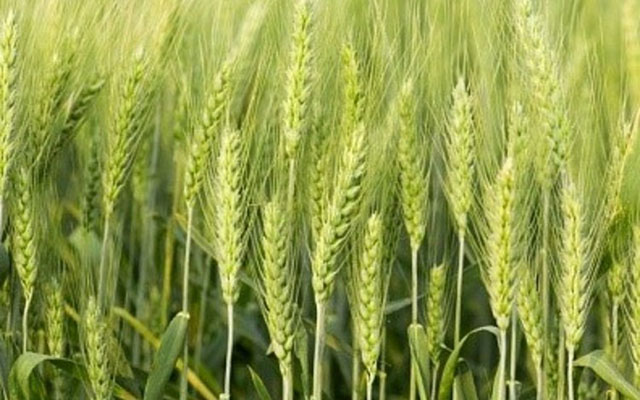
Theseus Shambare
Herald Reporter
WHEAT farmers have been urged to apply sound agronomic practices to safeguard yields and help Zimbabwe move closer to achieving wheat self-sufficiency.
Most of the crop planted early in the season is now at the vegetative stage and showing good establishment, according to field assessments.
However, authorities have urged farmers who planted late after the window closed on June 15, to follow fertilisation schedules and other recommendations provided by extension officers to achieve maximum results.
“Farmers who planted on time are seeing strong crop establishment,” said Permanent Secretary in the Ministry of Lands, Agriculture, Fisheries, Water and Rural Development, Professor Obert Jiri.
“For those who delayed, we strongly advise them to apply the right amounts of fertiliser at the right time and follow guidance from our ARDAS teams on the ground to compensate for the delays but achieve the required goal.”
This winter, Zimbabwe has planted over 120 000 hectares of wheat under both the Government-supported and private contract schemes, with the national target being to surpass last season’s 375 000 tonnes output.
“We cannot afford complacency. Wheat is a strategic crop. Every farmer must monitor their fields for pests, diseases and nutrient deficiencies,” Professor Jiri said..
“Rust and aphids are common threats, especially as the crop moves into the reproductive stages.”
He also warned against the risks of early harvesting.
“Let us protect the investment made so far,” said Professor Jiri.
The Agricultural and Rural Development Advisory Services (ARDAS) department has deployed extension officers countrywide to assist farmers with technical advice throughout the growing season.
“With the right agronomic discipline, this can be one of Zimbabwe’s best wheat seasons yet,” said Professor Jiri.
“We urge farmers to stay focused and finish the season strong.”