


 Online Reporter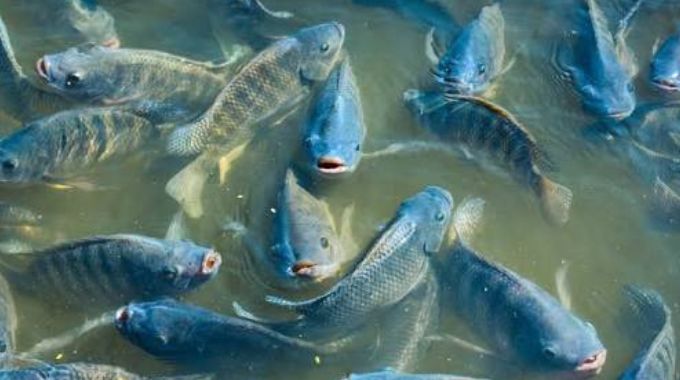
Irene Chihanga, Aquaculture Specialist
FISH ponds are most vulnerable to high rate of evaporation and poor water quality during El Niño. The Ministry of Agriculture, Mechanisation and Water Resources Development, through Agriculture Business Advisory Officers (ABAOs), is advising farmers to plan for the forecasted medium-strong El Nino during the 2026/27 season.
1 Stocking and production
n Reduce stocking density by 20-30 percent if water supply is uncertain. Fewer fish = less oxygen demand.
n Focus on hardy species like tilapia and catfish
n Do partial harvesting by harvesting bigger fish early to reduce biomass and pressure on the pond
2 Water conservation
n Increase pond water depth to 1,5m-2m
n Deeper water stays cooler and evaporates slower than shallow water.
n Fix all leaks and use stronger liners in new ponds
n Only top up water for evaporation, avoid overfeeding to minimise chances of full water changes
n Use shade nets over small ponds and fish tanks to reduce the risk of high evaporation
3 Water quality and feeding
n Aerate pond water daily using paddlewheels, electrical or solar aerators. Low oxygen kills more fish than drought
n Monitor critical water quality parameters such as DO, pH, water temperature and ammonia every morning
n Feed early morning and late afternoon only
n Reduce feed by 20-30 percent when water is above 32°C
n Use high-quality feed to reduce waste
Key message for fish farmers: “Oxygen first. Deep water is cool water. Less fish, more profit in a drought.”
El Niño 2026/27 will test preparedness. But with early planning on feed, water and animal health, both livestock and aquaculture farmers can reduce losses and remain profitable.
Visit your nearest Agritex office or veterinary office for site-specific advice. For aquaculture, contact your district fisheries officer.
* Don’t wait for the drought. Plan for it now.*
Farmers can access free technical advisory services and climate forecasts through their local Agritex Office.
n Chihanga is Principal Aquaculture Specialist in the Ministry of Agriculture, Mechanisation and Water Resources Development.




 Blessing Chizhande