Online Reporter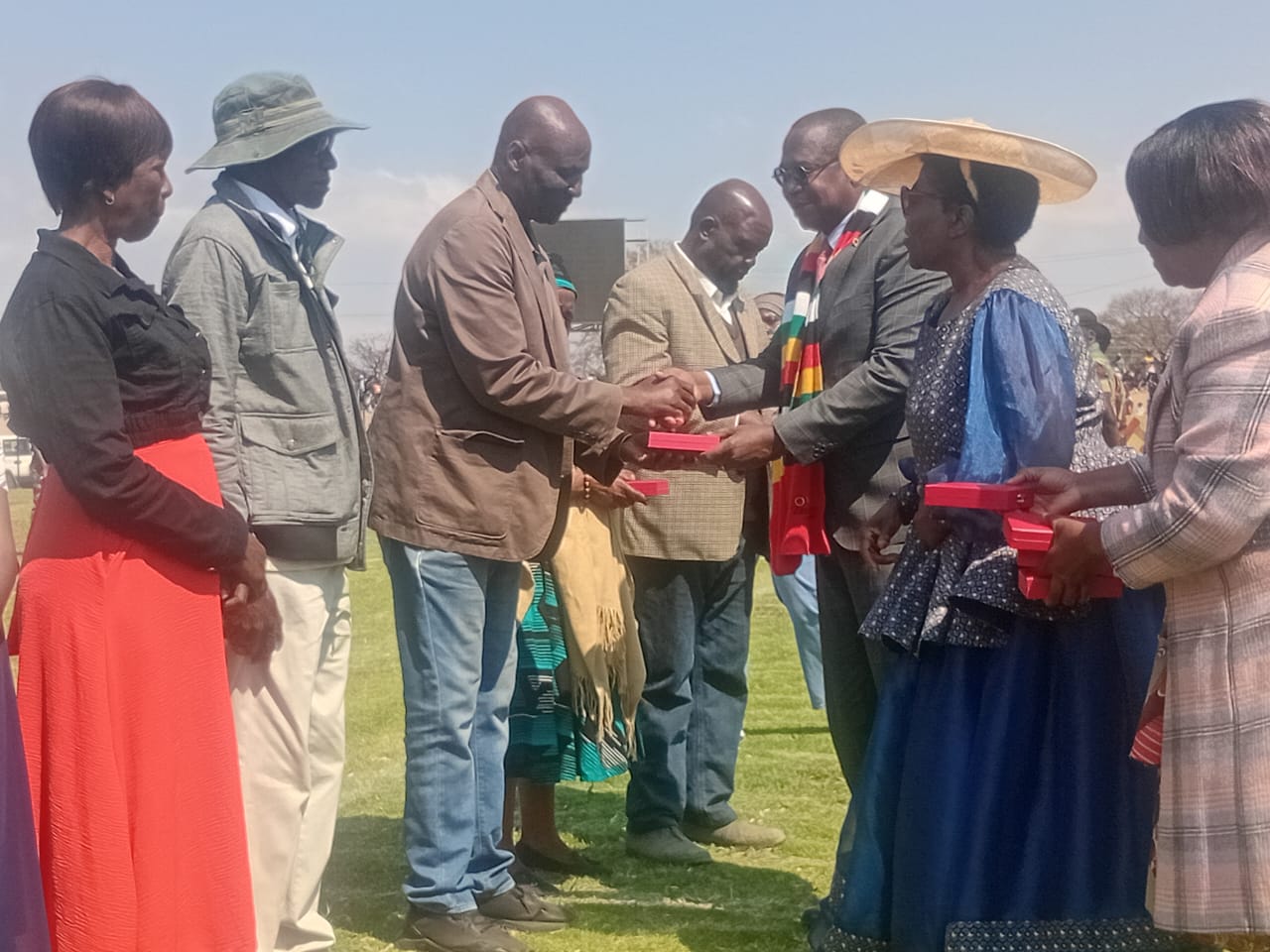
Gibson Mhaka, Zimpapers Politics Hub
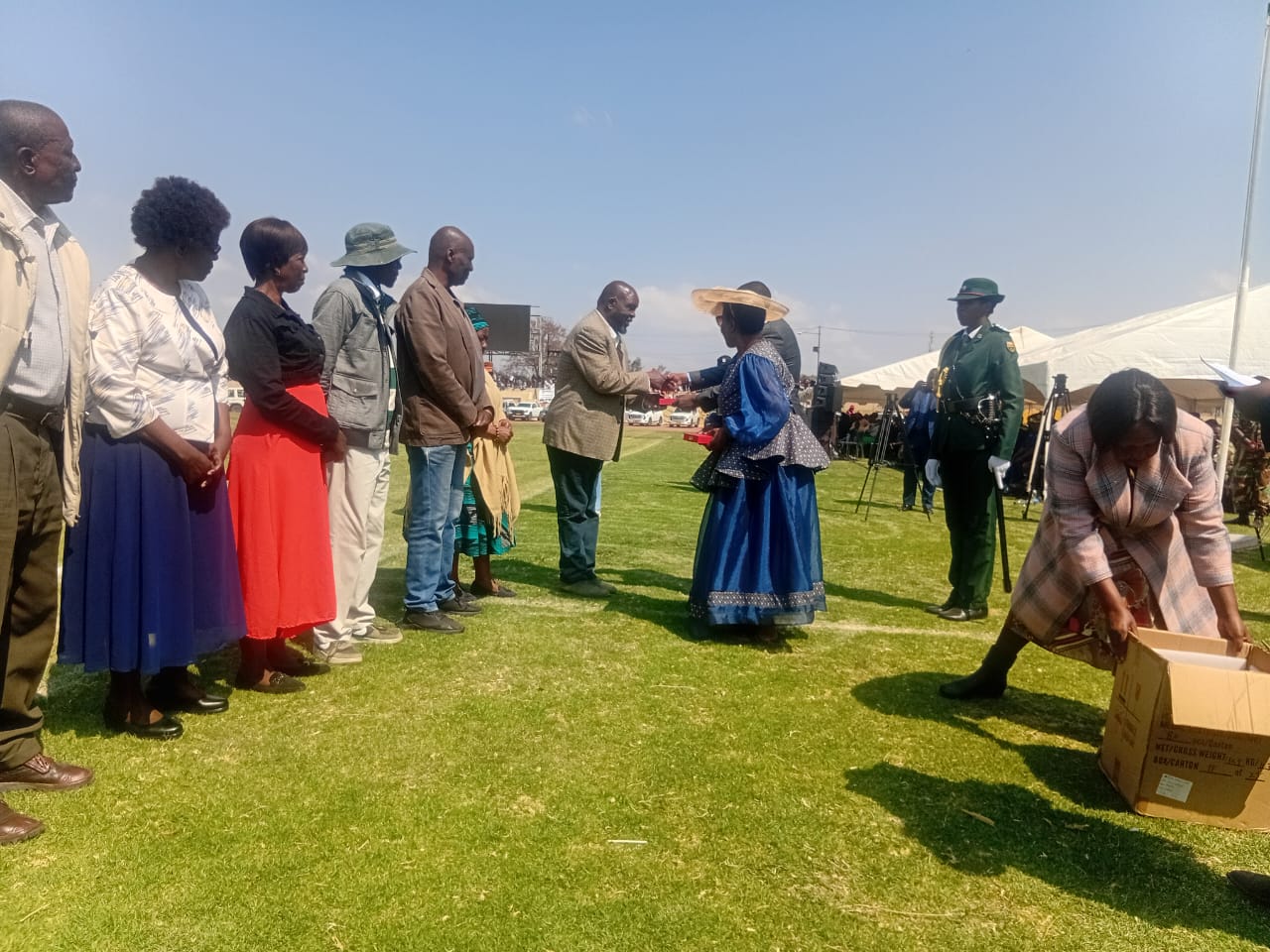
THE decision by the Government to honour 50 000 veterans of Zimbabwe’s liberation struggle with Independence medals during this year’s Zimbabwe Defence Forces (ZDF) Day celebrations represents far more than a ceremonial conferment of national awards.
It is a powerful statement about how a nation chooses to remember its past, recognise those who shaped its destiny and transmit the values of the liberation struggle to generations that were born after independence.
The mass conferment of the medals, one of the country’s largest national recognition programmes for liberation war veterans, is particularly significant coming at a time when the Second Republic has placed renewed emphasis on recognising the contribution of veterans of the liberation struggle.
For a country whose independence was achieved after a protracted armed struggle, national celebrations cannot merely be about marking the attainment of political freedom on April 18, 1980.
They must also provide an opportunity to remember the men and women whose sacrifices made that freedom possible.
That is why the decision to honour 50 000 veterans during the ZDF Day commemorations should be viewed within the broader national project of preserving Zimbabwe’s liberation heritage.
The medals are, therefore, not simply pieces of metal presented to elderly former combatants and other veterans. They carry a deeper symbolic meaning.
They represent national gratitude. They acknowledge sacrifice.
And, perhaps most importantly, they reinforce the historical connection between the liberation struggle and the independent Zimbabwe that emerged from it.
Government has said the awards are part of ongoing efforts to recognise and honour those who sacrificed their lives for the country, in line with constitutional provisions providing for the recognition of individuals who have made significant contributions to national development.
This is important because liberation history is not sustained by monuments and textbooks alone.
It is sustained by recognising the people who lived that history.
For decades, many veterans carried their experiences quietly, with some spending much of their post-independence lives in the public service, the security sector, communities and other spheres of national life.
The Independence medals provide an opportunity to place their contribution firmly within the national narrative.
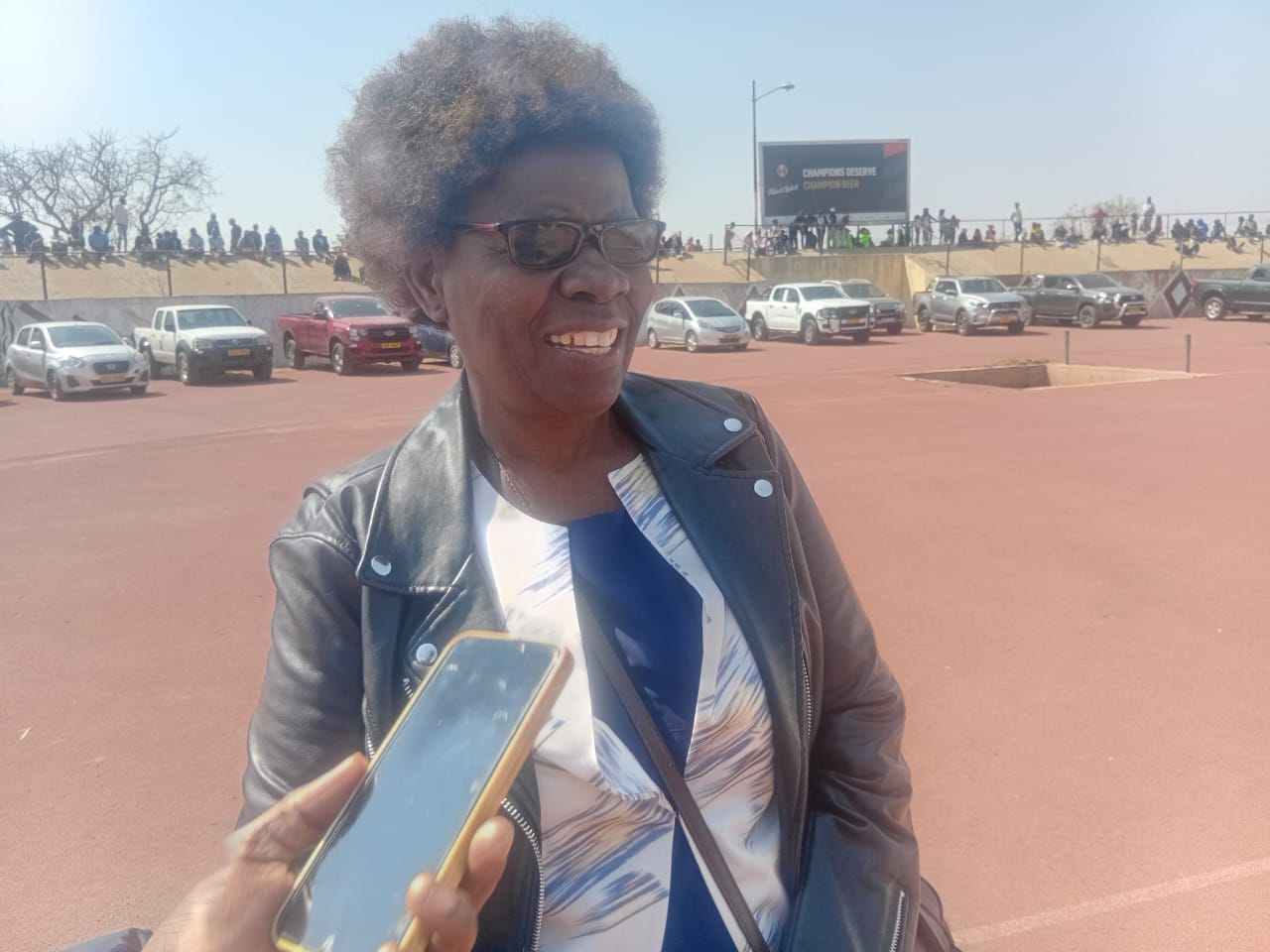
For war veteran Cde Dryjean Esau Moyo, the recognition was particularly meaningful as it affirmed that the sacrifices made during the liberation struggle had not been forgotten.
“I am happy to be honoured and to receive this medal. It is one of the many medals I have received since 1980, but this recognition is special because it shows that the role we played during the liberation struggle is being recognised,” he said.
There is a telling significance in Cde Moyo’s observation.
Recognition is not only about rewarding the recipient. It also answers a fundamental question that has confronted many liberation war veterans over the years: Does the nation still remember what was sacrificed to secure its freedom?
For Cde Moyo, the answer came through the medal.
He also captured the inter-generational importance of the programme, saying the recognition would inspire young Zimbabweans to understand the sacrifices that produced independence.
“I am happy that the President appreciates our efforts during the liberation struggle.
“This recognition will go a long way in inspiring future generations to understand and value the sacrifices made by those who fought for the liberation of the country,” he said.
That message is central to the significance of the awards.
Zimbabwe’s younger generation largely came of age after independence. For many of them, the liberation war is a chapter in history books rather than a lived experience.
As the generation that participated directly in the struggle grows older, the urgency of preserving its testimony becomes greater.
National honours such as these provide a bridge between generations.
Cde Charles Madumejah’s story illustrates the journey taken by many liberation war veterans from the bush war to national service.
He joined the liberation struggle in 1977 and received military training in Libya the following year before returning home. After independence, he served in the Ministry of Health and Child Care before joining the Zimbabwe Prisons and Correctional Service in 1988.
He eventually retired as a commissioned officer in 2013 and remains active in the veterans’ structures.
“It has been a long journey and this recognition means a lot to me. I did not expect such recognition, but it is an honour to be here,” he said.
His words underscore another important dimension of the programme: the liberation struggle did not end for many veterans when the guns fell silent.
Instead, independence opened a new chapter in which former freedom fighters were expected to contribute to building and defending the country they had fought to liberate.
Cde Madumejah said the recognition should remind young Zimbabweans that freedom came at a price.
“Such recognition is important because it reminds the younger generation that the freedom we enjoy today came through sacrifice.
“It should inspire them to value and protect the gains of the liberation struggle,” he said.
That is perhaps the most important political message contained in the awards.
Liberation credentials should not simply be invoked during national holidays and political rallies.
They should be translated into a continuing national consciousness about the responsibilities that come with independence.
The recognition of Cde Florine Tlou is equally significant as it broadens the understanding of who participated in the liberation struggle.
Cde Tlou left Zimbabwe in 1977 and went to Mkushi Camp in Zambia, where she received training.
In 1978, she was selected with three other women for communications training and subsequently worked in the office of the late Vice President Dr Joshua Nkomo, where she was responsible for communications.
“I returned to Zimbabwe in January 1980. I am happy that after 46 years, I have finally received this medal. It makes me happy to know that my contribution has been recognised,” she said.
Her experience is a reminder that the liberation struggle was never solely a story of combatants carrying weapons.
It involved communications personnel, medical workers, women and youth, political organisers, intelligence networks, community leaders and countless others who performed roles without which the armed struggle could not have been sustained.
Cde Tlou’s story also brings the question of women’s contribution to the liberation struggle into sharper focus.
Although she did not join the army after returning from Zambia, she continued serving Zimbabwe through the public service under the Ministry of Health and Child Care.
“Today, I have been honoured, and I am grateful that my contribution has not been forgotten,” she said.
That sentiment captures the essence of national recognition.
It is about ensuring that the national memory does not become selective.
The same applies to war collaborators, whose contribution has sometimes received less attention in popular accounts of the liberation struggle.
Cde Gertrude Moyo, one of the war collaborators honoured, recalled how communities supported the liberation fighters by providing food, clothing and crucial information.
“I was a war collaborator responsible for making sure that the comrades had eaten and that their clothes were clean.
“We also gathered information about the movements and whereabouts of enemy forces and passed it on to the liberation fighters,” she said.
Her testimony is particularly important as it demonstrates that the liberation war was fought not only in military engagements but also within communities.
The fighters needed food. They needed information. They needed shelter and clothing.
They depended on ordinary villagers who took enormous risks to support them.
In many cases, such collaborators operated away from the battlefield and therefore their contribution could easily disappear from the national record.
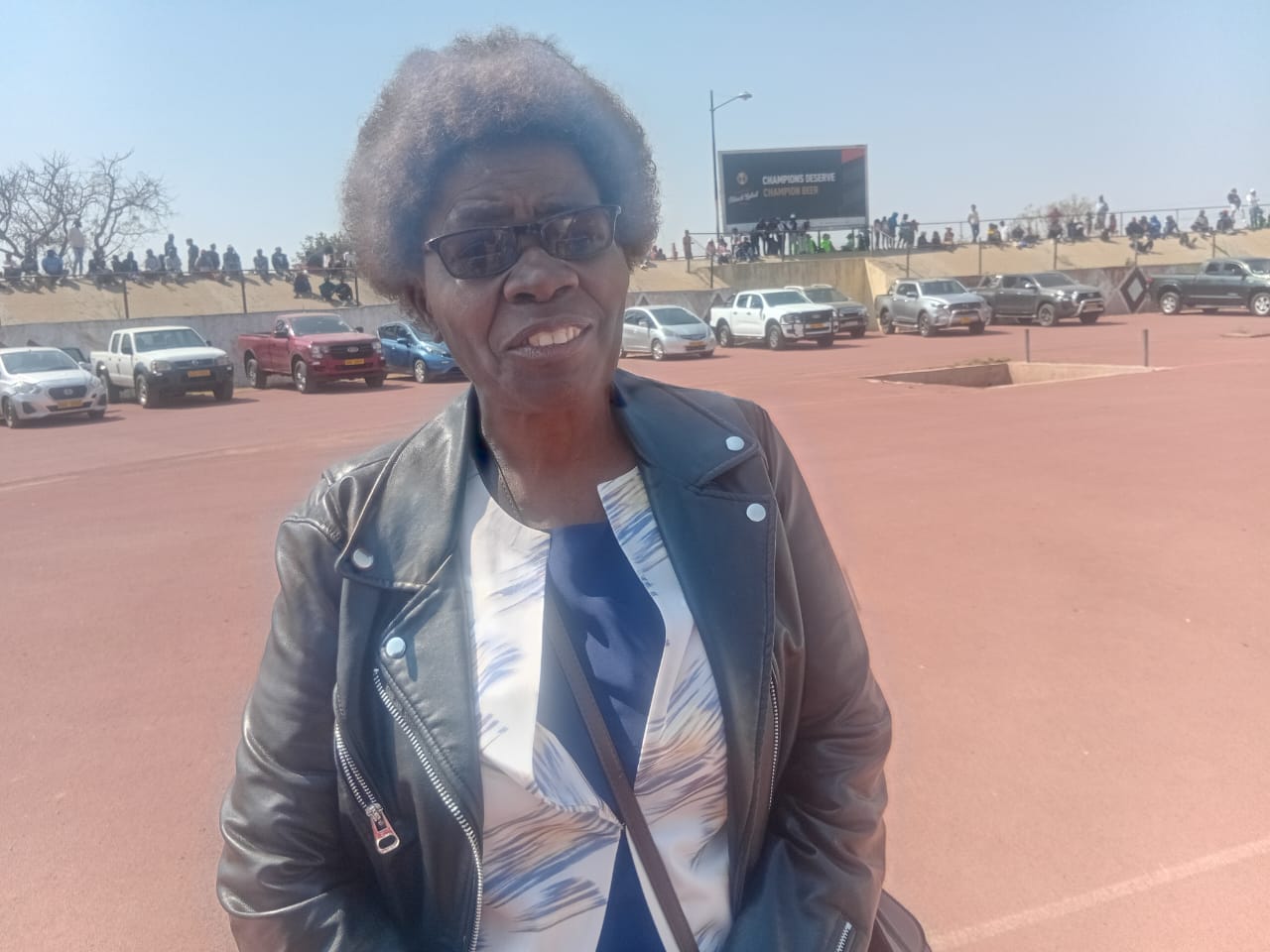
Cde Moyo’s recognition consequently serves as a reminder that Zimbabwe’s liberation was a collective enterprise.
The 50 000 medals should therefore be understood as part of a continuing effort to construct a comprehensive and inclusive record of the liberation struggle.
The challenge now is to ensure that the recognition does not end with the presentation of medals.
National honours acquire their fullest meaning when they are accompanied by deliberate efforts to document the experiences of recipients, preserve their oral histories and incorporate their testimonies into the country’s educational and cultural institutions.
The veterans are living repositories of Zimbabwe’s liberation history.
Their stories should be recorded while they are still able to tell them in their own voices.
The significance of the awards also lies in the message they send about the relationship between the State and those who contributed to its creation.
For veterans who may have spent decades wondering whether their sacrifices remain valued, a national medal is a public affirmation that their contribution forms part of the country’s collective heritage.
Politically, the programme also reinforces the foundational narrative of the post-independence State: that Zimbabwe’s sovereignty was achieved through sacrifice and that the responsibility to safeguard that sovereignty is a continuing national duty.
This does not mean that Zimbabwe’s history should be reduced to political slogans.
Rather, it demands a more mature engagement with the liberation legacy, one that acknowledges the sacrifices of those who fought, those who supported them and those who subsequently devoted themselves to nation-building.
The honouring of 50 000 veterans is therefore both retrospective and forward-looking.
It looks backwards to acknowledge the price paid for independence, while looking forward by challenging younger Zimbabweans to understand what that independence means.
As Cde Moyo aptly put it, the recognition should inspire future generations to value the sacrifices made by those who fought for the country.
That is the enduring value of national honours.
A medal cannot repay a sacrifice made decades ago. It cannot restore years spent away from families, erase the pain of war or fully capture the risks taken by ordinary Zimbabweans during the liberation struggle.
But it can say something profoundly important: the nation remembers.
And in the long march of Zimbabwe’s history, remembrance matters.
As the generation of liberation war veterans gradually gives way to younger generations, programmes such as the conferment of Independence medals become essential instruments for safeguarding the country’s historical memory.
The 50 000 recipients have not merely been given medals. They have been formally inscribed into the national story.
For Zimbabwe, that is a fitting tribute to a liberation legacy built on sacrifice, resilience and an unwavering determination to achieve independence.