Online Reporter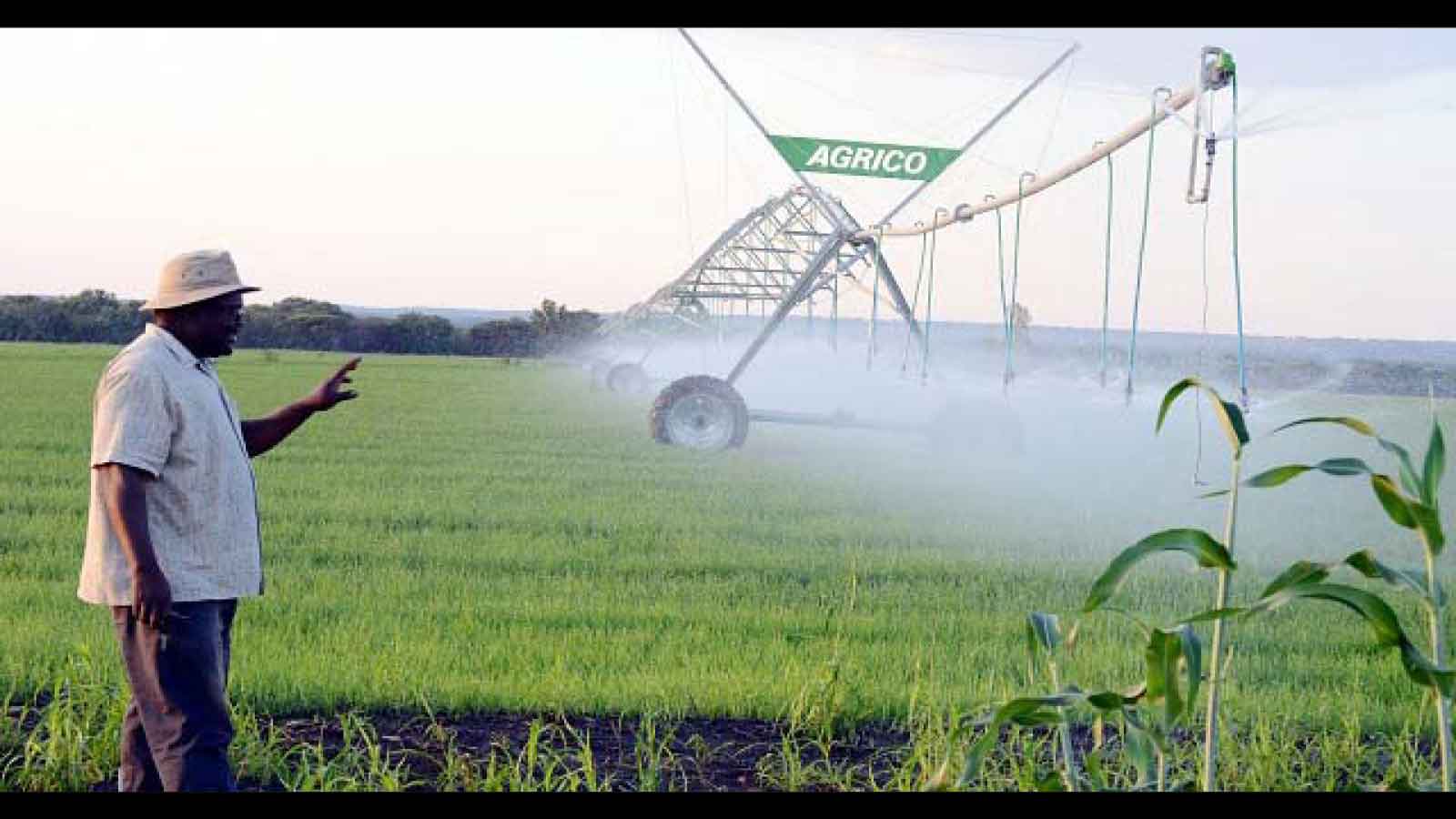
Precious Manomano-Herald Reporter
AGRICULTURAL and Rural Development Authority joint ventures and irrigation schemes are leading deliveries to the Grain Marketing Board, accounting for 91 percent of all crops delivered so far in the 2026/27 marketing season, as the country continues to reap the benefits of increased agricultural productivity under the Second Republic.
Latest figures from the Agricultural Rural Development Advisory Services (ARDAS) show that total grain deliveries have reached 154 657.597 tonnes, up from 67 185.163 tonnes recorded during the corresponding period in the 2025/26 season, representing a 130 percent increase.
The rise in deliveries reflects the success of Government interventions introduced under the Second Republic, including expanded irrigation development, mechanisation programmes, climate-proofed agriculture, enhanced farmer support schemes and the revitalisation of ARDA estates through strategic partnerships.
These initiatives have transformed the country from a food-deficit nation into a food-secure country, with record harvests being recorded across several strategic crops in recent years.
According to ARDAS, the ARDA joint ventures and irrigation schemes have delivered 99 360.324 tonnes of maize, 36 040.265 tonnes of traditional grains, 2 353.512 tonnes of soyabeans and 2 425. 141 tonnes of sunflower.
Combined, these deliveries amount to 140 179.242 tonnes, representing 91 percent of all crops delivered to the GMB so far this season.
The strong performance underscores the growing importance of irrigation-backed agriculture, which has become a cornerstone of Government’s strategy to reduce reliance on rainfall and build resilience against climate change.
Since 2018, Government has invested heavily in irrigation rehabilitation and expansion, while promoting public-private partnerships through ARDA joint ventures to maximise productivity on both public and private agricultural land.
Maize deliveries account for the bulk of the grain received so far, with farmers delivering 113 634.764 tonnes compared to 32 538.735 tonnes during the same period last season, representing a 249 percent increase.
Traditional grains also registered strong growth.
White sorghum deliveries increased to 11 694.591 tonnes from 4 146.625 tonnes during the same period last year, representing a 182 percent increase.
Pearl millet deliveries rose by 66 percent to 566.079 tonnes from 340.341 tonnes, while soyabean deliveries increased by 88 percent to 2 353.512 tonnes from 1 251.625 tonnes.
Wheat deliveries also recorded substantial growth, reaching 71.452 tonnes compared to just 6.373 tonnes delivered during the same period last year.
The improved performance comes against the backdrop of the country’s remarkable wheat success story under the Second Republic, which saw the country attain wheat self-sufficiency from 2022 and consistently produce enough wheat to meet national requirements.
However, red sorghum deliveries declined by nine percent to 23 911.684 tonnes from 26 304.060 tonnes last season, while sunflower deliveries fell by 7 percent to 2 425.141 tonnes from 2 597.240 tonnes.
The latest figures also show increased contributions from other farmer categories.
Under the Presidential Inputs Programme (PIP), farmers have delivered 231.649 tonnes of maize.
Self-financing farmers have delivered 10 719.914 tonnes of maize and 71 452 tonnes of wheat, contributing a combined 10 791.366 tonnes, representing 7 percent of total deliveries.
Farmers participating under the 10kg Appreciation Programme have delivered 3 322.878 tonnes of maize and 132.172 tonnes of traditional grains, contributing a combined 3 455.340 tonnes. On Agrodura grain deliveries, ARDA JVs and irrigation schemes have contributed 30 791.290 tonnes, while other farmers delivered 2 470.814 tonnes, bringing total deliveries under the facility to 33 262.104 tonnes.
Meanwhile, the Strategic Grain Reserve (SGR) increased by 8 135 tonnes during the week under review, rising 3 percent from 256 790 tonnes to 264 925 tonnes.
Government is also on the verge of meeting its summer grain intake target of 150 000 tonnes, with 146 423 tonnes already mobilised, representing 98 percent of the target.
ARDAS said the remaining 3 576 tonnes, representing about two percent of the target, were expected to be mobilised during the course of the week. The continued growth in grain deliveries reinforces the impact of the Second Republic’s agricultural transformation agenda, which has prioritised irrigation development, mechanisation, climate-smart agriculture and strategic partnerships as key drivers of food security, rural industrialisation and economic growth.