admin
admin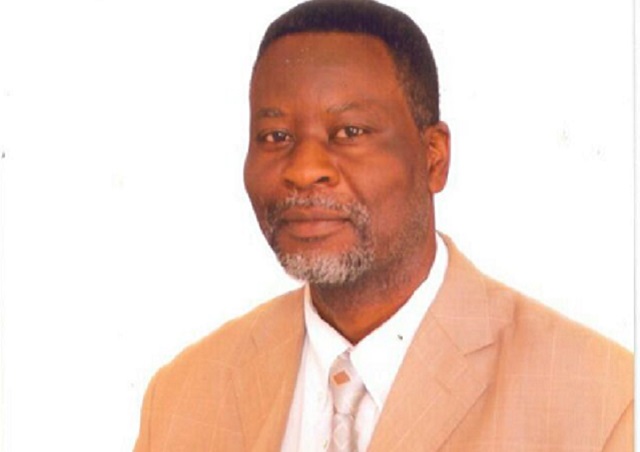
Gibson Mhaka/Nhlalwenhle Ngwenya
THEY say home is where the heart is but when Thembelani Sibanda (27) of Mzilikazi suburb in Bulawayo got a Presidential pardon, he hardly spent a day outside as he was a�?re-arresteda�� for housebreaking.
Sibanda was found in possession of property stolen from different homes in the leafy suburb of Kumalo a few days after being part of over 2 000 inmates who were released on Presidential Amnesty on Africa Day.
Sadly in as much as the move was celebrated, some of those pardoned criminals like Sibanda have already made their way back to prison barely a few hours or days after being granted their freedom.
Their immediate return to prison has raised a lot of questions on whether it is the prison sentences that are not succeeding in turning the majority of offenders away from crime or is it that correctional facilities are failing to rehabilitate criminals?
Probably for some of these pardoned criminals, crime has undoubtedly become a habit or a survival instinct that they would have horned to perfection during their incarceration.
While there are several reasons for this alarming trend, experts who separately spoke to B-Metro who deal with both convicts and ex-convicts expressed different views on the scale of offences by those who had been out of prison for a matter of days.
They raised several reasons ranging from psychological, lack of skills, stigma and social seclusion by members ofA� society.
Pastor Frank Mhlanga (ABOVE) who is secretary for media and publicity for Prison Ministries International in Zimbabwe, based in Bulawayo, said lack of behavioural change strategies and exit support for pardoned inmates was one of the major reasons why they made their way back to prison.
a�?It is clear that many prisoners have poor skills and little experience of employment, severe housing problems and a few social networks and when released, the society or agencies are far from absorbing them and because of this prisoners are actively de-prioritised.
a�?Another issue is that many prisoners have experienced a lifetime of social exclusion hence they thought the prison is the only place where they can be accommodated. What usually happens is that upon being pardoned one might face financial challenges to sustain himself or herself and end up resorting to crime as the only way or escape from that challenge.
a�?Stigmatisation from friends, family and the community at large is also another reason why pardoned inmates go on to commit another offence within a few days of being released from prison. There might also be other various reasons like if peace circles are not done with the family a favourable reception might be denied to the inmate due to economic hardships leading him or her to commit another offence as compensatory behaviour,a�? said Pastor Mhlanga.
As a solution to re-offending, Pastor Mhlanga said structures in society have to be created to welcome ex-convicts so that they can manage to cope well with others without resorting back to crime.
A senior prison officer who spoke on condition of anonymity for professional reasons outlined reasons for re-offending and effective measures that can be taken by the Government to tackle this problem.
a�?It is true that some criminals commit crimes again after they have been punished or released and there are two reasons to that. Firstly, the prison system can make the situation worse. Since criminals are put together in prison they can easily make friends with other offenders and exchanged information about what they have done before they came to the prison or plan crimes they will commit after being released.
a�?Secondly, offenders often do not have any other means of earning money. They are poor, uneducated and lacking skills needed to maintain a job. For example, according to studies by correctional and rehabilitation facilities being in employment highly reduces the risk of re-offending by 30 percent. Also, a criminal record makes finding a job difficult as people usually avoid hiring ex-convict,a�? said the senior prison officer.
To solve the problem, the prison officer said, Government should focus on rehabilitation of criminals rather than punishment.
He said above all prisons need vocational training which makes inmates prepare for life outside prison.
a�?They can learn practical skills such as car maintenance, carpentry and hairdressing. In this way they can be hired for a position that requires this certain knowledge and skills. Members of society should also understand that offenders, upon their release can also become useful to their respective communities,a�? he said.
A local psychologist Allan Sibanda said criminals who commit crimes after having served time in prison lack counselling.
a�?It is true that re-offenders are one of the problems in our communities. This problem can be solved by focusing on rehabilitation and counselling rather than punishment itself. Several rehabilitation processes like counselling can help inmates on how they view society upon their release.
a�?Most of the prisoners that go back to jail need more attention. Some of these problems are psychological and need special attention. But all in all society as a whole has a significant role to play when it comes to looking at ex-convicts as they still need their emotional, psychological and economic support,a�? he said.



 Online Reporter