Online Reporter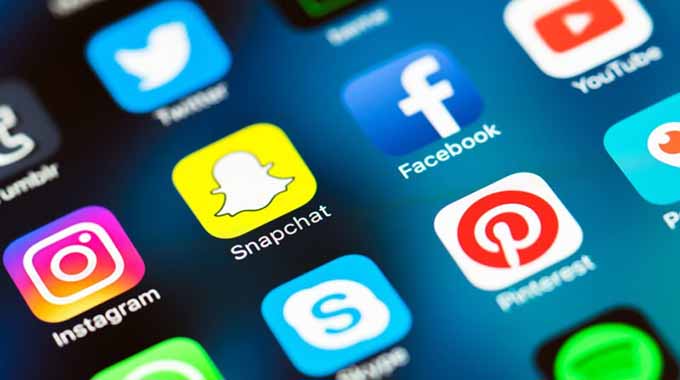
Jacqueline Ntaka [email protected]
TAKE a moment to think about how many apps you use each day. From WhatsApp and Facebook to banking, shopping and navigation apps, most of us rely on them without giving much thought to what happens behind the screen.
There is no doubt that mobile apps have made life easier. A smartphone can now serve as a bank, office, shopping centre, entertainment hub and communication tool all in one. Whether someone is paying bills, ordering a taxi, running a business or keeping in touch with family, apps have changed the way people live and work.
However, convenience often comes with a hidden cost.
Many users assume that a free app costs nothing. In reality, many free apps generate revenue by collecting data about their users. Every search, click, location check-in and online purchase can reveal something about a person’s habits and preferences. Over time, this information creates a detailed picture of who they are and how they behave online.
Developers argue that collecting data helps improve services. A shopping app can recommend products based on previous purchases, while a navigation app can provide faster routes by tracking location data. In many cases, this information genuinely helps apps deliver a better user experience.
The concern is that many people do not fully understand how much information they are sharing.
Most users quickly accept terms and conditions without reading them. As a result, they may unknowingly grant apps access to contacts, photographs, microphones, cameras or location data.
While many reputable companies handle this information responsibly, data breaches and privacy concerns have become increasingly common worldwide.
Social media platforms provide a clear example of this trade-off. Billions of people use them for free, yet they generate enormous profits through advertising. The more these platforms know about their users, the more effectively they can target adverts. In simple terms, user data has become a valuable business asset.
This has led many experts to argue that when a service is free, the user is often part of the product.
Companies provide useful services, while advertisers pay for access to audiences whose interests and behaviours can be accurately analysed.
Does that mean people should stop using apps? Certainly not.
Most apps offer real benefits. Banking apps simplify financial management, educational apps help people learn new skills and communication platforms keep families connected across vast distances. Modern life would be far more difficult without them.
The key is to use apps wisely. Users should download applications only from trusted sources, regularly update their devices and carefully check the permissions they grant. If a simple app requests access to information that seems unrelated to its purpose, it is worth asking why.
So, who benefits most from mobile apps? The answer is both users and technology companies.
Users gain convenience, speed and access to services that previous generations could only imagine. Companies, meanwhile, gain valuable data, advertising revenue and insights into consumer behaviour.
Mobile apps have undoubtedly transformed modern life for the better. Yet as technology continues to evolve, users must remember that every tap, click and swipe leaves a digital footprint.
Convenience is important, but protecting personal information is equally valuable in today’s connected world.
l Jacqueline Ntaka is the CEO of Mviyo Technologies, a local tech company that provides custom software development, mobile applications and data analytics solutions. She can be contacted on [email protected]