Online Reporter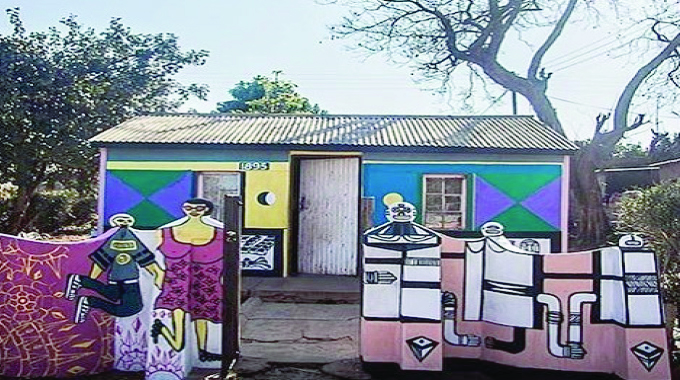
Stanford Chiwanga, [email protected]
MAKOKOBA is more than just a high density suburb in Bulawayo as it stands as a living monument to Zimbabwe’s fight for liberation. To call it the “bedrock of Zimbabwe’s independence” aptly describes its role as a covert sanctuary, a crucial strategic point, and a hotbed of resistance against the oppressive Rhodesian regime.
The very foundation of Makokoba was laid upon the foundation of colonial segregation, a system designed to confine and control the African population. Yet, within its tightly packed streets and humble dwellings, a powerful blend of resilience and revolutionary zeal took root. The township’s intricate network of narrow lanes and alleyways, often shrouded in the dim light of poverty, provided an ideal refuge for clandestine operations. Freedom fighters such as Lookout Masuku, a pivotal commander within Zipra, found safe harbour and crucial support within Makokoba’s community.

The township served as a vital transit point, facilitating the movement of operatives between Botswana and the rural operational zones where the armed struggle was being waged. It was within the hidden corners of Makokoba that secret meetings were held, where arms were discreetly stored, and where strategies were meticulously formulated. Individuals like Thenjiwe Lesabe, a significant figure within the Zapu party, played a crucial role in organising and mobilising the people from within these tightly knit communities.
Women, the “imbokodo” of the liberation struggle, played an indispensable role, providing not only food and shelter but also vital intelligence that proved invaluable to the liberation movement. Figures like Jane Ngwenya, a steadfast pillar of the liberation struggle, recognised the importance of grassroot mobilisation and utilised Makokoba as a base from which to organise and empower women.
Residents, knowing the risks, courageously provided shelter to freedom fighters, often facing brutal reprisals from the Rhodesian security forces. These brave individuals also played a vital role in distributing pamphlets and disseminating crucial information, tasks that would have been otherwise impossible under the watchful eye of the regime.
Makokoba’s vibrant cultural scene became a powerful tool for mobilisation. Musicians like Lovemore Majaivana, through his music often carried subtle messages, and other musicians of the era, used their art to convey messages of resistance and hope, weaving tales of struggle and aspiration through their lyrics. Poetry and storytelling served as vital forms of communication, spreading revolutionary ideas and fostering a sense of national identity, while plays and dramatic performances were used to educate the masses about the injustices of the colonial system, bringing the realities of oppression into sharp focus.

Beyond well-known figures of Makokoba, countless unnamed heroes, the ordinary residents who provided food, shelter, and information, risked their lives daily, their contributions equally vital to the struggle. Makokoba’s legacy extends far beyond the physical boundaries of the township, serving as a powerful reminder that the struggle for independence was a collective endeavour, driven by the unwavering commitment of ordinary people.
Efforts to preserve the historical significance of Makokoba are crucial for ensuring that future generations understand the sacrifices made for their freedom. Oral histories, archival research, and community-based initiatives are vital for documenting and preserving the stories of Makokoba’s heroes, ensuring that their bravery and dedication are not forgotten.
The spirit of resilience and community solidarity that characterised Makokoba’s role in the liberation struggle remains relevant in contemporary Zimbabwe, the township’s history serving as a powerful reminder of the importance of social justice, equality, and the ongoing struggle for a better future.
By acknowledging the contributions of Makokoba and its residents, Saturday Chronicle pays tribute to the true architects of Zimbabwe’s independence, their stories reminding us that freedom is not a gift, but a hard-won victory, forged in the crucible of resistance.