Online Reporter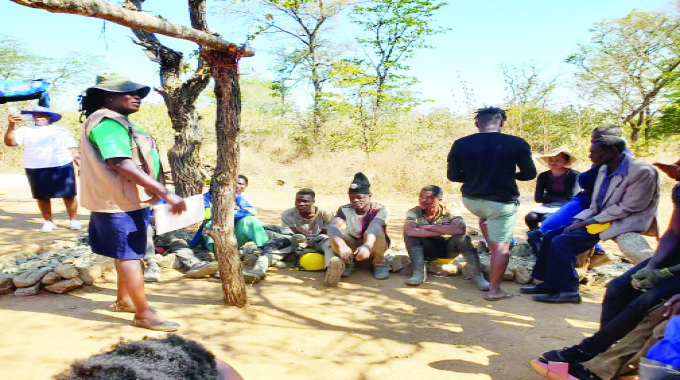
Robin Muchetu recently in Tsholotsho
ARTISANAL miners in Tsholotsho District are increasingly receptive to HIV awareness efforts, leading to positive changes in their health-seeking behaviours and sexual practices.
The shift follows the rollout of the “Behaviour Change Community Motivators” (BCCM) programme introduced in the district.
The miners have acknowledged that they previously engaged in risky behaviours, such as frequenting sex workers, who often travel from distant places like Bulawayo and sometimes lacked access to condoms due to the remoteness of their work sites from health facilities.
Mr Webster Shuvha, (32) an artisanal miner at Nsimbini Mine in Nala Village (Ward 20), highlighted the impact of the programme:
“The National Aids Council’s initiative has helped us make informed decisions about our sexual health.
“We learn about HIV and how it affects us as young men working in the mines.”
He explained that alcohol consumption during leisure time often led to unprotected sex with sex workers, increasing the risk of HIV transmission.
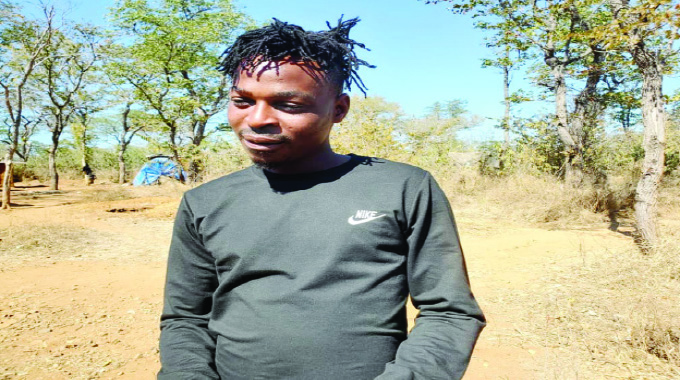
“When we are drunk, using condoms becomes unlikely, which exposes us to HIV and other sexually transmitted infections. Some miners have wives back in the villages, so this risk could potentially spread the virus further.”
Mr Shuvha also noted that awareness about preventive measures, such as Post-Exposure Prophylaxis (PEP) and Pre-Exposure Prophylaxis (PrEP) has improved among miners, thanks to the BCCM programme.
“We now know that hospitals provide drugs like PrEP and PEP, which can prevent infection if we are exposed,” he said.
Furthermore, the miners benefit from condom supplies provided by their local BCCM mentor, Ms Sibusisiwe Gumede.
She regularly supplies condoms and encourages their use.
“Our main challenge was the lack of access to health services like condoms, PrEP and PEP because our work sites are far from clinics.
“Now, with Ms Gumede’s help, we have condoms readily available and we are encouraged to use preventive drugs if we feel at risk,” said Mr Shuvha.
Sex workers are a common presence at the mining sites, seeking to earn a living. The miners admitted that prior to the programme, unprotected sex was frequent due to limited access to condoms.
“Sex workers frequently visit the mines, especially on weekends. When condoms were scarce, we took risks. Now, with our mentor’s support, we can protect ourselves,” he added.
He added that miners now regularly perform self-HIV testing to know their status.
“We have requested HIV self-testing kits and use them regularly. It’s important to know our status to stay safe.”
Ms Gumede, the BCCM mentor, praised the miners’ receptiveness to the HIV education and preventive measures:
“They are very engaged. I conduct training sessions lasting about an hour and a half during lunch hours. Initially, their methods of protection were ineffective but now they understand the importance of consistent condom use.”
She also mentioned that she refers five to six miners each month for HIV testing, noting this as a positive development.
Traditional community leaders have also welcomed the HIV awareness initiatives, recognising that the miners share information with their families and wider communities, thereby amplifying the programme’s impact.