admin
admin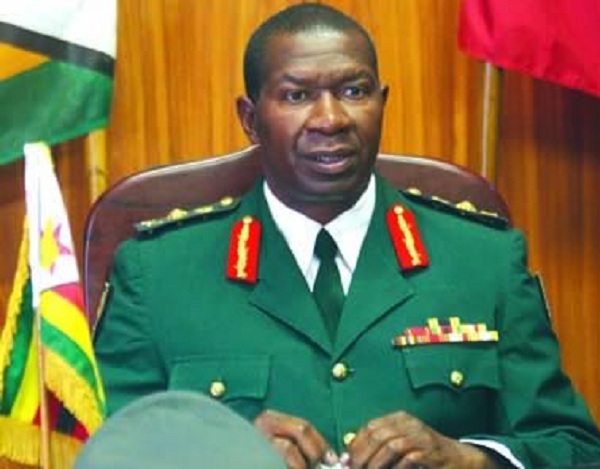
Raisdon Baya
Soldiers do not come from a vacuum. They are not robots. Soldiers are not manufactured in some dingy backyard factory and then ferried to different barracks or stations.
Soldiers are human beings and come from different communities and cultures.
This was the underlying message during the inaugural culture day at Lookout Masuku barracks (formerly Imbizo) by the recruits of 2017.
The culture day, running under the theme “instilling patriotism through culture”, was held on the eve of the recruits’ pass out parade and deployment this past week.
The football grounds where the event was held was a sea of colours — green, yellow, blue, red, purple, and burgundy representing the six companies participating in the culture day activities when we arrived. The colourful tracksuits won by the recruits were an early indication of the colourful ceremony and displays we later witnessed.
The varied colours were also symbolic of the diversity of Zimbabwe’s cultures — which the young recruits had been learning to appreciate in preparation of their graduation and deployment to the different parts of the country.
But more importantly, especially for visitors and guests, it was a day of coming face to face with all the 15 different cultures of Zimbabwe as espoused in the country’s constitution. The whole exercise was done in the spirit of strengthening national unity.
There is no better way to understand each other than partaking in each other’s cultural activities and seeking to know more about one’s neighbours and friends. Culture is what keeps us grounded and together.
The culture day started with a tour of the cultural displays led by the Commander of the Zimbabwe National Army, Lieutenant General Philip Valerio Sibanda and Chief Sigola. (I must say the inclusion of Chief Sigola and Pathisa Nyathi was a master-stroke on the part of the army. The role of chiefs as custodians of our culture was recognised and it gave the whole event an aura of authenticity.)
The six companies taking part had been tasked to pick at least two cultures and make a presentations on them. We were taken through life size models of rural homesteads of the Nambya, Shangani, Karanga, Tonga, Zezuru, Xhosa, Kalanga, Ndau, Venda, Sotho, Manyika, Korekore, Ndebele, and others.
The models, mostly pole and dagga structures, were built by the recruits themselves and decorated with artefacts and paraphernalia relevant to the cultures on display.
We were all impressed, especially by how much effort and creativity had been put by the young recruits on the displays.
The whole delegation was totally bowled over by the attention to detail paid to the architecture of the homesteads — stand-outs being the Tonga, Ndau, and Kalanga houses. Brief histories, particularly about the origins of each tribe, accompanied all the displays.
The brief histories were narrated in the language of the tribe being presented (with English translations), but it was the respect accorded to each language that was the highlight of the event — a total lesson in mutual respect and integration.
Some of the presentations used drama, poetry and role play for effect and entertainment value. It was beautiful, fun and entertaining. It was also the day civilians witnessed the human and creative side of our soldiers.
There is no better way to demonstrate cultural diversity, respect, integration and unity than what we witnessed at Lookout Masuku barracks. According to the Commander of the Zimbabwe National Army, who was also the guest of honour of the day, there is strength in diversity and the sooner every soldier knows that the better the army and the nation. As we moved from one display to another it was interesting to note how water, mahewu or beer is used as a welcoming drink for visitors by most cultures.
Also interesting was the staple food and how it is prepared. Gender, politics and the agricultural set were also explored clearly showing who does what, when and how.
Other important rituals like marriage, rites of passage, and rain making ceremonies were also presented as part of the package.
After the tour of the stands, the Commander of the army, Chief Sigola, invited guests and visitors were treated to an amazing display of traditional dances from the fifteen cultures. Through dance, (and some of the young soldiers can move I tell you) the cultures were further dissected.
We were taken through Jerusalema mbende, Chinyambera, Tonga and Venda ceremonial dances. The Ndebele showcased Isitshikitsha while the Kalanga did amantshomane and isitape (more famous in Botswana). Vendas showcased their rain making ritual and dance while the Xhosa did the famous stick fighting.
For this week let me leave you with the words of one of the training officers who gave the vote of thanks: An uncultured soldier is not only a danger to himself but the whole nation.
Now we know why our soldiers have been hailed as amon the best in Africa.


 derick.khumalo