

 Online Reporter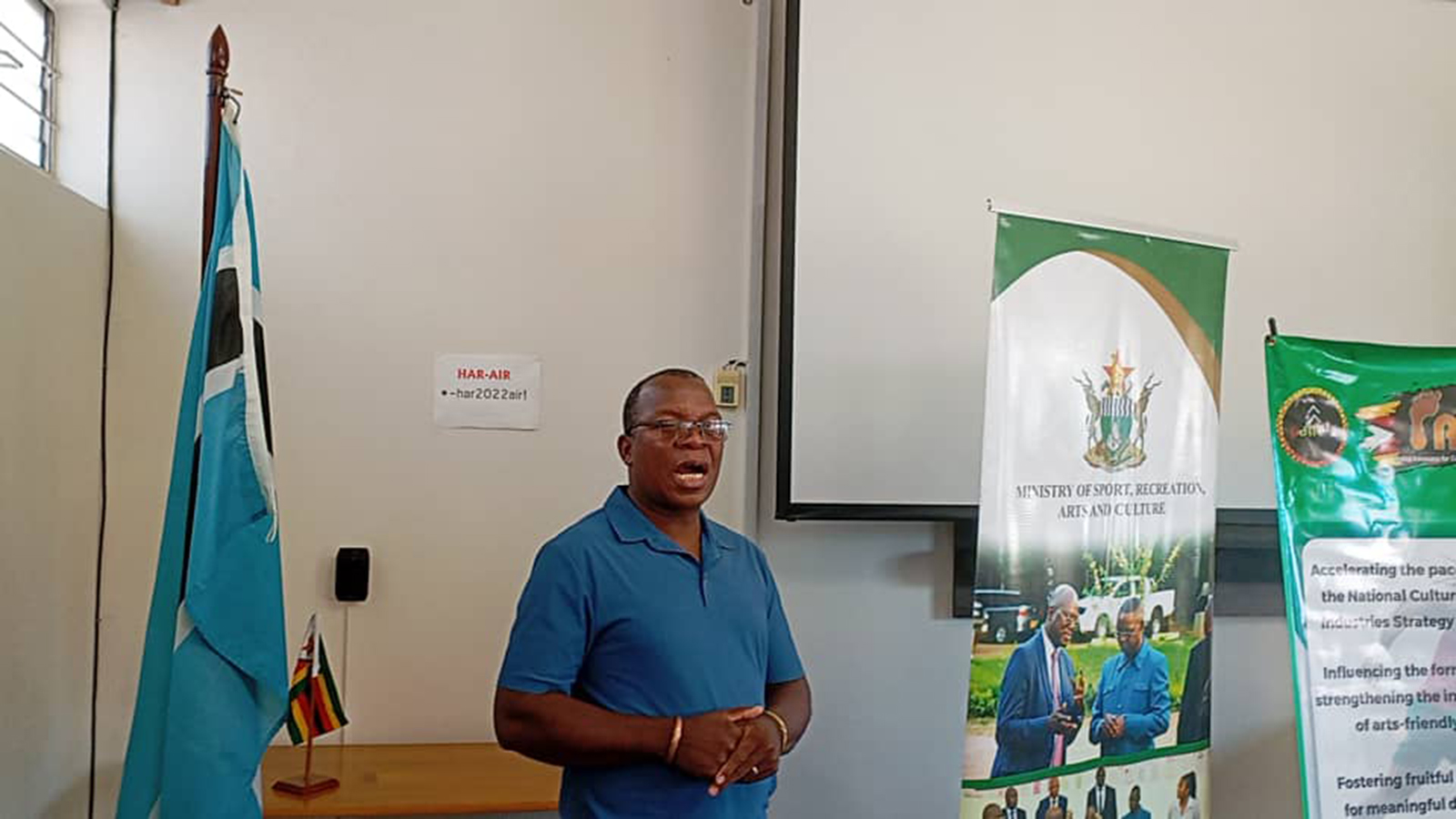
Zimpapers Entertainment Hub
IN a decisive move to transform Zimbabwe’s Creative and Cultural Industries (CCIs) from a sector reliant on piecemeal opportunities into a formal economic pillar, a coalition of arts stakeholders has developed comprehensive policy recommendations for the Government to ease access to local, regional, and international markets.
The proposals emerged during a Policy Advocacy for Creative Empowerment (PACE) session held at the UNESCO regional offices in Newlands last week.
The two meetings, which highlighted the need to institutionalise resources and market access, was underscored by a clear directive from a senior ministry official for artists to harness local opportunities.
The gathering was attended by arts stakeholders from across the country and government officials from various ministries.
It was convened by the Performance Arts Network for Empowerment Leadership in Zimbabwe (PANELZ) with funding from Culture Fund Creative Actions 2, a programme supported by the European Union.
PANELZ, a national network of performing artists and cultural organisations, initiated the PACE project to strengthen advocacy and build a structured policy dialogue between the creative sector and the Government.
During the engagements, key reforms were outlined, designed to formalise the sector’s role in national development.
The Acting Chief Director in the Ministry of Youth, Sport, Arts and Recreation, Dr Biggie Samwanda, while endorsing the pursuit of global markets, challenged creators to look first to their immediate surroundings.
“Markets go beyond Johannesburg or London. They are in Masvingo, Mutare, and Gweru; in our communities and schools,” Dr Samwanda told stakeholders.
He specifically encouraged artists to see the government’s National Development Strategy 2 (NDS2) as a prime opportunity to engage and market national agendas through creative content, underscoring the domestic demand for their services.
This call to action aligns with the core of the proposed policy measures, which aim to structurally unlock these local markets.
Central to the plan is a call to mandate Government procurement of creative services for national campaigns — a move that would create a sustainable domestic market for creatives.
The plan also advocates for a standardised National Accreditation System to certify creative practitioners, with specific pathways for areas like “Arts in Education,” directly responding to the call for engaging schools and communities.
Recognising chronic fragmentation within the sector, the recommendations push for the Government to facilitate a unified national federation to represent the sector’s interests with a single, powerful voice.
On the international front, the proposal calls for the posting of Cultural Attachés in every embassy and the establishment of Zimbabwe Culture Centres abroad.
However, this is balanced with domestic platform reforms, including the strict enforcement of local broadcast content quotas and the creation of dedicated media platforms for emerging creators.
With Dr Samwanda’s emphasis on localising the national development agenda and the sector’s detailed roadmap for institutional access, a new chapter of public-private cooperation in the creative economy appears poised to begin.
PANELZ is drafting a formal policy document based on these deliberations, which will be submitted for consideration and action by relevant government ministries and agencies.
“This dialogue meeting is the culmination of other meetings we have been having with stakeholders and high-level government officials, as the arts sector seeks to make its contribution towards achieving NDS2,” said PANELZ executive chairperson, Tafadzwa Muzondo.
“We have already engaged the government on the Ease of Doing Business, and now we have also conversed on access to markets and resources.”
Muzondo said the response from the Government has been promising.
“The engagements have been fruitful, and we are drafting action plans and policy recommendations that will transform the sector.”



