Online Reporter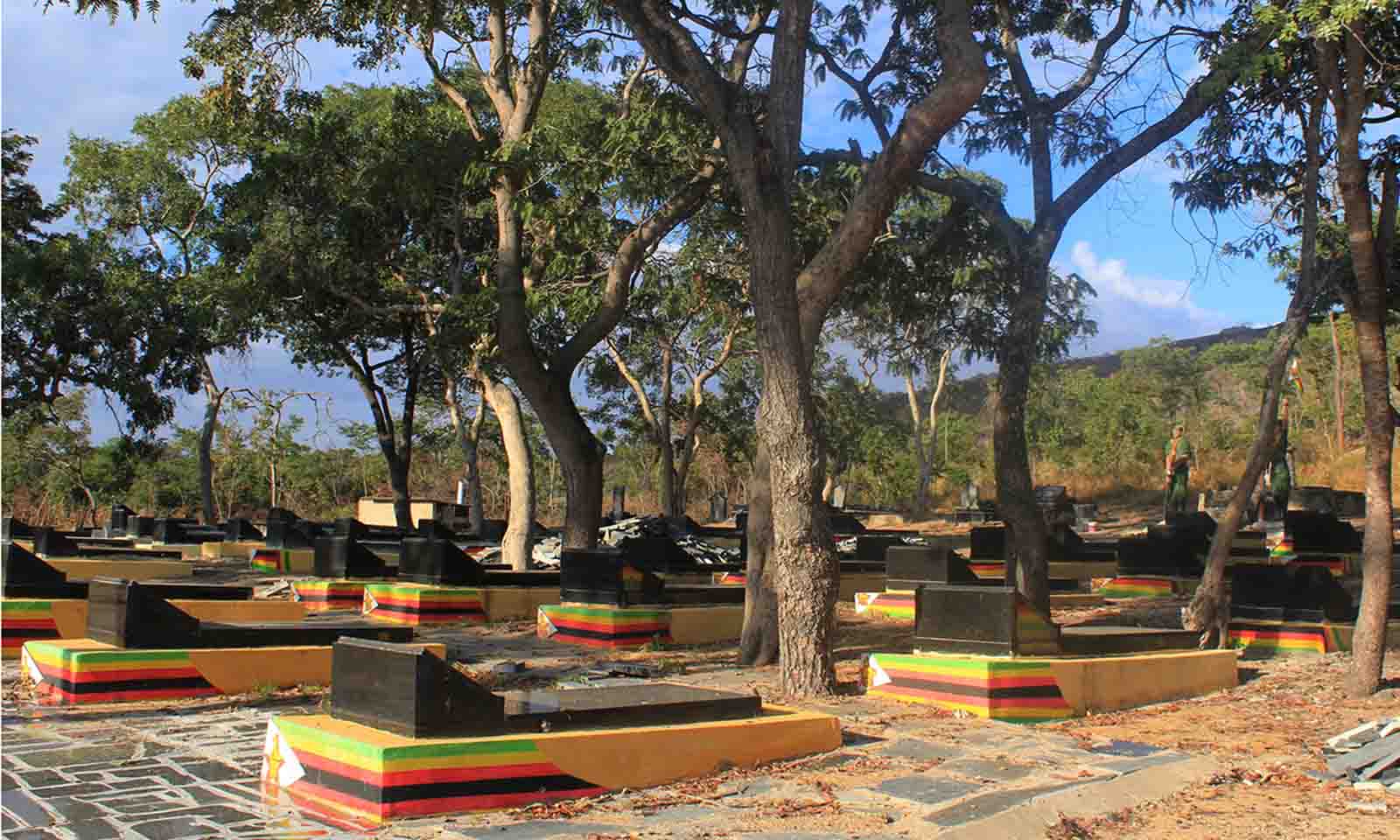
Richard Muponde
Zimpapers Politics Hub
THE forthcoming Heroes and Defence Forces Day commemorations serve as a poignant reminder of the country’s tumultuous past, marked by the valiant struggles of freedom fighters against the Ian Smith regime.
The Rhodesian forces’ atrocities committed during the liberation struggle are a stark reality that demands critical examination and reflection.
The testimonies of brutal killings, mutilations, and burnings of freedom fighters by Rhodesian forces paint a grim picture of the war.
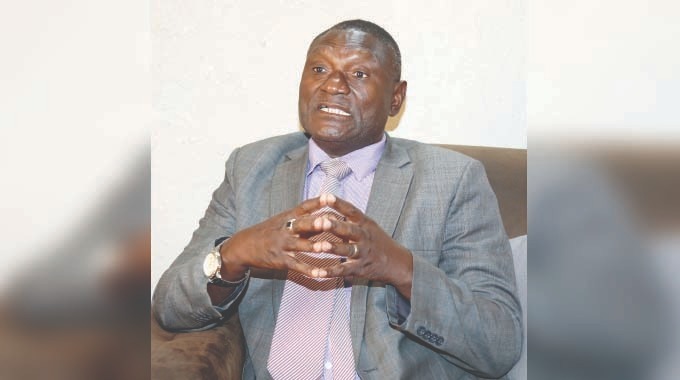
The Fallen Heroes Trust of Zimbabwe (FHTZ) chairman, Dr Arthur Makanda, recounts the harrowing experiences of exhumation efforts in areas like Hurungwe, where bodies were discarded in bushes, devoured by wild animals, or left with missing body parts, particularly heads.
These acts of violence and disrespect towards the dead underscored the dehumanising nature of the conflict.
Dr Makanda’s words evoke a sombre atmosphere: “We went to Hurungwe, and the amount of neglect of our comrades who died during the liberation struggle is a bit on the high side because some of these comrades were not even buried in shallow graves.
“They were just thrown around in the bushes, and their bodies were eaten by wild animals.”
This statement highlights the extent of the atrocities committed and the neglect of freedom fighters’ remains.
The neglect and abandonment of freedom fighters is a national issue of concern that warrants attention.
In some cases, the remains of freedom fighters were used for ritualistic purposes, with communities believing in the use of “juju” or taking body parts for their own ends.
The desecration of remains, including the mixing of bones with bricks in antique shops, highlights the extent of this neglect.
“We found comrades exposed with some of the bones actually having been mixed as they mould their bricks. So, this level of neglect and abandonment is painful for us all as a nation.”
Dr Makanda also touched on the complex issue of appeasement, where some freedom fighters are believed to be demanding appeasement from those who wronged them, including families who may have betrayed them to the Rhodesian forces.
The concept of “Ngozi” emphasises the need for cleansing and appeasement, guided by the wronged individuals themselves. This process requires sensitivity, respect and a deep understanding of the cultural and spiritual context.
As Zimbabwe commemorates Heroes and Defence Forces Day, it is essential to reflect on the sacrifices made by freedom fighters and the atrocities they endured.
The nation must prioritise the exhumation and dignified reburial of remains, while also addressing the issue of appeasement and cleansing.
By doing so, Zimbabwe can take a significant step towards healing, reconciliation and honouring the memories of those who fought for its liberation.
In the process of reflection and commemoration, it is crucial to preserve the history of the liberation struggle, including the experiences of freedom fighters, to educate future generations and promote national pride.
By confronting the dark aspects of its past, the country can forge a path towards healing, reconciliation and a deeper understanding of its history.
The Heroes and Defence Forces Day commemorations serve as a crucial opportunity for the nation to come together and pay tribute to the bravery and sacrifices of its heroes.
Ultimately, the nation needs to develop a nuanced approach to appeasement and cleansing, guided by the wronged individuals and their families, to facilitate healing and reconciliation.
By prioritising exhumation and reburial efforts, addressing the issue of appeasement and cleansing, and preserving the history of the liberation struggle, Zimbabwe can work towards a more unified and respectful future.
The sombre atmosphere that pervades the nation’s collective memory of the liberation struggle serves as a reminder of the importance of honouring the sacrifices made by freedom fighters.
As Zimbabwe moves forward, it is essential to acknowledge the past, learn from it, and work towards a future that is guided by the principles of justice, equality and respect for human dignity.
By doing so, the nation can ensure that the sacrifices made by its heroes are not in vain and that their legacy continues to inspire future generations.
With a renewed sense of purpose, Zimbabwe can build a brighter future for its citizens, one that is rooted in the values of freedom, justice and equality.
The Heroes and Defence Forces Day commemorations will serve as a reminder of the nation’s commitment to honouring its heroes and preserving its history