admin
admindata hit markets already nervous that higher oil prices will cut global growth.
Investors were also worried about the euro zone’s sovereign debt problem after Portugal on Wednesday saw its cost for issuing two-year debt soar to its highest level since it joined the euro in 1999, rekindling fears Lisbon will need a bailout. That put the euro in a tough position, having recently risen on the back of expectations of a possible April interest rate hike by the European Central Bank.
The common currency fell to US$1,3870, well off highs just above US$1,40 on Monday.
The combination of negative factors knocked 1,5 percent off Tokyo’s Nikkei average. Stocks elsewhere in Asia slid 1,3 percent. US stock index futures were also in the red, suggesting a weak start for Wall Street.
Technology shares in Asia came under extra pressure after sector heavyweight Texas Instruments issued a weak outlook. Samsung Electronics fell 2,7 percent.
Latest data showed China swung to a surprise trade deficit in February of US$7,3 billion, its largest in seven years, as the Lunar New Year holiday dealt a sharper blow to export activity than had been expected.
“It’s come on a day when commodity prices are off, and investors are worried about global growth and it’s just accentuated the market pullback,” said Shane Oliver, head of investment strategy at AMP Capital Investors.
“The Lunar New Year does heavily distort Chinese trade data and I’ll be inclined not to read too much into it. But the market is obviously feeling nervous and has probably read a bit more into it.”
Shanghai copper fell nearly 3 percent after the weak Chinese trade data cast doubts on demand from the world’s biggest consumer of the metal. Copper on the London Metal Exchange shed 0,4 percent to US$9 235 a tonne.
“The Middle East crisis which sent oil prices surging, as well as doubts on whether China’s copper demand would continue to boom, have cast a shadow on the market,” said Zhu Bin, an analyst at Nanhua Futures based in China.
US crude rose towards US$105 a barrel, not far from a peak near US$107 earlier this week, after forces loyal to Libyan leader Muammar Gaddafi bombed oil industry infrastructure, inflicting what could be longer-term damage on the country’s exporting capacity. – Reuters.



Online Reporter
- Chronicle , SundayNews
- September 24, 2026
- 5 views
WATCH: Parliament moves to scrutinise laws governing AI and labour
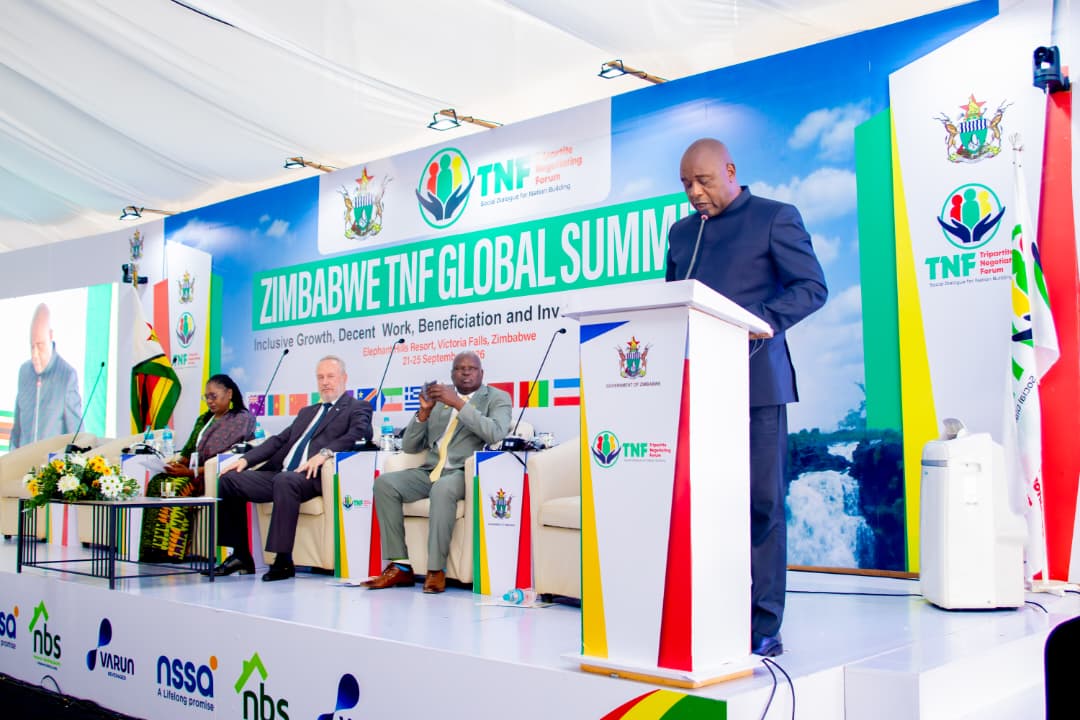
Theseus Mauruki Shambare in VICTORIA FALLS PARLIAMENT is set to scrutinise whether existing laws are adequate to protect workers and property rights as artificial intelligence (AI) rapidly transforms the workplace.…