Sidumisile Mabena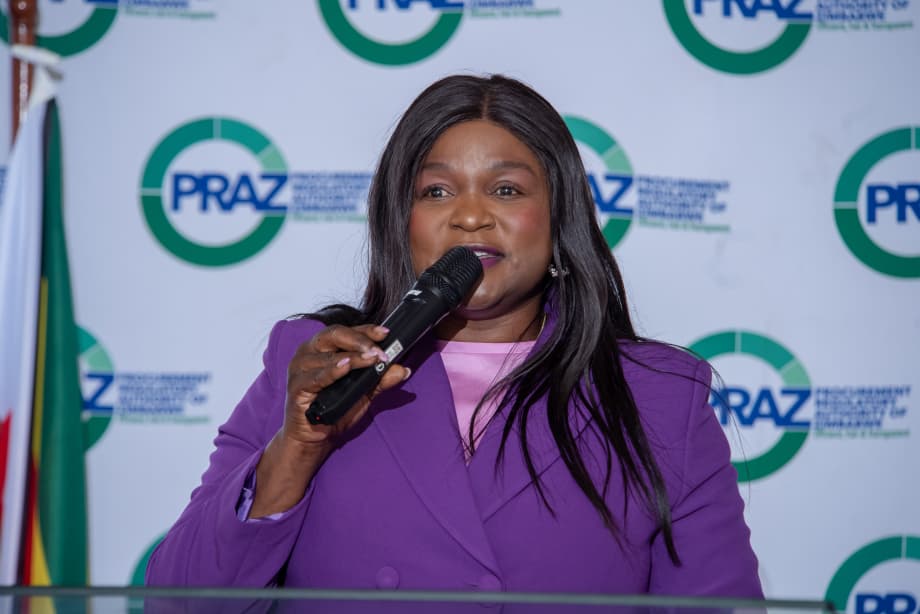
Judith Phiri in Nyanga
The Attorney General of the Republic of Zimbabwe, Honourable Mrs Virginia Mabiza, has called for procurement frameworks that ensure equal representation and support for women.
This comes at a time when, globally, women in procurement are experiencing growth in representation, holding approximately 38 to 40 percent of roles and increasingly taking up leadership positions.
In her keynote address at the Procurement Regulatory Authority of Zimbabwe (PRAZ) Women in Procurement Conference 2026 in Nyanga on Wednesday, Hon Mrs Mabiza emphasised the need to enhance procurement mechanisms while remaining vigilant against practices that hinder fairness and equity.
“In my role as Attorney General and Chairperson of the Special Procurement Oversight Committee (SPOC), I have witnessed first-hand the hurdles we face. One significant challenge lies in ensuring transparency and accountability.
“As we strive to enhance procurement mechanisms, we must remain vigilant against practices that hinder fairness and equity. Another issue that should be continuously reviewed within our procurement frameworks is the lack of equal representation and support for women,” she said.
“Despite the remarkable contributions women make, they sometimes face barriers that prevent them from advancing in leadership positions. In this regard, I wish to applaud President Mnangagwa for creating a conducive and progressive environment that has enabled greater participation of women in leadership and decision-making across Government and public institutions, including the procurement sector.”
Hon Mrs Mabiza said this commitment reflects the constitutional values of equality and non-discrimination and aligns with the national development agenda articulated in Vision 2030.
She added that through these visionary policies, more women are assuming strategic roles where critical policy and procurement decisions are made, thereby strengthening governance and enhancing accountability.
“As we work to create policies that foster an inclusive procurement environment, we must prioritise mentorship and capacity-building programmes that equip young women with the skills and confidence they need to become strong decision-makers.
“It is on this note that I commend PRAZ for coming up with Affirmative Procurement guidelines, which seek to redress the imbalances previously experienced by formerly marginalised groups in society, such as women, youths, and people with disabilities, among others.”
Hon Mrs Mabiza noted that PRAZ has taken the commendable step of reducing its annual registration fees, thereby enabling small and medium enterprises (SMEs) as well as micro-enterprises to participate more fully in public procurement.
She called on women to harness their unique perspectives and experiences as they navigate their journeys in the procurement field.
“The barriers you encounter do not define you; rather, they are a call to action for the transformative change you can create. So many opportunities lie ahead if you remain focused and do your jobs in line with the guiding principles of the Public Procurement and Disposal of Public Assets Act.
“Stand guided always and let the Act be your bible in making sure you facilitate value for money and value to society in every procurement decision made. As women, we have the responsibility to uplift one another. Together, let us dismantle the systemic challenges we face. Empowered women empower nations,” she added.
Hon Mrs Mabiza said that advocating for equitable practices and championing the voices of the underrepresented paves the way for a future where policies not only reflect diverse perspectives but also collective aspirations.
She stressed that the involvement of women in procurement policy discussions at various levels is critical, and as emerging leaders, their contributions are essential.
“Bring your ideas and solutions to the table. Challenge the status quo. Your contributions will not only enhance procurement processes but will also ensure that they align with broader goals of national importance, social equity, and economic empowerment.”


 Online Reporter