admin
admin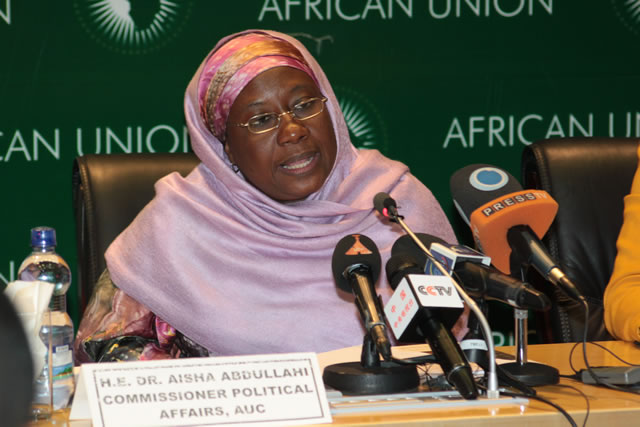

Addis Ababa. — The African Union Commission and the humanitarian community in Addis Ababa marked the 2013 World Humanitarian Day on August 19. Through the “Helping Hands” Initiative, the AUC and its partners seek to recognise the valiant efforts of African humanitarian heroes and heroines by providing a platform for illuminating their efforts.
The campaign will recognise those who have made a difference in their local, national and regional communities.
The 2013 WHD opened the floor for an open debate on the dire humanitarian situations witnessed in the Democratic Republic of Congo and the Central African Republic (CAR).
“This year, Africa is celebrating its own World Humanitarian Day. Today is a continental celebration of Africans helping their fellow Africans, in a myriad of big and small ways, often in difficult and trying situations. Multitudes across the continent are assisting their neighbours, their communities, and their countries at large.
We have much to celebrate across the continent — from organised volunteers that work with national societies, youth leaders who propose creative solutions to the problems facing their communities, communities who mobilise resources to empower themselves in times of disasters and conflicts, individuals who contribute resources, time, and support to those in need around them, and more,” said Dr Aisha Abdullahi, AUC Commissioner for Political Affairs.
Held under the auspices of the 391th Meeting of the Peace and Security Council, the 2013 WHD focused on the dire humanitarian situations witnessed in the DRC and the CAR. In addition to assessing current humanitarian and political landscapes, key presentations by the PSC chairperson, United Nations Representative to the AU and the International Security Studies (ISS) highlighted the urgent need to implement mechanisms to re-enforce the protection of civilians in the two countries.
Various partner organisations such as the International Committee of the Red Cross (ICRC), United Nations High Commissioner on Refugees (UNHCR), OXFAM, Médecins Sans Frontières (MSF), the International Organisation for Migration (IOM) and Save The Children made specific recommendations on ways to address the situations through strengthening aid, providing infrastructure, increasing security of target groups such as women and children, alleviating malnutrition and human displacement as well as allowing proper access to health workers in conflict areas, amongst others, laying the foundation for further deliberations and discussions.
“Helping Hands” speaks to the African tradition and humanist philosophy of ubuntu — that one is because of others, and that responding to distress is not a duty but the natural reaction of human beings. Helping Hands will showcase stories and projects by Africans and the African Diaspora that have made great impact in their communities.
It is an opportunity to give Africans the chance to tell their story — not only to raise awareness about the great humanitarian work that they have been doing to uplift communities but also to inspire future generations to emulate innovative and exciting approaches to making a difference.
“Join me today in acknowledging and celebrating all those among us, the many helping hands, on this great continent who are present and active during its times of need and difficult — making a difference and building resilient communities, countries, and continent.
“Over the next month, you will have the opportunity to see, hear, and experience the stories of our laudable fellow Africans. Celebrate them, emulate them, support them!” added Dr Aisha Abdullahi in her message. — African Union Commission.


 Online Reporter