

 admin
admin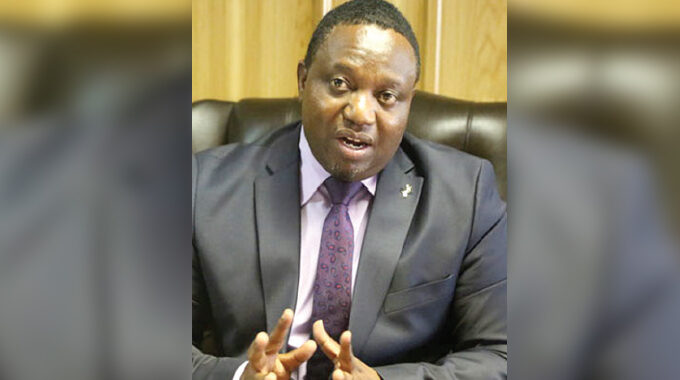
Ellina Mhlanga
ACTING Minister of Sport, Recreation, Arts and Culture Kazembe Kazembe has urged the African Union Sports Council (AUSC) Region Five to continue striving for excellence.
Kazembe was speaking at the official opening of the AUSC Region Five Board of Advisors meeting at the HICC, yesterday.
The meeting is running until today.
“Let me applaud the African Union Sports Council Region Five for successfully organising regional championships that have not only provided a platform for our athletes to showcase their talents but have also fostered camaraderie among our nation.
“However, while we celebrate these achievements, we must remain grounded and recognise the work that still lies ahead.
“We must continue to strive for sporting excellence and ensure that the momentum we have built does not wane,” said Kazembe.
“As we look towards the future, it is imperative that we confront the challenges that hinder our progress.
“As a region, we are faced with common issues that range from access to sports facilities, adequate funding and effective governance, which collectively requires our immediate attention.
“In this spirit of collaboration, I urge all of us to explore strategic areas of collaboration beyond our borders. The challenges we face are not unique to any one country; they are regional in nature and require a unified response.”
Kazembe also spoke on the need for inclusivity and addressing the need for sustainable funding mechanisms that support not only elite athletes but also grassroots programmes.
The region is working towards ensuring that sport contributes towards socio-economic transformation.
AUSC Region Five Board of Advisors chairperson, Erastus Haitengela, said sport must provide solutions to society’s challenges.
“The need for us to seriously create conversations around the industrialisation of sport can never be over-emphasised.
“We are duty-bound to unpack the commercial value of sport and invest in the value chains inherent in the industry for the benefit of our nations’ socio-economic transformation.
“Our sport must indeed provide solutions to society’s challenges and produce economic, educational, health and tourism benefits, among others,” said Haitengela.
Permanent Secretary in the Ministry of Sport, Recreation, Arts and Culture Nicholas Moyo said through collective efforts, the Region can utilise the power of sport in various areas.
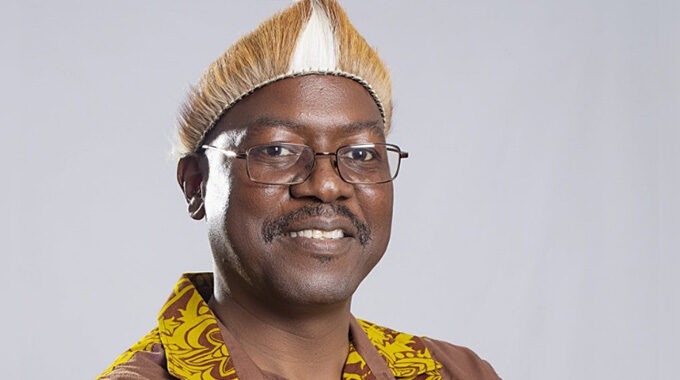
“The importance of sports in our region cannot be understated. The African Union Sports Council Region Five is a critical platform for collaboration, innovation and growth in our sports sector.
“Through our combined efforts, we can harness the power of sports to drive social cohesion, economic development and improved well-being for our citizens.
“Our collective strength lies in our ability to unite and work towards a common goal,” said Moyo.
The Board of Advisors is made up of the region’s 10-member countries’ Permanent Secretaries in the Sports Ministries.
The 10-member countries are Angola, Botswana, Eswatini, Lesotho, Malawi, Mozambique, Namibia, South Africa, Zambia and Zimbabwe.
And out of the 10 countries, eight Permanent Secretaries are in the country.
Prior to yesterday, there were several meetings held by the AUSC Region Five’s various committees and commissions deliberating on issues to do with sport development.
These included the Women in Sport and Sport for People with Disabilities Committees building up to yesterday’s Board of Advisors meeting.
Other key members that were present at the opening ceremony include AUSC Region Five chairperson of Committee of Experts Jo-Ann Manuel, chief executive officer Stanley Mutoya and sports directors, among other dignitaries.
Sports and Recreation Commission chairperson Gerald Mlotshwa, was also attended.
Other activities that took place this week, include a stakeholders engagement meeting held on Tuesday.
It was organised by the AUSC Region Five in collaboration with the Sport, Recreation, Arts and Culture Ministry and it provided a platform for interaction with the former sharing history and the structure of the organisation as well as programmes and projects they run.
The meeting attracted 160 participants including local representatives from national sport associations, former and current administrators and athletes, among other stakeholders.


 Online Reporter