Online Reporter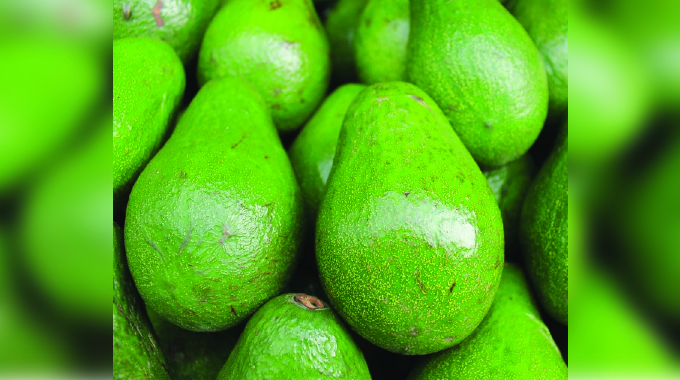
Tichaona Zindoga
Zimbabwe’s diversified agriculture group, Tanganda Tea Company is turning over a new leaf. The company recently reported that it is keen to tap into the Chinese avocado market as it diversifies its exports to increase earnings, following an increase in avocado export volumes, as the avocado fruit was primarily exported to the European markets last year.
Looking East could unlock more value and turn Zimbabwe’s avocado into green gold following an agreement between Zimbabwe and China, as the Asian giant continues to open its market to agricultural produce from Africa.
A recent media article quotes Tanganda as saying: “Going forward, following the signing of a trade agreement between China and Zimbabwe in September 2024 at the Forum on China and Africa Cooperation (FOCAC) in Beijing, the Company expects to diversify its markets into China.
“This is expected to maximise avocado exports in the early parts of the harvesting season and reduce reliance on the European markets.
“Avocado production of 3 976 tonnes grew by 84 percent over the prior year’s production of 2 156 tonnes due to the increased maturity profile of the plantations.”
Framework
While FOCAC laid a solid multilateral framework for allowing more African produce, Zimbabwe and China had already taken steps to incorporate avocado into the export basket, adding to citrus; and prospects for other crops such as blueberry and macadamia, some of Zimbabwe’s hottest, nay, coolest, products on the market.
In 2024, during President Mnangagwa’s visit to China, the two sides signed the protocol for phytosanitary requirements for the export of Zimbabwean avocados to China. The protocol was one of the 17 agreements signed between China and Zimbabwe.
The development was welcomed by Zimbabwean stakeholders with the Chief Executive Officer of the Horticultural Development Council Linda Nielsen saying in a statement that the protocol presented the potential for avocado growers in Zimbabwe to expand their reach into one of the world’s largest avocado markets.
The statement said: “The signing of this protocol delivers a significant opportunity for Zimbabwe to take advantage of the vast Chinese market. This will require strategic intent to meet the strict requirements of the Chinese market. Horticulture producers are ready to discuss investment requirements.”
It stated that Zimbabwe was projected to produce a record 6 000 tonnes of avocados in 2024 and the avocado industry is planning to increase the growing area from 1 500 hectares to 4 000 hectares by 2030.
“This growth is a critical component of the Horticulture Recovery and Growth Plan, which aims to develop the horticulture sector into a US$1 billion industry. Reaching this target will require supportive policies that attract investment to ramp up production,” Nielsen said.
Further, HDC is working with stakeholders to pursue similar protocols for blueberries, pecans and macadamia nuts for the Chinese market.
African perspective
Where does Zimbabwe stand?
The country is likely to make rich pickings should it penetrate the Chinese market, and follow other African countries that have successfully executed similar agreements with the Asian giant.
Last year, South Africa — which produces the Hass avocado variety — made its first avocado export to China. According to an industry overview, South Africa’s average annual production is 146 600 tonnes of which 45 percent is exported fresh, mainly to Europe and the United Kingdom. On the other hand, Kenya, another country that has been allowed into China is a major global avocado producer, ranking sixth with a production of 633 000 tonnes in 2023. Its exports were seen rising on the back of trade with China.
Other African countries that are major producers of the crop include Morocco, Burundi and Mozambique — and all these have to contend with competition from other parts of the world including Peru, Chile,
New Zealand and Mexico.
The success of African avocado exports to China depends on factors such as product quality, competitive pricing and effective marketing strategies. While South Africa is well-positioned to capitalise on the Chinese market, Kenya faces challenges related to product quality and competition. Other African nations are still in the early stages of exploring export opportunities.
Conditions and requirements
Phytosanitary requirements are defined as the regulations set by a country to ensure that plants and plant products being imported meet specific standards regarding pest and disease freedom, essentially meaning they must be inspected and certified as free from harmful organisms before being allowed entry, typically requiring a phytosanitary certificate to verify compliance; “phyto” meaning plant and “sanitary” meaning clean or free from disease.
As such, Zimbabwe needs to satisfy a number of conditions to be able to ensure avocado export success with China.
These include, ensuring quality standards and consistency, certification and compliance to ensure that its products are recognised as meeting international quality standards. Ensuring compliance with China’s specific agricultural and phytosanitary.
At the same time for Zimbabwe to compete, it must “up its game” through investment to ensure steady supply and quality. It is also considered that smallholder farmers could also play a crucial role as “outgrowers” or key members of the supply chain and will thus require training and assistance on best practices in avocado cultivation, harvesting, and post-harvest handling is essential for increasing productivity and quality.
Farmers are also urged to incorporate sustainable agricultural practices which will help ensure the long-term viability of avocado farming while also appealing to environmentally conscious consumers.
At the same time key stakeholders and policymakers will need to support farmers or export business through investment in export infrastructure that includes cold chain logistics to ensure that avocados reach China in good condition, including ensuring proper refrigeration during transportation, warehousing, and packaging; strengthening trade relationships with Chinese importers and facilitating the export process; establishing partnerships with Chinese importers and distributors; and marketing the
Zimbabwe brand strongly, including on Chinese social media, among other measures.
A large company like Tanganda will unlikely face challenges with meeting these conditions. However, new players need to be supported to ensure their full participation and benefits.