Online Reporter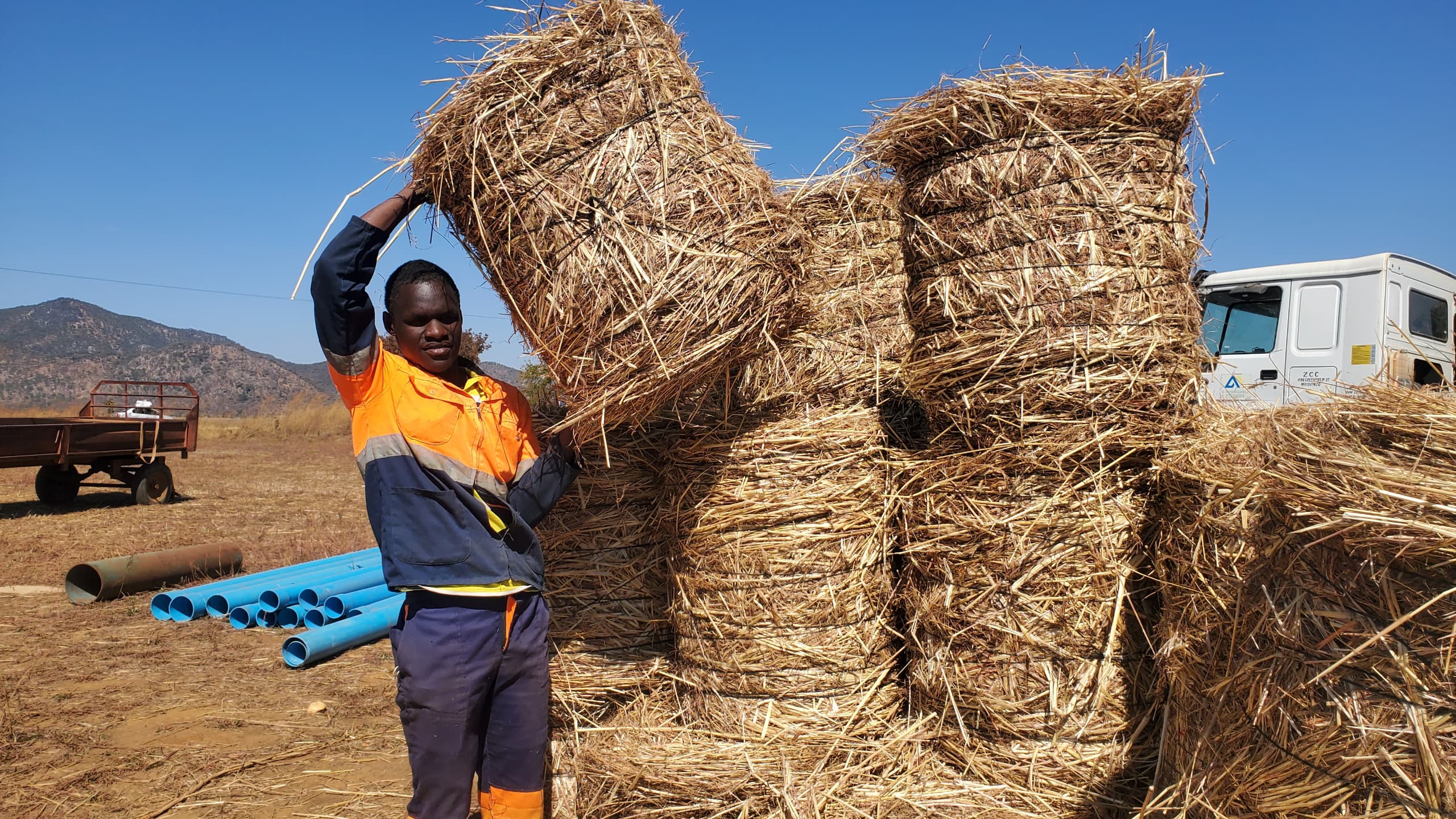
Theseus Shambare
Herald Reporter
FARMERS must accelerate cutting and baling hay to preserve livestock feed and protect the environment instead of burning it as Zimbabwe enters the peak of the annual fire season.
The official fire season runs from July 31 to October 31 — the driest period of the year when vegetation becomes highly flammable.
The Environmental Management Agency (EMA) warned that the late fire season — from September to October — is the most dangerous, as rising temperatures, strong winds and low humidity make veld fires spread faster and burn hotter.
In an interview, Lands, Agriculture, Fisheries, Water and Rural Development Permanent Secretary Professor Obert Jiri said cutting grass serves two critical purposes — providing supplementary livestock feed and reducing fire fuel loads, thereby preventing runaway veld fires.
“Bale it, do not burn it. Every stalk of grass or stover you destroy by fire is feed you are taking away from your animals in the dry season,” he told The Sunday Mail.
“By cutting and baling grass, you are also removing the dry matter that fuels veld fires, so it is a double benefit.”
Prof Jiri also urged wheat farmers to construct effective fireguards around their fields to safeguard this season’s crop.
“We are in the middle of the wheat season and one veld fire can wipe out hundreds of hectares in hours,” he said.
“I urge every wheat farmer to construct fireguards as required by law and maintain them properly.
“We have in the past lost wheat worth over US$800 000 to veld fires — we cannot afford such losses again.”
Zimbabwe’s wheat sector continues to build momentum. Following the record 468 000 tonnes harvested in 2023, production reached 560 000 tonnes in 2024, harvested from nearly 120 000 hectares—well above the national requirement of 360 000 tonnes.
Wheat output in 2025 is projected to reach 600,000 tonnes as cultivation expands and yields improve under Government support.
While officials celebrate this success, fire protection during the current season remains critical.
Zimbabwe’s national cattle herd—currently estimated at 5,5 million—is targeted to grow to 12 million, contingent on sufficient feed through lean periods. Baled hay stored early in the season is a strategic buffer.
Uncontrolled veld fires continue to destroy thousands of hectares of grazing and cropland each year. Some outbreaks have been traced to deliberate stubble burning by farmers.
Prof Jiri said his ministry, in collaboration with EMA and Agribusiness Advisors (formerly Agritex officers), will intensify farmer training in hay baling, silage making and safe fire management.
“We have the equipment through mechanisation programmes and we encourage farmers to make use of it. We must change our mindset — burning is destruction, baling is production,” he said.
EMA has urged communities to form fire‑fighting teams, create fireguards, and report all veld fire outbreaks promptly.



 Online Reporter