Innocent Kurira, [email protected]
THE music never stopped at Queens Sports Club.
Neither did the debate.
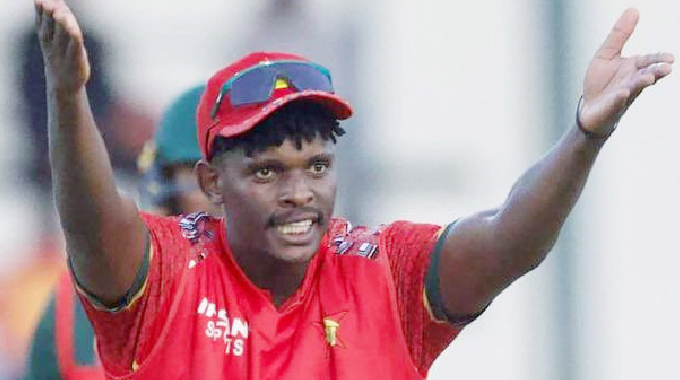
Days after Zimbabwe captain Richard Ngarava’s on-field plea for The Bigger Picture Brass Band to stop playing during the second One-Day International against Bangladesh sparked widespread discussion, the conversation followed the Chevrons to Bulawayo for the opening T20 International.
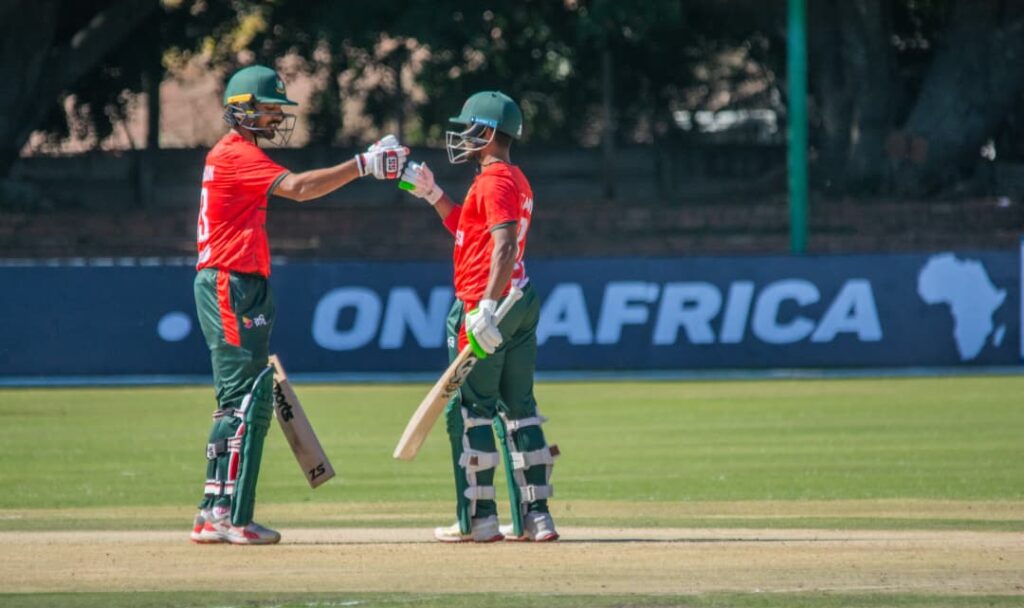
It was no longer just about what happened in Harare.
It had become a debate about the kind of atmosphere Zimbabwean cricket wants to create.
Around Queens Sports Club, opinions flowed as freely as the songs. While some supporters argued the band should take a back seat while play is in progress, others danced, sang and insisted the lively atmosphere is exactly what makes watching cricket in Zimbabwe unique.

The incident itself has since been difused, with Ngarava and band leader Paul Mungofa urging supporters to move on and unite behind the national team. Yet among fans, the discussion continues.
Veteran sports journalist Brian Goredema believes the conversation should focus less on whether the band belongs at cricket and more on how it can complement the game.
“As a people, we are majoring in the minors. The question is, what has Zimbabwe Cricket managed to do to attract all kinds of supporters to the ground? Is there support that we want and support that we don’t want?” he said.
“If you watched the first T20I at Queens Sports Club, the band and the fans were playing in harmony. Those who were singing were singing and the band was providing the instruments for the songs.”
Goredema believes the solution lies in timing rather than banning the band altogether.
“Maybe the band is supposed to play when Zimbabwe is batting and when Zimbabwe is fielding, they have to choose the phases when they can play. The band leader must understand the flow of the game, when to raise the tempo and when to allow the crowd to applaud individual performances.”
Former first-class cricketer and Ekhaya-Ekasi Cricket Initiative director Dumisani Mankunzini agrees that the brass band adds colour to the match-day experience but feels there should be limits.
“The band is okay during intervals. When play is on, it’s a big disturbance because when the batter nicks, it becomes very difficult for the umpires to hear it, even the players themselves. So the band is not good when the match is on.”
One long-time cricket follower, who requested anonymity, struck a more balanced tone.
“I think it’s a bit too loud during games and may affect the proceedings of the match. But, funny enough, some touring teams actually enjoy it. All in all, I think they need to tone it down.”
At Queens Sports Club, ordinary supporters were equally split.
“I come to cricket because it feels different from other sports,” said Llyod Chikomo.
“The music, the singing and the dancing create an atmosphere you don’t find anywhere else. We shouldn’t lose that because of one incident.”
Another fan, Nomsa Moyo, felt compromise was the best way forward.
“I love the band because it brings life to the stadium, but they also need to read the game. There are moments when everyone wants to hear the sound of the bat or simply appreciate a wicket in silence.”
For Tapiwa Dube, the answer is simple.
“Nobody is saying the band must disappear. We just need balance. Let the cricket remain the main event and let the music add to the experience, not compete with it.”
As Zimbabwe Cricket continues its push to attract new audiences, the brass band has become part of the match-day
identity, turning cricket into a festival as much as a sporting contest.
Whether the instruments should fall silent while the ball is in play remains open to debate.
One thing, however, was clear in Bulawayo.
Long after Ngarava and Mungofa called for unity, the conversation among supporters is still playing to a full house.