Online Reporter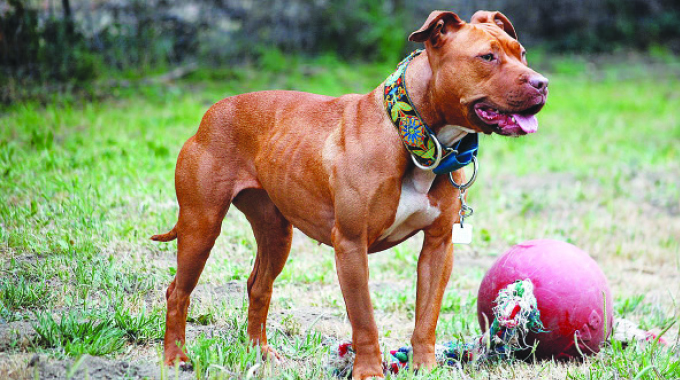
THE recent call to ban pitbulls in Zimbabwe has unleashed a storm of opinions. On one hand, frightened citizens demand action after terrifying attacks.
On the other, dog lovers are defending their four-legged companions, claiming the problem lies not in the breed, but in the leash-holding human behind it.
So, should Zimbabwe follow countries like the UK and parts of Australia that have outlawed pitbulls? Or are we punishing the wrong species?
There’s no denying pitbulls have made headlines for the wrong reasons. Just last month, a pitbull in Harare mauled a nine-year-old boy, sparking fear and outrage.
In Bulawayo, an elderly man had to be hospitalised after being attacked by a neighbour’s dog. These are not isolated incidents. Social media is flooded with photos of ripped trousers, bruised limbs, and terrified children, all victims of pitbulls.
Those calling for a ban argue that pitbulls are genetically wired for aggression.
Originally bred for bull-baiting and dog fighting, these animals have jaw strength and tenacity that make them particularly dangerous when they attack.
Unlike most dogs, pitbulls don’t just bite, they hold on and shake.
This makes their attacks more severe and harder to escape. In the wrong hands, they become deadly weapons.
In countries like the UK, pitbulls are banned under the Dangerous Dogs Act. Advocates for a Zimbabwean ban say we should not wait for a fatality before acting.
But not so fast. While the breed has an aggressive reputation, many experts and owners argue that it’s not about the dog, it’s about the owner.
A pitbull raised in a loving, disciplined, and social environment can be just as safe and affectionate as any labrador.
“Blaming the dog is lazy,” says Mduduzi Moyo, a Bulawayo dog trainer.
“The issue is how people raise and handle them. An untrained German shepherd or boerboel can be just as dangerous, yet no one’s calling for those to be banned.”
Pitbull defenders say that banning the breed would unfairly punish responsible owners who go the extra mile to train, leash, and love their dogs.
Instead of a blanket ban, they’re calling for stricter dog ownership laws: mandatory training for powerful breeds, secure fencing, muzzling in public spaces, and tougher penalties for negligent owners.
In Zimbabwe, there is no national dog registry or dog licensing system. Anyone can own a pitbull, even a reckless 19-year-old who can barely feed himself, let alone control a 40kg ball of muscle and instinct.
Too many people keep these dogs as status symbols or backyard security, with zero effort to train or socialise them. The result? Ticking time bombs.
“The real danger isn’t the dog, it’s the clueless human behind it,” says vet Dr Nyasha Mukonoweshuro.
“You can’t own a powerful dog and be passive. You have to be active, consistent, and responsible.”
A total ban might ease public fear but would also stir backlash from responsible owners and animal rights activists. It’s a blunt tool for a sharp problem. What Zimbabwe needs is a national dog policy, one that addresses licensing, training, and accountability.
Pitbulls are not teddy bears. But they’re also not monsters. Like any breed, they reflect the discipline, love or neglect of the hands that raise them.
Ban the dog or blame the owner? Maybe it’s time we stop pointing fingers and start fixing the system.
Until then, the debate rages on. Just like the bark after dark.