admin
admin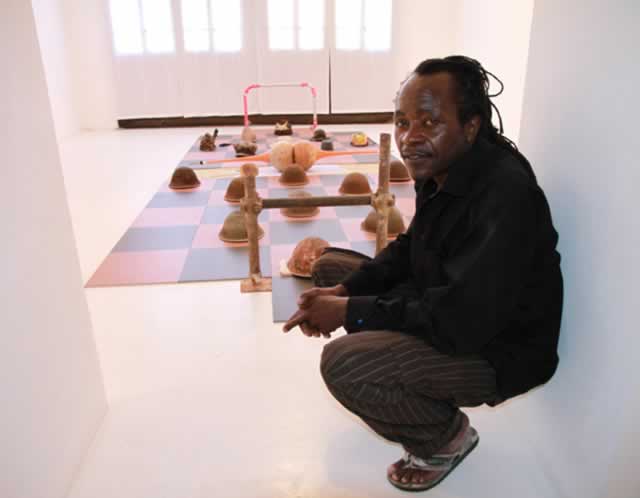
Sifelani Tsiko Entertainment Reporter
The second edition of the “Basket Case II” weavers’ exhibition opened at the National Gallery of Zimbabwe in Harare amid high hopes that the comprehensive and beautiful showcase will raise the visibility of the country’s rural visual arts and open market opportunities on the international scene.
Scores of art lovers thronged the gallery to witness the opening of the basket showcase which has attracted women from across the country’s provinces.
Opening the exhibition, Sport, Arts and Culture deputy minister Tabetha Kanengoni – Malinga said the basket showpiece was a milestone in many ways and celebrated the formidable imagination, skill and artistic rigour embedded in Zimbabwean basket art forms.
“First, this exhibition is an opportunity to reiterate our willingness as the Government of Zimbabwe to continue working with the diplomatic community, multilateral agencies and other stakeholders in the private sector to strengthen vulnerable communities’ resilience,” she said.
“Secondly, the exhibition, offers us a platform to celebrate the diversity and beauty of the material culture of our communities which has survived against all odds since time immemorial.”
She hailed EUNIC Partners and National Gallery for raising the profile of the country’s skilled basket weavers and linking them to the world of art.
“Through the creation of market linkages for their products, EUNIC Partners and the National Gallery of Zimbabwe are playing a significant role in eradicating hunger and poverty, enhancing food security and improving livelihoods,” Deputy Minister Kanengoni – Malinga said. Speaking at the same occasion, European Union Head of Delegation to Zimbabwe Ambassador Phillippe Van Damme said culture and access to culture was crucial for social and human development.
“Culture contributes to identity – building and self-esteem, culture fosters social cohesion and it helps promote political participation and ownership,” he said.
Ambassador Van Damme said art was a powerful weapon for fostering a democratic culture that promotes freedom of expression, identity development, empowerment of minority groups and women, national healing and reconciliation.
“As Nelson Mandela reminded once, “When all avenues of legitimate protest were closed by emergency legislation, it was arts that articulated the plight and the democratic aspirations of our people,” he said. “Culture is and should therefore remain an essential component of EU’s development cooperation with Zimbabwe.”
He said basket weaving art forms should transcend beyond economic and trade value to bridging the artificial divide between so-called “low” and “high” art.
The EU diplomat said the basket case visual art and design weaving project was an innovative way of empowering women and promoting entrepreneurship through cultural exchange to enhance self-sufficiency, food security and improved livelihoods.
The exhibition co-curated by Christine Eyene and Raphael Chikukwa is running under the theme: “A Collective Experience: Beautiful and Timeless.”
It has brought together skilled basket weavers from Binga, Bulawayo, Lupane, Honde Valley and Masvingo and offered them a platform to collaborate with renowned African and European artists.
Artists collaborating with the weavers included Ifeoma Anyaeji (Nigeria), Alexandra Bircken (Germany), Delaine Lebas (UK), Michel Paysant (France) and Tapfuma Gutsa (Zimbabwe).
Rural basket weavers were upbeat that collaboration will help them to produce arts and crafts to the highest artistic standards.
Some said the exhibition has enabled them to appreciate and benchmark on the skills of their peers on the continent and beyond.
They said it offered a vital foundation for entrenching the culture of professional practice in the visual arts as well as exposing local artists for purposes of cultural exchange and networking.
“This showcase has revealed diverse talents on basket productions and tapestry,” said Munyaradzi Vheremu, an art enthusiast.
“It is a testimony of how the country’s visual arts industry is growing and maturing.
“It will help craftsmen to market their wares in order to earn a living, create employment opportunities and diversify livelihood options for rural women.”


 Online Reporter